Swap gravy for marinara to give roast beef a tangy, savory edge, then build on the sauce with roast juices, herbs or Italian-inspired additions.
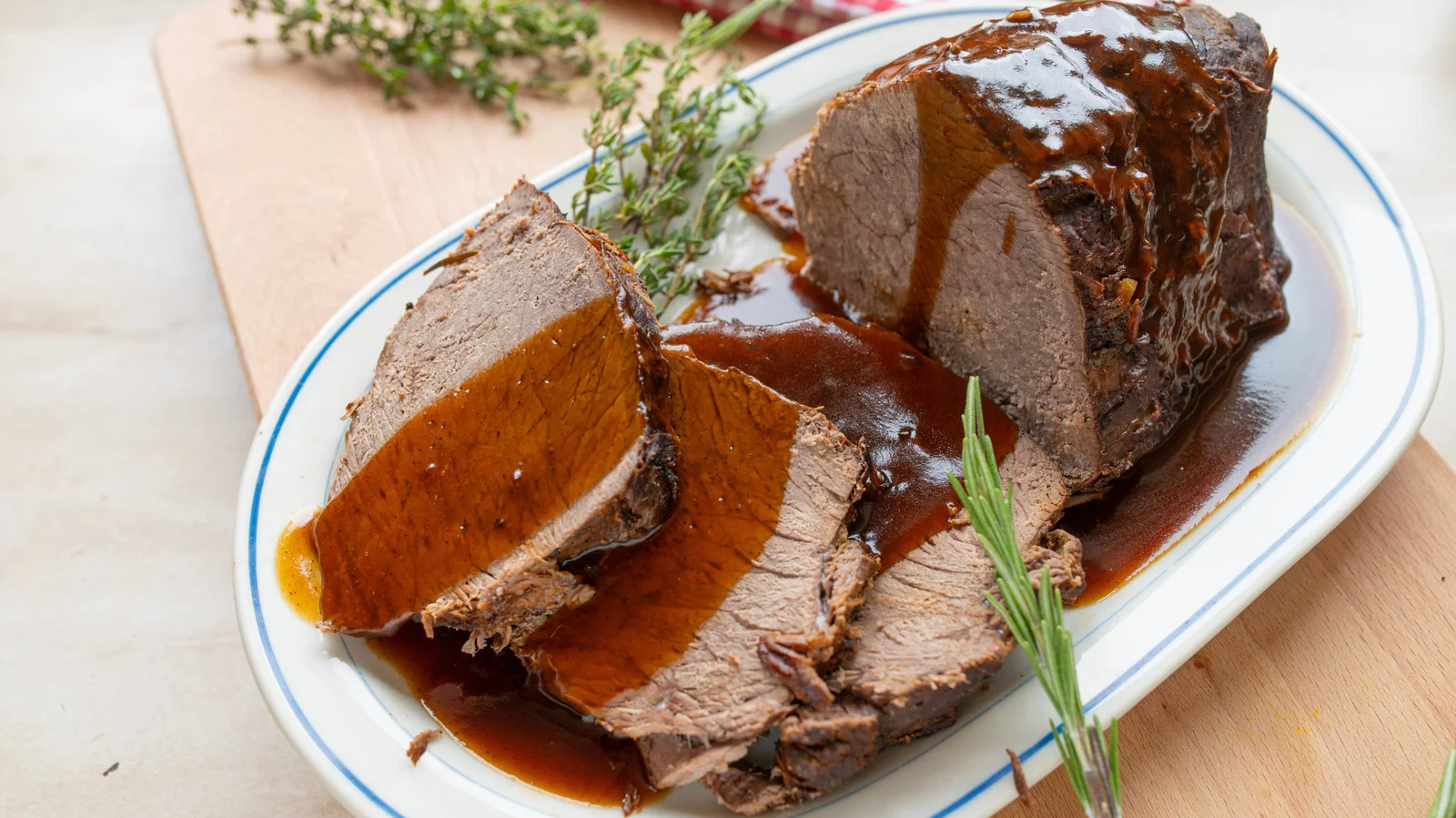
Marinara gives roast beef a sharper, brighter finish than gravy, and the swap takes little effort. Tomato acidity cuts through the richness of the meat, while simmering lets the sauce deepen in flavor. It’s a simple pantry change that nudges a familiar roast toward Italian-style comfort food, without asking you to rethink the whole meal. The result sits between two familiar ideas: the slow-cooked comfort of a traditional roast and the tomato-forward character of an Italian braise.
That shift matters because roast beef can be rich and savory enough to make a plate feel heavy, especially when it’s served with its usual drippings. Marinara changes the balance. Its acidity brings contrast, and its cooked tomato flavor gives the meat a new frame without masking it. The sauce won’t taste like gravy, and that’s the point. You’re making a modest change in direction, not trying to disguise one dish as another.
Make the swap without changing the roast
Keep the usual roast vegetables: onions, carrots and celery already fit naturally with tomato sauce. While the beef finishes cooking, warm a jar of store-bought marinara. Stir in some of the roasting juices for extra depth, or add fresh garlic and dried herbs. Slice the beef and spoon the sauce over it as you would gravy.
The order keeps the cooking practical. The roast can follow its familiar routine, while the sauce warms separately and takes on a little of the flavor left in the pan. Add the roasting juices gradually; they’re concentrated, and the aim is to deepen the marinara rather than turn it into a thin pan sauce. If the sauce is already well seasoned, taste before adding herbs or garlic. A jarred marinara can vary in seasoning and texture, so small adjustments are easier to control than a handful of additions all at once.
There’s no need to simmer the beef in the sauce if it’s already cooked to your liking. Spoon the warm marinara over sliced meat, or serve it alongside so people can choose how much they want. That keeps the roast’s texture at the center of the plate and lets the sauce act as a complement. It’s a useful distinction: a roast with marinara still reads as roast beef, even as the flavors point somewhere different.
Build on the stracotto tradition
Beef cooked with tomato sauce has a close Italian relative in stracotto, a pot roast built on soffritto: finely chopped carrots, onions and celery that soften into a thick sauce base. Pancetta adds salty depth, and red wine brings complexity. Stracotto is typically shredded rather than served in slices, but its ingredients can still enrich a quick marinara. Add one or more as the sauce simmers alongside the roast.
The useful connection is the way these ingredients build flavor in layers. Carrots, onions and celery become softer and sweeter as they cook, while tomato supplies acidity and a savory base. Pancetta and red wine can add further depth, but they’re optional additions rather than requirements for making the shortcut work. If you have them on hand, they can move the sauce closer to the character of a longer-cooked braise. If you don’t, the marinara and roasting juices are enough to establish the idea.
Here's the thing: stracotto is a reference point, not a strict template. A traditional pot roast cooked with tomato sauce has time for its ingredients to meld, while a jar of marinara warmed during the last part of a roast’s cooking has less time to develop. You can account for that by letting the sauce simmer gently while the beef rests, then adjusting it to taste. (And this is the part most people overlook: resting the meat gives you a window to finish the sauce without rushing the slicing.)
Choose sides that balance the sauce
Mashed potatoes keep the meal familiar. Creamy polenta makes a natural Italian-inspired pairing, while risotto offers a richer side if you have time for the extra work. For something lighter, serve the beef with arugula salad or roasted broccolini. Their mild bitterness offsets the savory meat and tomato sauce without competing with either.
The choice changes the feel of the meal. Potatoes make the tomato sauce part of a recognizable roast dinner, while polenta echoes the Italian direction of the marinara and provides a soft base for the sauce. Risotto can make the plate more substantial, so it’s best suited to a meal where you’re willing to put in the extra time. Greens bring relief from the richer elements. You don’t need every option on the table; one side that soaks up sauce or one that adds a fresh, bitter note is enough.
If you're cooking for people who expect gravy with roast beef, serving the marinara on the side can make the change easier to try. It gives the dish room to be familiar and different at once. A little sauce over the meat, a spoonful beside the potatoes, or more over polenta: each keeps the central idea intact while letting diners set their own balance.
What the change brings to the plate
The appeal is in how little the meal needs to change: keep the roast and its vegetables, then let marinara bring acidity and a different kind of depth to the plate.
This is more significant than it looks for a practical reason: it changes the flavor profile without requiring a new cooking method. The roast still does the work, and the sauce can be adjusted while the meat rests. The numbers here are underwhelming in the best sense—there’s no long ingredient list or elaborate technique to master. Just a different sauce, warmed and seasoned to suit the meat.
That said, marinara won’t behave exactly like gravy. It’s more assertive, and its acidity will remain noticeable even when the roasting juices round it out. If you prefer the roast’s flavor to stay dominant, use a lighter hand; if you want the tomato to lead, serve extra at the table. A familiar dinner, with a clear change in emphasis. If you're working in this space between weeknight convenience and slow-cooked flavor, that’s a useful kind of flexibility.


Discussion
Sign in to join the discussion.