Fresh onion juice can help lift light surface rust from a knife. Learn how to use it, where it falls short and why carbon steel needs quick drying.
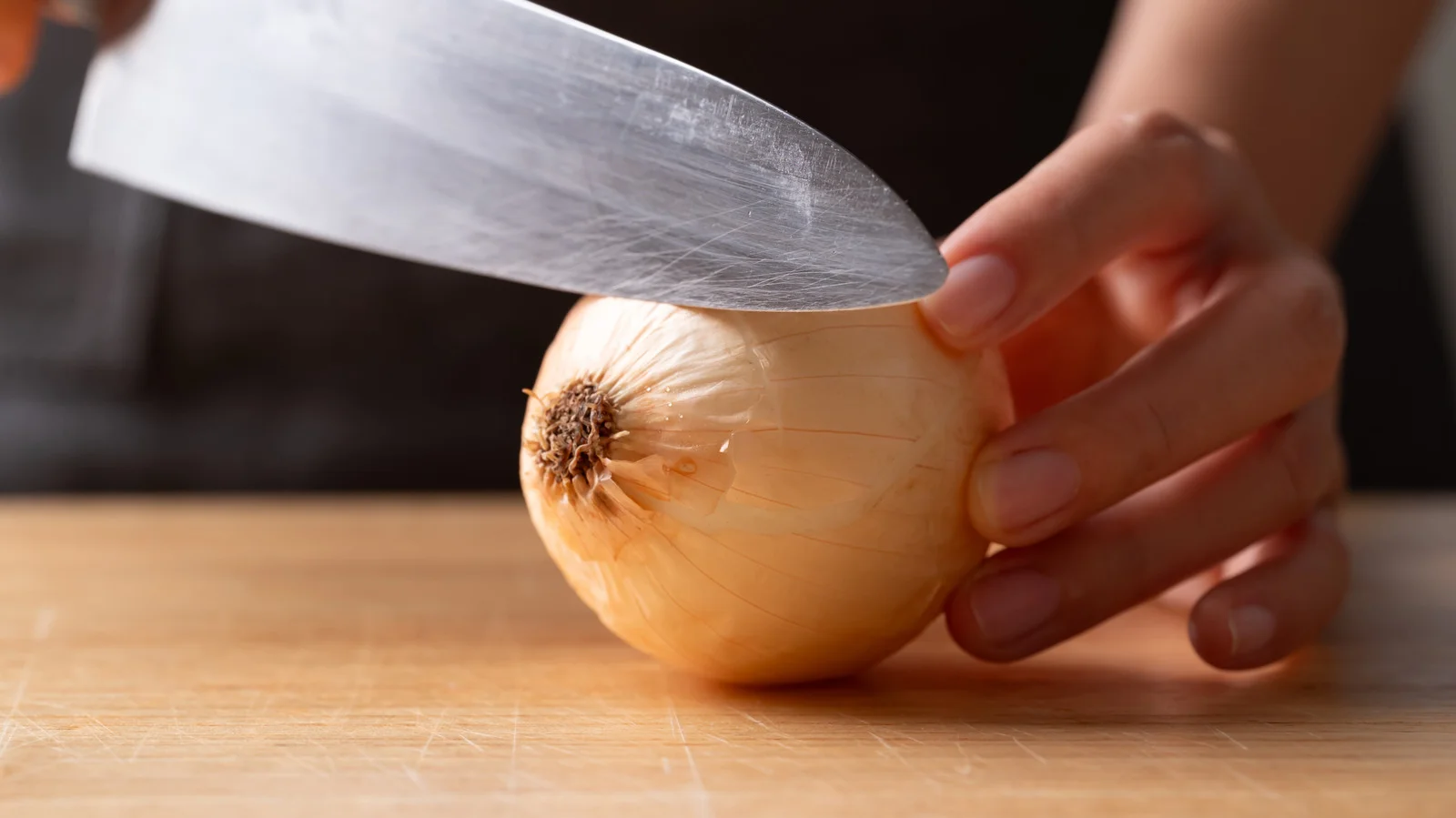
A few orange spots on a kitchen knife don’t always call for a specialist. Fresh onion may help loosen light surface rust, offering a simple first step with ingredients already in many kitchens. But the method has limits: it can’t undo damage that has reached deeper into the steel, and the kind of steel affects how carefully you’ll need to clean and protect the blade afterward.
Why onion juice can help
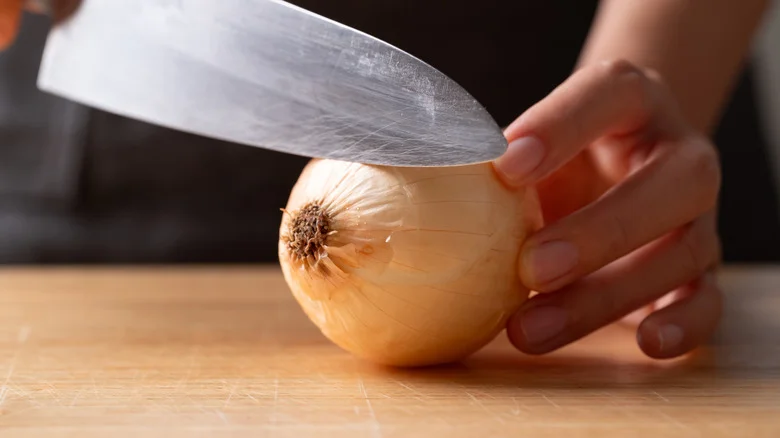
Cutting an onion releases sulfenic acid, which can react with rust and help loosen it from the blade’s surface. Mild organic acids in the juice, including citric and malic acid, may contribute as well. The effect is modest: onion isn’t a purpose-made rust remover, and its usefulness depends on the corrosion being shallow enough for the juice to reach.
The onion also offers a little physical abrasion. Its fibrous flesh can rub against a spot as you work the blade across it, helping lift loosened residue. That combination of juice and gentle scrubbing is the method’s appeal. It’s accessible, but it won’t turn a badly corroded knife back into a sound one.
How to apply it
There are several ways to get onion juice onto a small rusty patch. You can rub the cut face of an onion over the spot, move the blade back and forth into the onion, or press the knife into it several times. In each case, the juice needs to contact the rust directly; a quick pass over an unaffected part of the blade won’t do much.
For a longer treatment, lay the knife on a cutting board, rub onion juice over the affected area and leave it for up to 24 hours before washing. This gives the juice more time to act, though it doesn’t guarantee that a stubborn spot will come off. Check the blade after cleaning rather than assuming that a long soak has fixed the problem. And don’t leave the knife where someone might handle it by mistake.
Choose the right onion and know the limits
Use an onion that’s fresh and firm. Older onions tend to lose moisture and soften, so they provide less juice and offer less scrubbing action. After treatment, wash the blade and dry it thoroughly; moisture left on the steel can invite rust to return. Discard the onion, and don’t put one flecked with rust into food.
This method is suited to small patches of surface rust, such as spots that appear after a knife sits in a damp dish rack. It won’t reverse deep corrosion, flaky rust or pitting, where rust has eaten into the steel. That distinction matters: discoloration on the surface may respond to cleaning, while pits signal physical damage to the blade. A rust eraser may help with more stubborn buildup; a badly damaged blade may need attention from a professional sharpener or replacement. Some signs can indicate a knife is due for replacement.
Here’s the thing: onion is best treated as a low-cost first try, not a repair strategy for every rusty knife. If you're working with a blade that has visible pits or loose flakes, the underlying steel may already be compromised. A cleaner-looking surface doesn’t necessarily mean that damage has disappeared.
Take extra care with carbon steel
Carbon steel reacts readily with acids, including those in onion juice. Wash and dry this type of blade immediately after treatment, and consider applying oil to help protect it. The cleanup matters as much as the rust removal: leaving acidic juice on the steel can contribute to discoloration, while moisture creates conditions for more rust.
Repeated exposure can also contribute to a blue-gray patina, a harmless layer of oxidized metal that can help protect the blade from further rust. That patina is different from the orange corrosion the onion treatment is meant to address. The distinction can be useful when you’re inspecting a carbon steel knife, though the appearance alone doesn’t replace cleaning and drying after use. Carbon steel blades benefit from careful cleaning during use.
What this means for knife care
This is more significant than it looks: the onion trick points to a basic maintenance rule, not a special kitchen hack. Rust often reflects contact with moisture and too little drying, so the lasting fix is to change how the knife is stored and cleaned. After washing, dry the blade before putting it away, especially if it’s carbon steel.
For a small spot, onion may be a reasonable first attempt. If it doesn’t clear the rust, or the steel is pitted and flaking, move to a tool suited to the problem or seek a professional assessment. A simple remedy, with a narrow job.



Discussion
Sign in to join the discussion.