Layer frozen potstickers over seasoned rice and vegetables for a filling casserole, then tailor the flavors to Chinese, Korean or Thai dumplings.
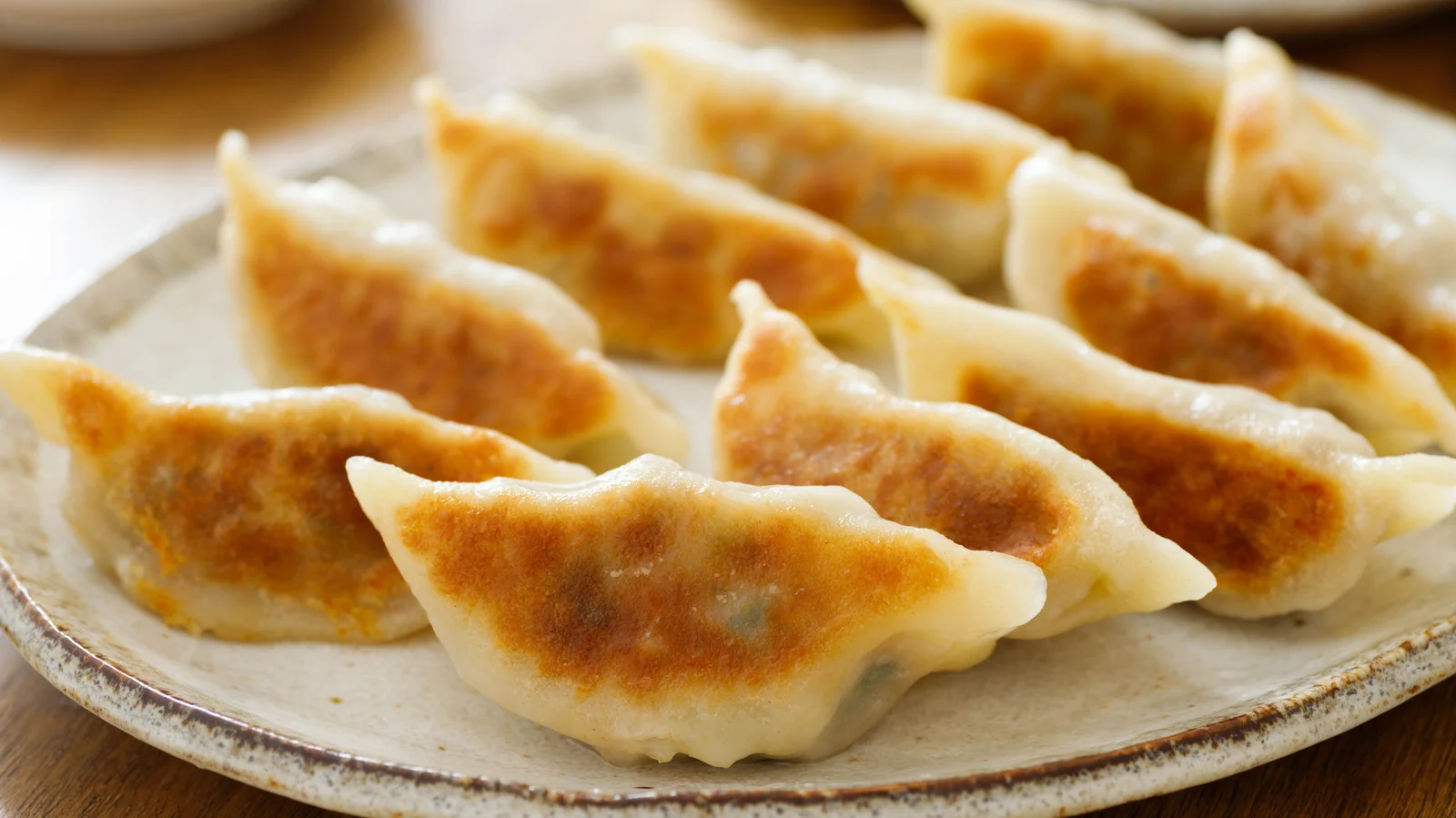
Frozen potstickers can anchor a full dinner when they’re baked over seasoned rice. The dish combines dumplings, vegetables and aromatics in one casserole, while the rice absorbs broth and sauce beneath them. It’s a useful format for turning a freezer staple into a meal with more going on than a dipping sauce on the side.
Build the casserole in layers
Start with jasmine rice in a baking dish and stir in chicken or vegetable broth, soy sauce, rice wine vinegar and minced aromatics. This liquid gives the rice its seasoning as it cooks, so the base can carry flavor through the dish rather than relying on a sauce added at the end. The balance matters: the rice needs enough liquid to cook, while the soy sauce and other seasonings should complement the dumplings instead of overwhelming them.
Arrange frozen dumplings and chopped vegetables on top; broccoli and carrots are good options. Keeping the potstickers above the rice gives each component a distinct role, with the rice cooking in the seasoned liquid and the dumplings warming alongside it. Finish with sesame seeds and sliced green onions, then add sriracha mayo or chili oil after baking if you want a richer or hotter finish.
The format makes a practical difference. Rice and potstickers cooked separately can feel like two sides, while baking them together ties their flavors into a single meal. It also leaves room to adapt the seasoning to the dumplings you have on hand, which is useful because frozen varieties can differ in filling and seasoning. A range of frozen grocery store dumplings can work as the base.
Match the flavors to the dumplings
For pork dumplings filled with cabbage, green onions and ginger, lean into sweet and savory notes. Add sliced carrots and extra cabbage, or use bok choy, to echo the filling and give the casserole more texture. Sweetness can help round out those savory flavors; serve the finished dish with sweet chili sauce for a direct contrast.
Beef bulgogi dumplings can stand up to a bolder rice base. Stir sweet and spicy gochujang into the broth before pouring it over the rice, so its flavor is distributed through the base. Finish the casserole with Korean-style spinach, sesame seeds and green onions to add freshness and a little bite against the richer filling.
Chicken dumplings offer a route to Thai-inspired flavors. Mix coconut milk with red curry paste and a splash of lime juice for the rice, then top the dumplings with sliced bell peppers and kabocha squash. The coconut milk brings richness, while curry paste and lime give the base a more assertive profile. Thai basil makes a fresh finishing touch.
Why the one-dish method works
The main appeal is coordination: the rice and dumplings share a baking dish, and the vegetables can be arranged with them. That can simplify dinner and reduce the need to prepare separate sides, though the result still depends on matching the cooking liquid and seasonings to the ingredients. Here's the thing: the casserole’s flexibility comes from the rice, which can take on different flavor profiles without changing the basic method.
The same one-dish approach can shift from mild and sweet to rich and spicy through a few ingredient swaps. Choose the dumplings first, then tune the rice, vegetables and finishing sauce to suit them. This is more significant than it looks: starting with the filling gives the rest of the dish a clear direction, instead of asking several unrelated toppings to carry the meal.
If you're working with whatever’s already in the freezer, the method gives you room to adjust the vegetables and finishing sauce around the dumplings you have. And yet, the dish is only as balanced as those choices: a strongly seasoned filling may call for a simpler rice base, while milder dumplings can take more assertive seasoning. A flexible dinner, with a little judgment required.
Discussion
Sign in to join the discussion.