Shake Shack’s customization options can add crunch, richness, or heat. Cherry peppers stand out, and fans recommend adding them to cheese fries.
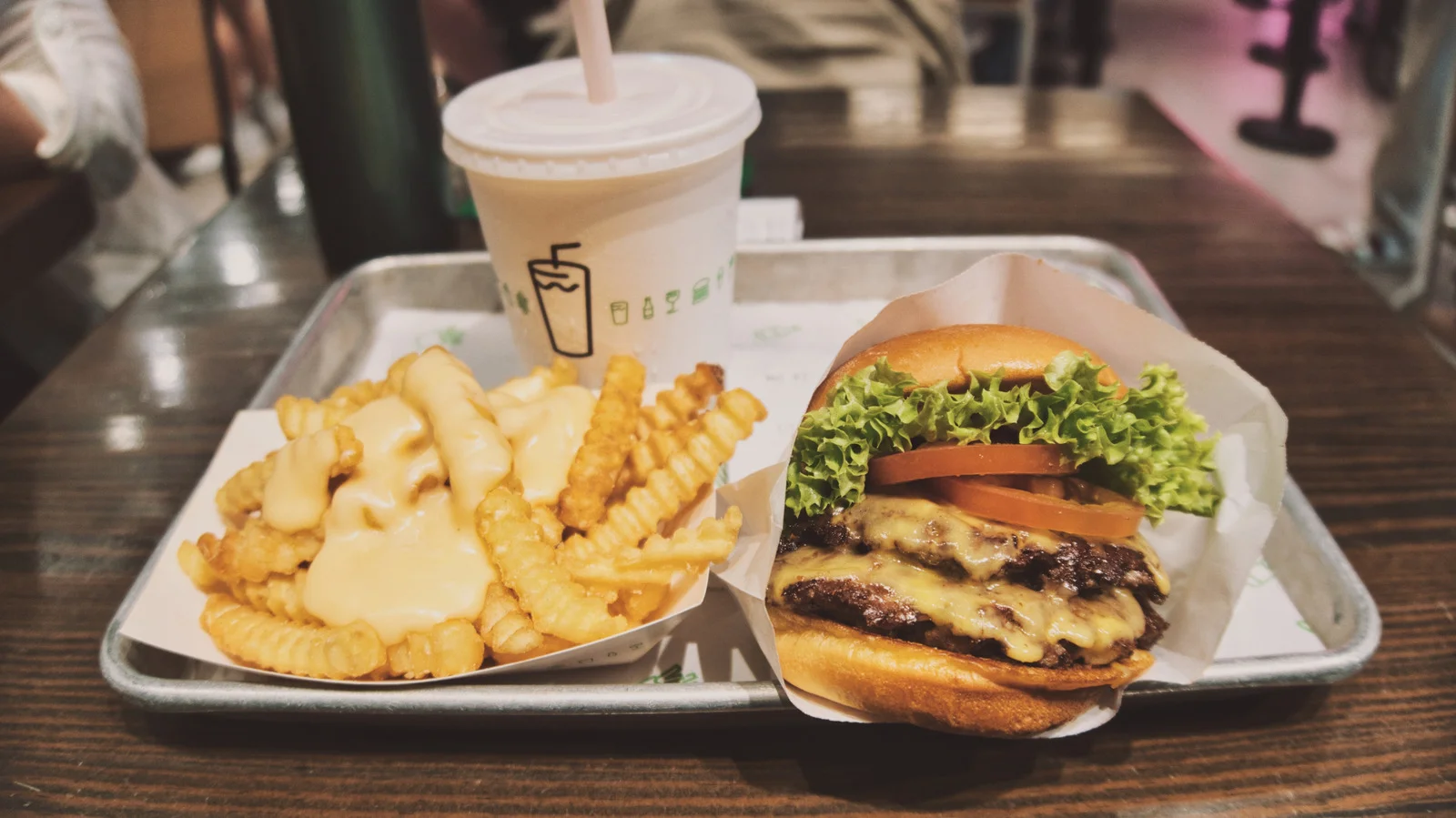
Cherry peppers are a small add-on with outsized potential at Shake Shack. Their tangy bite can cut through the richness of burgers and sandwiches, while their bright flavor gives familiar orders a sharper edge. Fans also recommend scattering them over cheese fries, where the peppers can balance the creamy sauce and salty potatoes. For customers who usually order straight from the menu, the toppings list offers an easy way to change a meal’s flavor and texture without replacing the main item.
Build more flavor with toppings
Shake Shack offers more than the standard lettuce, tomato, and cheese. Cherry peppers, caramelized onions, pickles, sliced onions, avocado, and crispy onions can be added to burgers, chicken sandwiches, and hot dogs. That range gives customers a way to adjust familiar combinations: pickles bring acidity, caramelized onions add sweetness, crispy onions contribute crunch, and avocado makes a sandwich richer. The effect depends on what the base order already contains, which is why a modest topping can sometimes make more difference than adding another major ingredient.
Prices vary by topping. Lettuce, tomatoes, pickles, and sliced onions are generally free, while cherry peppers cost 49 cents. Caramelized onions are 99 cents, crispy onions cost $1.29, and avocado adds $1.99. The price spread makes cherry peppers a relatively inexpensive experiment for anyone unsure about customizing an order. Still, the listed cost only tells part of the story: the more useful question is whether the topping changes the balance of the meal in a way the customer actually wants.
Why fans single out cherry peppers
Customer comments give the peppers particular attention. One Reddit user wrote, “The cherry pepper relish makes the whole experience,” while an Instagram commenter called them a must-order. Another suggested adding the peppers to cheese fries, describing the combination as an ideal companion to burgers and fries. These remarks are individual reactions, not evidence that every customer will share the preference, but they point to a clear appeal: a sharp, lively contrast to the fries’ creamy cheese sauce. That’s a small addition doing a specific job.
That contrast helps explain why cherry peppers can stand out among toppings that are more familiar or substantial. Cheese sauce coats the fries with richness; a tangy pepper topping can interrupt that heaviness and keep each bite from tasting quite the same. The same principle applies to a burger or chicken sandwich, where acidity can bring definition to richer ingredients. This is more significant than it looks: a topping doesn’t need to transform the entire order to make it feel more balanced.
Customization has practical limits
Customization can extend beyond the listed toppings. Customers ordering in person can ask whether a location can provide extras such as cheese sauce with a chicken sandwich or ingredients for a peanut butter bacon burger. Those requests depend on the location, the day, and the employee handling the order, so off-menu additions aren’t guaranteed. (And this is the part most people overlook.) A request may sound simple, but it still depends on what that particular restaurant can prepare and serve at the time.
If you're working from the standard menu, the listed toppings offer a more predictable way to tailor a meal. Cherry peppers are an easy starting point: they’re inexpensive, add a distinct tang, and can work across more than one kind of order. If you're asking for something beyond the menu, keep the request flexible and be ready for the answer to vary by location. No elaborate order required.
What the small add-on signals
A topping menu is also a quiet part of how a fast-casual restaurant invites repeat customers to vary a familiar order. The core meal stays recognizable, while a change in acidity, sweetness, crunch, or richness can make it feel different enough to revisit. That flexibility has limits, especially when a request falls outside the listed options, but it gives customers some control without requiring them to learn an entirely new menu.
Cherry peppers are a particularly clear example because their role is easy to understand: they add a sharp note to foods that can otherwise lean rich and salty. The numbers here are underwhelming as evidence of a broad trend; the source offers a few customer comments, not a measure of how widely the topping is ordered. Still, those comments and the low listed price make a sensible case for trying the peppers as a small flavor adjustment. For a familiar burger, sandwich, or order of cheese fries, that may be enough.

Discussion
Sign in to join the discussion.