Scrambled eggs can be easier to enrich with extra protein and may use less fat, but the ingredients and cooking oil determine the nutritional difference.
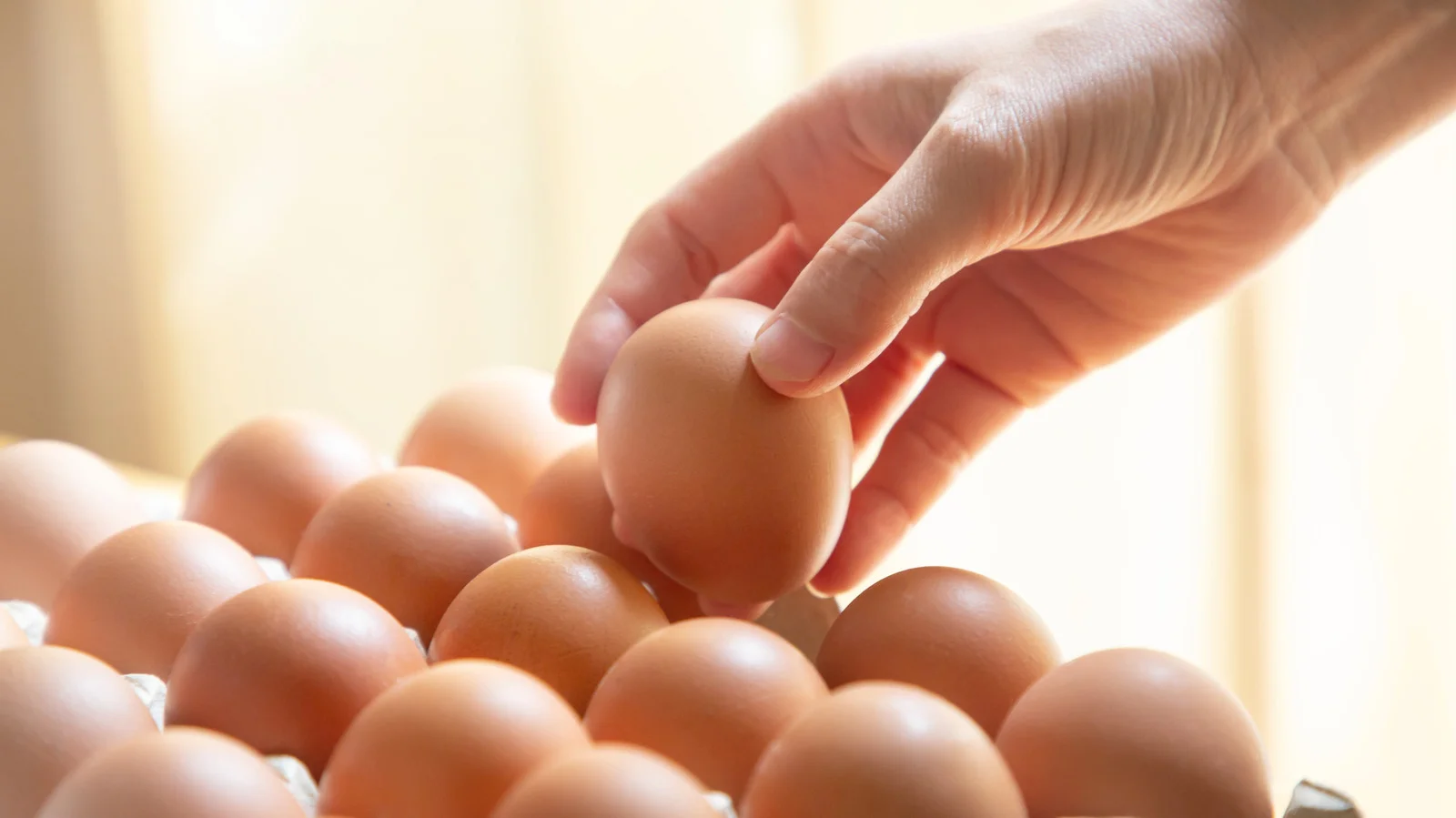
How you cook an egg matters less than what goes into the pan, though scrambling gives you more room to add protein. Both fried and scrambled eggs start with about 6 to 7 grams of protein per egg, along with iron and B vitamins. Registered dietitian Kelsey Kunik of Graciously Nourished says scrambled eggs often come out ahead because they tend to require less cooking fat. That’s a useful rule of thumb, but it’s not a fixed nutritional ranking: the amount and type of fat used can matter more than whether the egg is stirred or left intact.
Cooking fat can change the comparison
That advantage depends on the recipe. Fried eggs cooked in a small amount of olive or avocado oil can keep added saturated fat lower than eggs cooked in butter. A tablespoon of butter contains 7 grams of saturated fat, compared with less than 2 grams in a tablespoon of olive oil. Using less cooking fat can also reduce calories in either preparation.
The practical distinction is the ingredient, not the shape of the finished egg. A fried egg doesn’t automatically carry more saturated fat, just as scrambled eggs aren’t automatically a lighter option; both can be prepared with different amounts of butter or oil. And the amount in the pan matters: using a full tablespoon when only a small amount is needed can change the meal’s fat and calorie contribution. That’s where the apparent advantage can shrink.
Scrambling makes extra protein easier to add
The eggs themselves provide the same starting protein whether fried or scrambled. Scrambled eggs, however, can take additions such as an extra egg white or a splash of ultra-filtered milk. Kunik says those additions can raise the protein by as much as 5 grams. Most of that increase comes from the egg white; two tablespoons of milk contribute about 1 gram.
This is the clearest reason scrambling may suit someone trying to raise a meal’s protein without changing the basic breakfast. An extra white can be mixed through the eggs, while milk adds a smaller amount. The tradeoff is straightforward: those additions change the final nutrition, so the comparison is no longer between two plain eggs cooked differently. It’s between different recipes.
There’s the distinction.
Eggs bring nutrients beyond protein
Eggs also supply choline: one egg provides about 25% of the daily value. Kunik describes choline as an essential nutrient that supports brain and muscle function and helps protect heart health.
That makes eggs more than a way to add protein to breakfast, though the figures here don’t establish that one cooking style delivers more choline than the other. The basic nutrient contribution comes from the egg itself. If you’re comparing fried and scrambled eggs, the source points to cooking fat and optional add-ins as the more relevant differences.
Choose the preparation that fits the meal
Eggs can add protein and nutrients to breakfasts that lean heavily on carbohydrates. Kunik suggests adding a scrambled egg to a bagel or serving one over avocado toast to make the meal more filling.
That advice is about building a meal, not finding a universally superior egg. Pairing eggs with a carbohydrate-heavy breakfast can change its balance and may make it more satisfying, while the specific result depends on portion and preparation. A scrambled egg also gives you an easy route to add an egg white; a fried egg offers a simpler format when you don’t need those additions.
The modest edge depends on what you value
For a modest nutritional edge, scrambled eggs make it simpler to increase protein and often call for less fat. But the cooking fat can narrow that gap, and either style can make a useful breakfast choice. This is more significant than it looks: the familiar fried-versus-scrambled debate can distract from the choices that actually change the meal, especially added fat and extra ingredients.
If you’re choosing between the two, start with how you plan to cook them and what you want from breakfast. Scrambling offers flexibility; frying can still fit a lower saturated fat preparation when the oil and amount are considered. Neither method has an automatic nutritional win. The recipe does the deciding.
Discussion
Sign in to join the discussion.