Wegmans’ fresh bakery marble rye pairs rye and pumpernickel flavors with a sturdy texture, though its 7-ounce half loaf costs more than budget options.
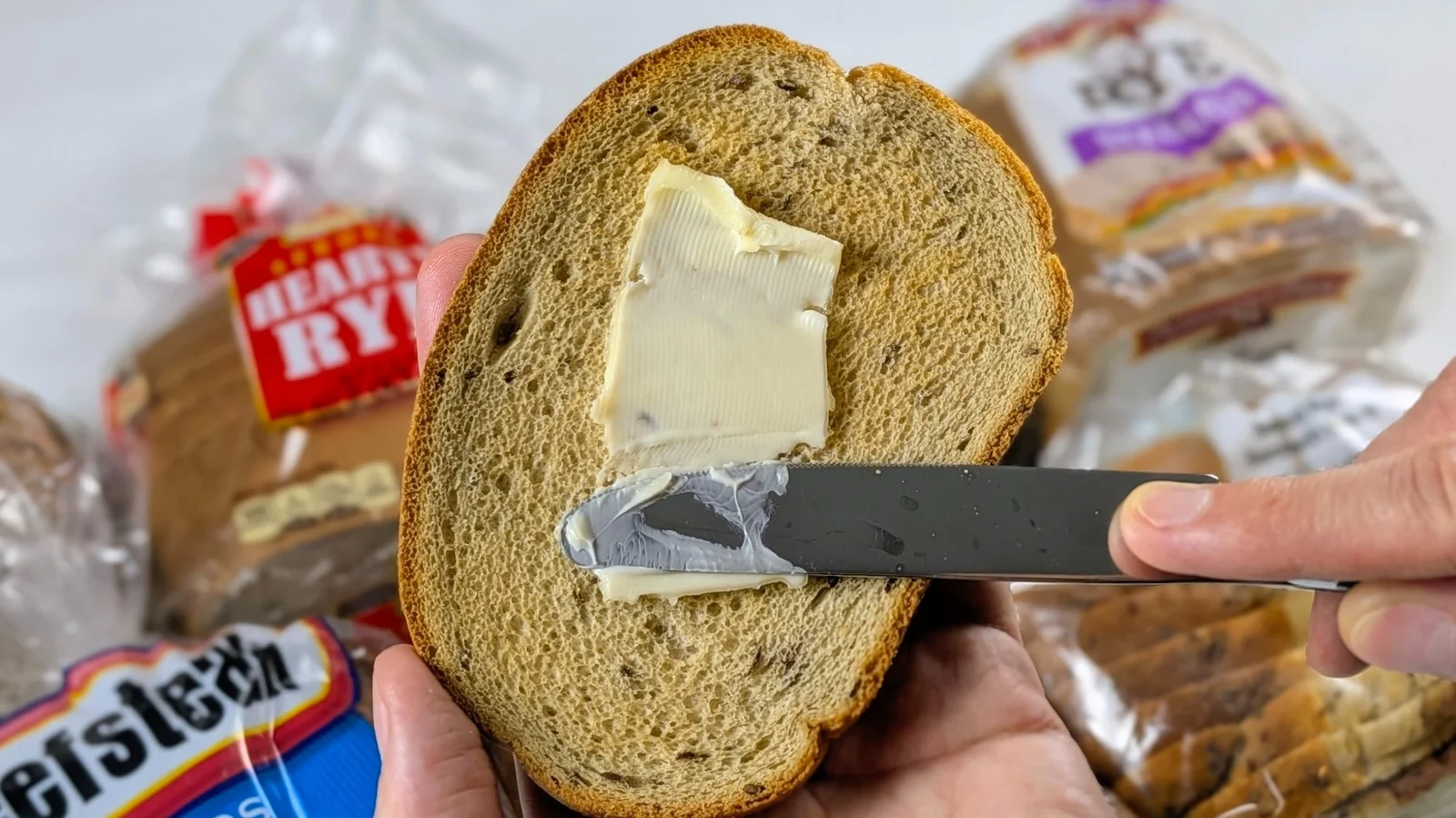
Wegmans’ Marble Rye Bread took the top spot in Tasting Table’s ranking of 10 store-bought rye breads. The tester praised a combination that can be hard to find in packaged sandwich bread: a loaf with enough flavor to stand out and enough structure to hold up under substantial fillings. Sold fresh in the grocery chain’s bakery section, it occupies a middle ground between a standard supermarket loaf and bread from a local bakery.
That position matters because rye breads often ask shoppers to choose between price, texture and a stronger flavor. A mild loaf can work across many sandwiches but disappear beneath rich fillings; a more assertive one can dominate them. Wegmans’ bread appears to land between those extremes. This is more significant than it looks: a sandwich bread’s job is to support the ingredients without becoming a bland afterthought.
Rye and pumpernickel in one loaf
The bread’s marbled appearance comes from alternating rye and pumpernickel dough. The pairing gives each slice visual contrast and a more layered flavor than a single-style rye can offer. Pumpernickel contributes molasses notes, while rye and caraway bring an earthy, slightly bitter edge. Tasting Table’s tester described the result as “a woodsy, juniper-like flavor,” with enough caraway to give the loaf a pungent backbone.
Those flavors have a practical role at the table. Rye and caraway are familiar companions to deli meats, while pumpernickel’s sweeter notes can temper saltier ingredients. The balance won't suit every palate: shoppers who prefer soft, neutral sandwich bread may find the caraway too assertive. But for a sandwich built around ingredients with strong flavors of their own, the loaf has a clear point of view.
Texture matters just as much. The loaf kept its structure under butter and dressing, making it a practical choice for substantial deli sandwiches. That sturdiness separated it from several other breads in the taste test, which fell short on flavor or structural integrity. A slice that holds together can make the difference between a composed sandwich and one that collapses before the last bite.
A sandwich bread with a price premium
Wegmans’ loaf has found fans among sandwich makers. In an Instagram Reel, @suefooditinerary used toasted slices with the retailer’s pastrami, cheese and pickles. Toasting can add another layer of crispness, while the bread’s firm crumb gives those fillings a stable base. It's a combination that puts the loaf’s stated strengths to work rather than treating the marbling as decoration.
That same structure suits other New York-style combinations and regional sandwich recipes that need bread capable of carrying generous toppings. If you're making a sandwich with several wet or heavy ingredients, bread strength is part of the recipe, not a minor detail. A loaf that keeps its shape can preserve the texture of the finished meal.
Here's the thing: that performance comes at a price. The bread was listed at $3 for a 7-ounce half loaf, though prices vary. Walmart’s Great Value New York Style Rye, by comparison, costs under $3 for 24 ounces, depending on location. Those figures make the difference in size plain, but price alone doesn't settle the comparison. The Great Value loaf tasted fresh, yet lacked the same structure and the marbled flavor and appearance that distinguish Wegmans’ version.
The smaller loaf may also make more sense for shoppers who want a particular flavor for one meal rather than a larger supply of everyday bread. That said, the source doesn't establish how long either loaf stays fresh, so the value calculation depends on how much bread a household will actually use. A lower price per ounce is less useful if the loaf's texture or flavor isn't what the meal calls for.
What the ranking means for sandwich makers
For a large sandwich built around pastrami or similarly generous fillings, Wegmans’ Marble Rye offers a clear taste and texture advantage. The loaf earns its place through the combination of marbling, caraway flavor and structural support, not simply through a bakery-counter presentation. It's a specific choice for a specific kind of sandwich.
And yet. The premium is easiest to justify when those qualities are central to the meal; for a basic sandwich, the cheaper loaf may be sufficient. The numbers here are underwhelming for anyone judging value by quantity alone, but the comparison also shows why a taste ranking can favor a smaller, more expensive product. The distinction comes down to what the bread contributes.
For shoppers weighing the two, the useful question is whether the loaf's stronger flavor and firmer crumb will change the sandwich they want to make. A better fit for the filling. That’s the case for Wegmans’ version, though its smaller size means the advantage has to matter to you.



Discussion
Sign in to join the discussion.