Pony Express riders ate whatever station stops could provide, from mutton and rough bread to California anchovies, with meals shaped by location and luck.
7 Foods Pony Express Riders Relied On In The American West
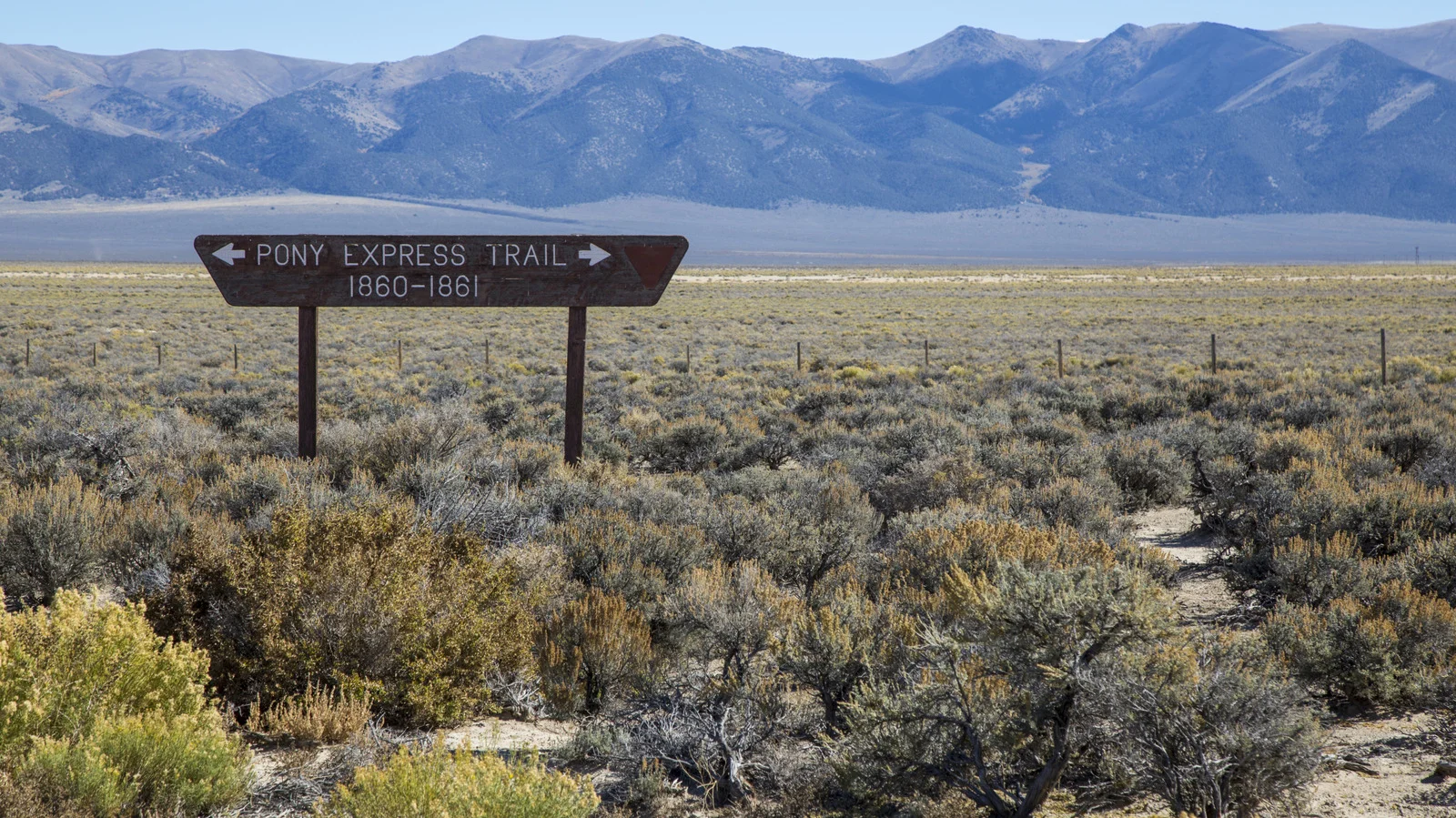
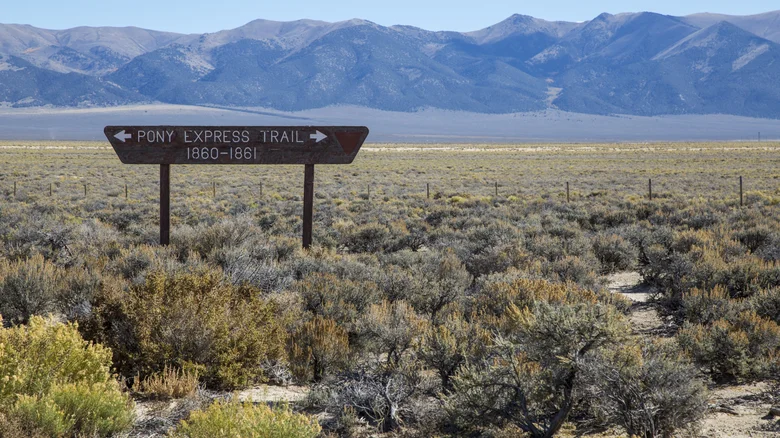
The Pony Express is remembered for speed and danger, but its riders’ meals depended on something less romantic: what each stop could supply. The service ran for only 18 months, from April 1860 to October 1861, along a route of roughly 2,000 miles between St. Joseph, Missouri, and Sacramento, California. About 165 stations stood along the way, typically 11 to 15 miles apart. In much of the West, a hot meal or fresh ingredients weren’t guaranteed.
 Frontpoint/Getty Images
Riders couldn’t carry much food. Mail took priority, and weight limits helped keep the service fast. So what they ate was largely a matter of geography and luck. Dr. Christina Corfield, a visiting assistant professor at the University of Buffalo, says a rider’s food was “mostly determined by where they were stationed along the 2,000-mile route.” Stations near the eastern end and larger towns generally had more fresh food and greater variety.
That’s the part that can get lost in the legend: a rider’s meal might hinge on the station keeper’s cooking as much as on what the region produced. Here are some of the foods riders encountered, whether they were appetizing or not.
Mystery meat
 Mironov Vladimir/Shutterstock
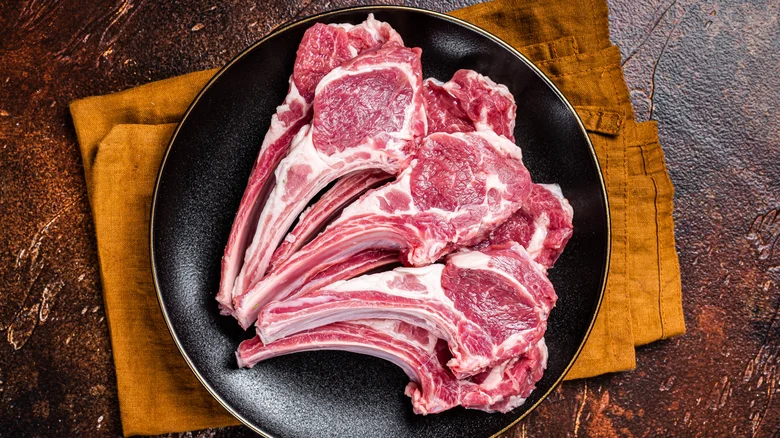
Mutton—meat from older sheep—appears often in accounts of Pony Express station food. Riders might also encounter “bull beef,” which Corfield thinks likely meant buffalo, and the more puzzling “wolf mutton,” served with some kind of boiled grain. The name is suggestive; the meat’s identity remains unclear.
Antelope steaks reportedly appeared at several stations, too. Corfield says the historical records don’t establish where the meat came from or who supplied it. Riders had demanding schedules and little time to hunt, so station operators may have sourced it. That’s a plausible explanation, though the evidence doesn’t settle the question.
Bread
 Alfonso Soler/Shutterstock
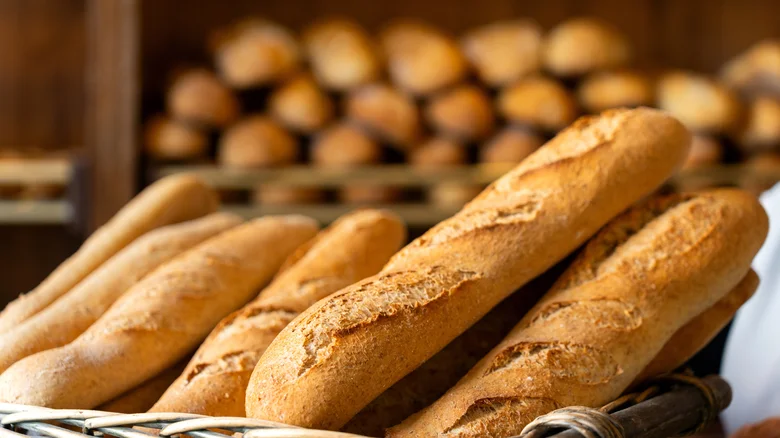
Fresh bread was more likely near eastern settlements and larger towns. Some stations served loaves baked on site; others gave riders flour to cook over an open fire. The result could be grim. At stations including Cold Springs and Rock Creek, Corfield says bread could have “a harsh alkaline taste making it difficult to consume except out of necessity.”
Traveler Richard Burton described bread that may not have been fully cooked. In notes quoted by FrontierLife, he blamed its flavor on a rising method “done by means of a little sour milk, or more generally by the deleterious yeast.” Poor sanitation made matters worse: contaminated water could go into the dough, while flies swarmed around meals.
Anchovies
 A-lesa/Getty Images
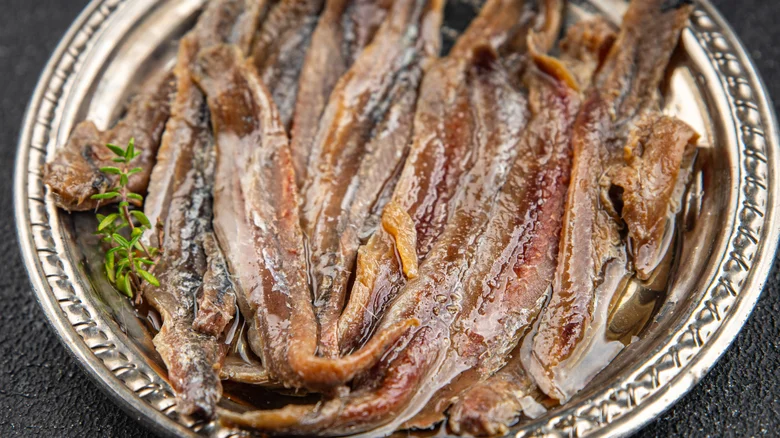
Some California stations could offer more appealing fare. Corfield says anchovies, sausage, and cheese were available in the region. The northern anchovy is harvested off California’s coast, making it a convenient way to add salt and flavor—much as cooks today use anchovy paste to season dishes.
Anchovies also featured in a sauce served over baked trout at a fine-dining establishment around the Pony Express era. Most riders likely couldn’t afford to eat there. But some larger relay stations doubled as stagecoach stops and had better provisions, giving riders access to a wider menu than a remote outpost could manage.
Saleratus doughnuts
 Pau Novell Aran/Shutterstock
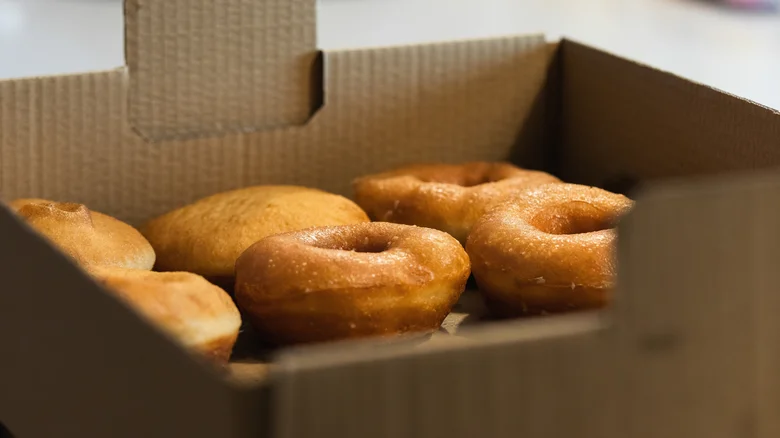
A doughnut could be a poor meal when it was green, badly made, and competing with a cloud of flies. One traveler recorded a dinner of “doughnuts, green and poisonous with saleratus,” while flies “disputed with us” over the food.
Saleratus appears in vintage baking recipes as a leavening agent. It was a form of pearl ash, similar in purpose to modern baking soda but made with potassium bicarbonate rather than sodium bicarbonate. Riders weren’t the only people who disliked the results.
The doughnut’s history carries a more entertaining claim: although Dutch settlers in Manhattan are widely credited with inventing the pastry, legend says a doughnut maker along the Pony Express route created the ring shape. Supposedly, she wanted to toss doughnuts to her rider sweetheart, who could catch one on his gun barrel. It’s a good story; the account presents it as legend, not settled history.
Eggs
 Frazao Studio Latino/Getty Images
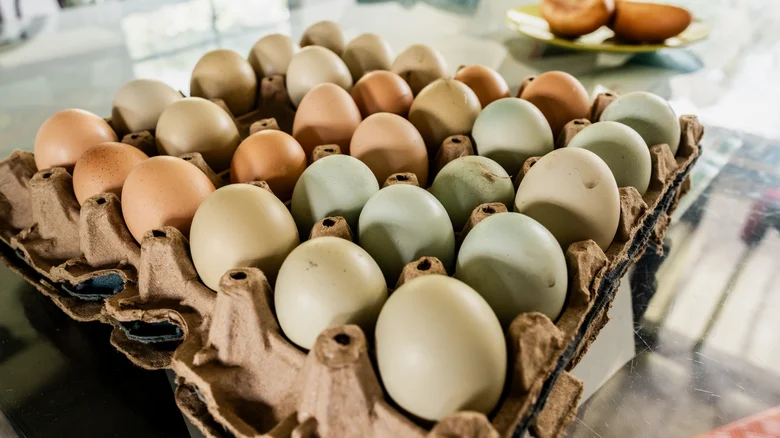
At well-supplied stations, eggs might arrive with ham or sausage and bread rolls, Corfield says. They could turn up at remote stops, too, even when other supplies were slow to arrive. There’s no firm evidence that stations kept chickens, but it’s a reasonable possibility: during the mid-19th century, American chickens were increasingly bred for eggs as well as meat. The shift is part of the longer story of how eggs became a staple food.
Not every egg was reassuring. Richard Burton, who traveled the Pony Express route by stagecoach, called eggs at one stop suspicious without explaining why. At another, the meal was much better. His diary, as quoted by FrontierLife, praised “the ham and eggs, the hot rolls and coffee” as fresh and good. Drought had killed the salad, he wrote, but there were “abundance of peaches and cream.”
Preserved foods
Preserved foods and scarce supplies
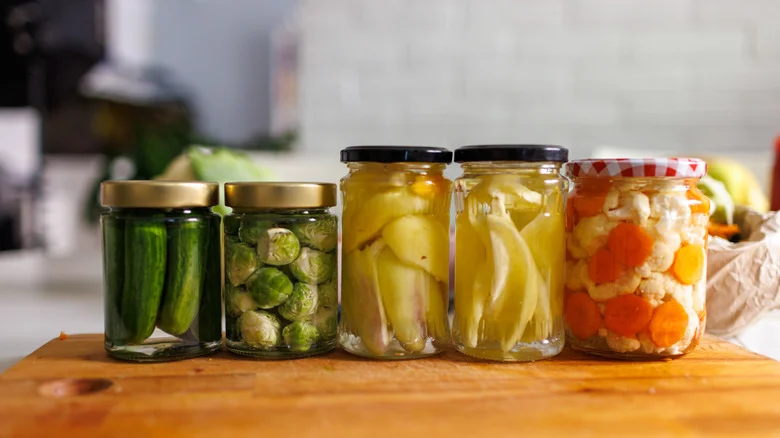
Fresh provisions were unreliable at many Pony Express stations, making preserved food a practical necessity. Riders might find pickles, cured meat, dried fruit, salted beef, or buttermilk, according to Dr. Christina Corfield. Pickling went beyond cucumbers: fruits, vegetables, watermelon, and eggs could all be preserved that way. The food was stored in bottles, since mason jars had not yet become common. For more on the category, see this guide to pickled foods. Better supplied outposts had more choice. Military forts such as Fort Laramie could offer fresh beef, fruit, and vegetables, including onions, while potatoes were available nearer Salt Lake City. But supply depended on the station and the moment. After the Pony Express company went bankrupt, even stations that had been better provisioned received deliveries less often.
Bacon, or something close to it
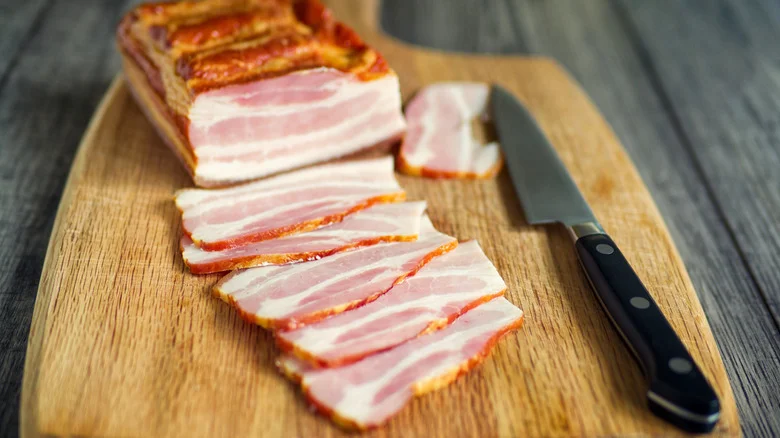
Bacon could be a filling meal, but its preparation at a station didn’t always impress travelers. Stagecoach passenger Richard Burton called some bacon he ate “rusty.” He explained that cooks cut it into thick slices and fried it in a pan; the grill was unknown there, or at least not favored, because it would let the drippings go to waste. As FrontierLife reports, Burton praised those drippings as a rich accompaniment to bread.
There’s a catch in identifying what he ate: Burton’s description doesn’t establish that it was bacon as we’d define it now. It may have been salt pork, a common cowboy food made from a pig’s belly or back and cured with salt. Unlike bacon, salt pork wasn’t smoked. That distinction makes the station menu harder to pin down, even when the traveler’s account gives us a vivid picture of how it was cooked. See more on salt pork as a cowboy staple.

Discussion
Sign in to join the discussion.