Regional pies like Pennsylvania's shoofly and Florida's key lime carry local history, family recipes, and seasonal flavors worth tasting.
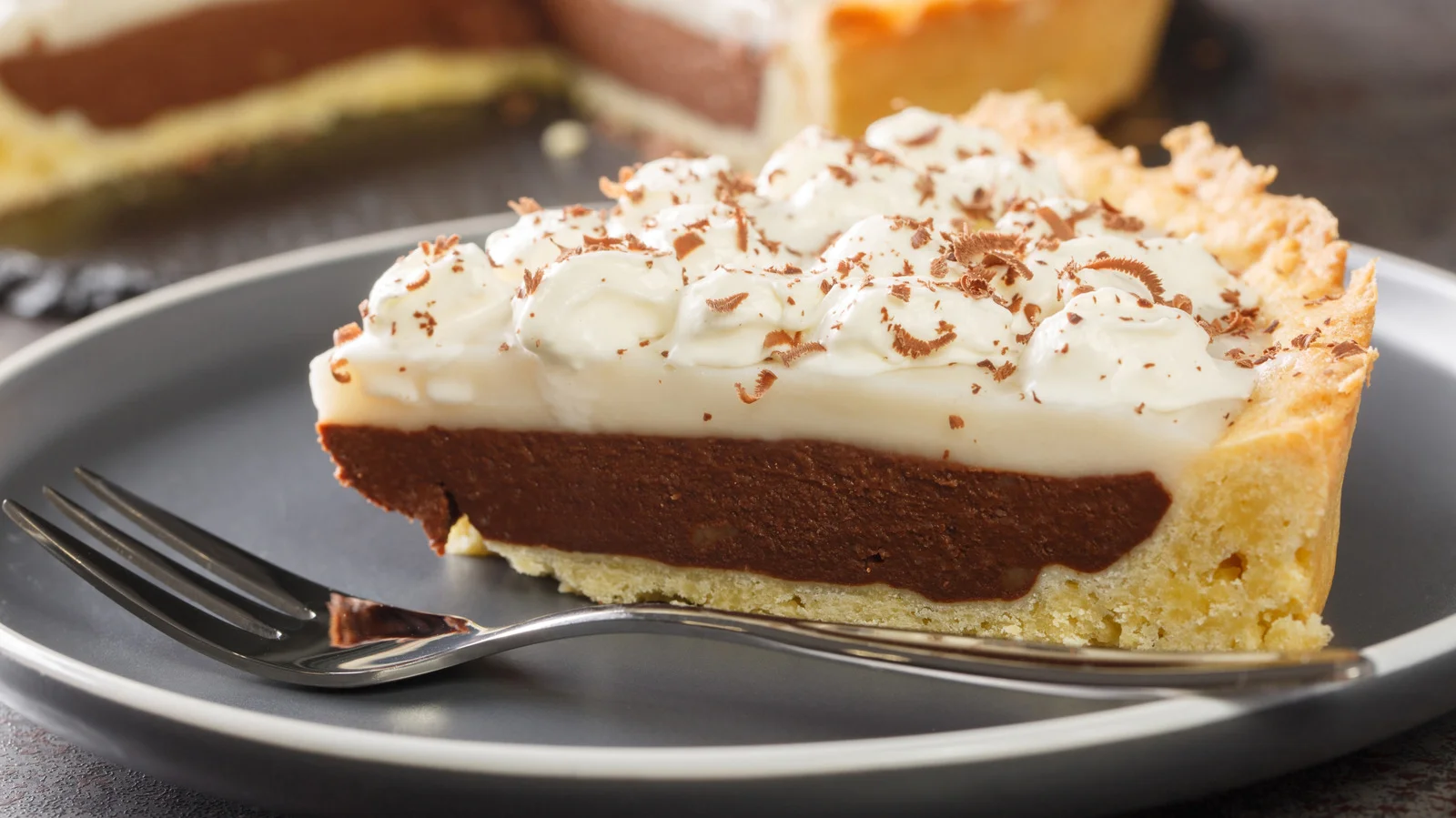
"As American as apple pie" is a catchy line, and apple pie does earn some of its reputation. According to YouGov, only 6% of Americans actively dislike it. But one pie can't stand in for an entire country, and the slogan misses the point.
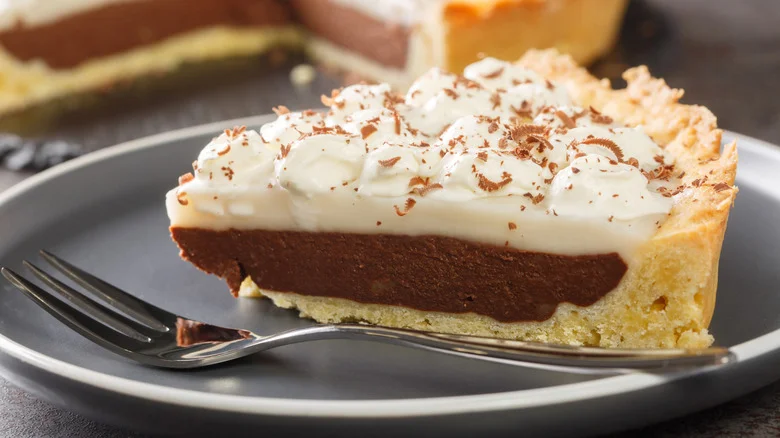
Sergii Koval/Shutterstock
Pies across the country grew out of particular places. Local traditions, family recipes handed down through generations, and whatever fruit or sugar was in season all shaped them. Many carry real history, and the regional versions are where those stories survive.
Here are the regional pies worth tasting at least once. They run from Pennsylvania's crumbly shoofly to Mississippi's rich mud pie and Delaware's juicy peach dessert, which makes it hard to imagine anyone leaving this list empty-handed.
Shoofly Pie: Pennsylvania
Manyakotic/Getty Images
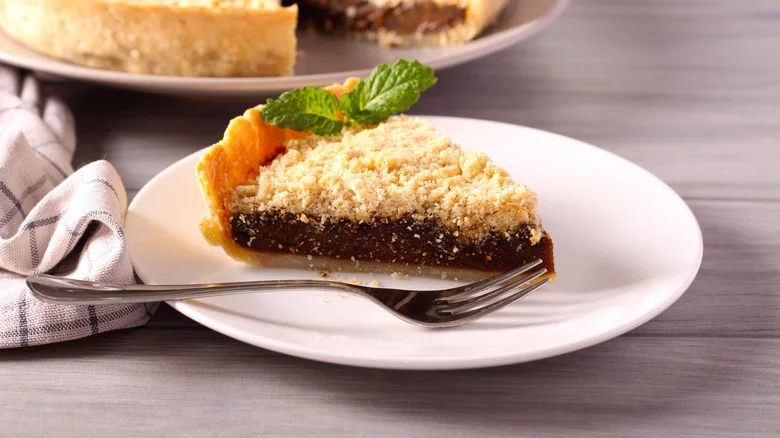
Here's a fact that puts pie in perspective: baking powder, the leavener that makes so much baked food rise, wasn't patented until the mid-1800s. It took a few more decades to reach ordinary kitchens. Its arrival opened the door to new baked goods, and Pennsylvania's shoofly pie is one of them.
The pie itself needs only a few pantry staples, molasses and sugar among them. It resembles an English treacle tart, with a crumbly top, a gooey center, and a deep, intensely sweet flavor. It's still a fixture in many Pennsylvania Dutch homes, yet it's also an American pie that has been widely forgotten. Plenty of people think it deserves far more recognition. One Reddit user recalled growing up in South Central Pennsylvania, where the Mennonites, a local shop, and a great-grandmother all made shoofly pie they loved. Another wrote: "Growing up near the Amish, there was shoofly pie in every diner. It's the best."
The name is another matter. Nobody has a definitive origin story. One theory says it honors an old brand of molasses. Another says it comes from swatting flies away from the sugary slices. Shoo, fly.
Key Lime Pie: Florida
Vm2002/Getty Images
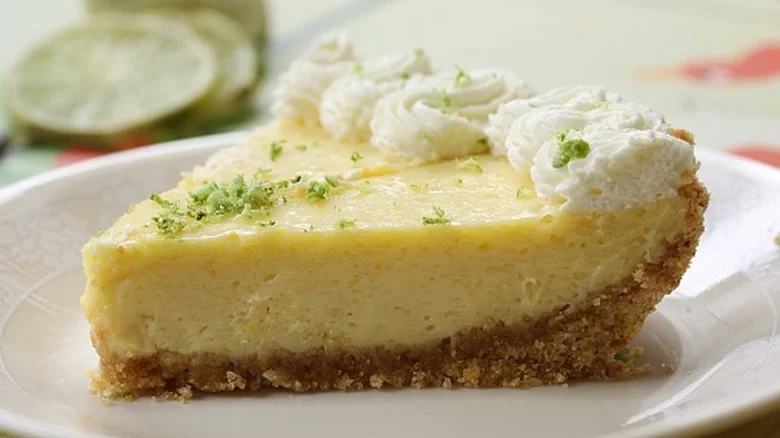
Nobody knows who invented key lime pie. What's documented is that recipes began appearing in the early 1900s, and over the course of the century the pie became a Florida staple. By the 1990s, it had been officially recognized by law as a symbol of the Sunshine State. Condensed milk, egg yolks, and lime juice form the base, and the appeal comes from its zesty, sweet, slightly tart flavor, its bouncy center, and its golden crust.
Authentic key lime pie is harder to find than you'd expect. A drought in Miami during the 1960s nearly wiped out Florida's homegrown limes, and most limes used today are shipped in from Mexico. Whether that counts as authentic depends on how you define the word. Key limes reached the U.S. from Mexico in the early 20th century, and before that they were native to Southeast Asia. So the pie is Floridian in identity, if not entirely in its fruit.
Authenticity debates aside, the pie earns its spot. That signature tang keeps it from tasting cloying the way many dessert pies do, and it cuts through heavy, savory meals well. If you'd rather not bake, plenty of store-bought options exist. Our taste-tester's favorite is Kenny's All-Natural Key Lime Pie, which they described as "perfectly balanced" and said "tastes amazing."
Shaker Lemon Pie: Ohio
Lifesummerlin/Shutterstock
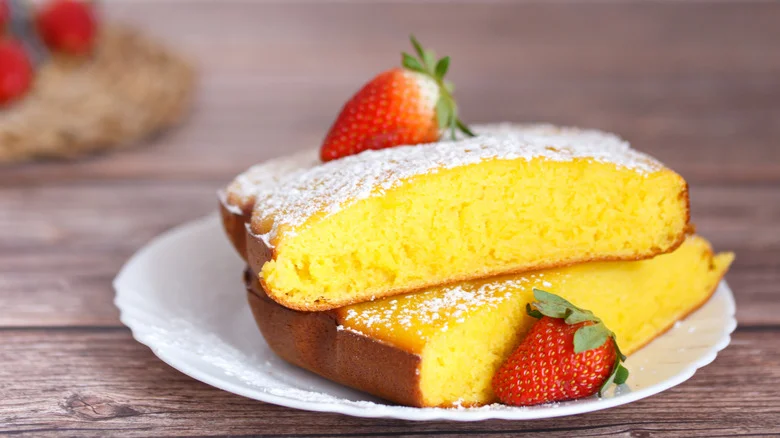
If key lime's tang is your thing, Ohio's Shaker lemon pie is the next stop. The Shaker community created it, and the group settled in the state in the early 1800s.
The Shakers treated frugality as part of their faith, and their kitchens reflected it. Many of their pies relied on just a handful of ingredients. A Shaker apple pie uses apples, rosewater, sugar, and cream. The lemon version, made from eggs, sugar, and whole lemons including the rinds, is arguably the most flavorful of the bunch. One Reddit commenter, responding to a post of old Shaker recipes, said: "If you make only one [Shaker pie recipe], make the Shaker Lemon Pie. It's my favorite lemon pie recipe out there, hands down."
The lemons carry most of the weight here. They're sliced thin and macerated in sugar, so the fruit you choose matters. Many bakers prefer Meyer lemons, which bring natural sweetness and a fragrant, almost herbal aroma that regular lemons can't match.
Maple Cream Pie: New England
Rojoimages/Getty Images
New England doesn't need convincing about maple. People in the Northeast were sugaring, harvesting sap from maple trees to make sugar, long before European settlers arrived in the 1600s. So it's no surprise the region produced a maple pie.
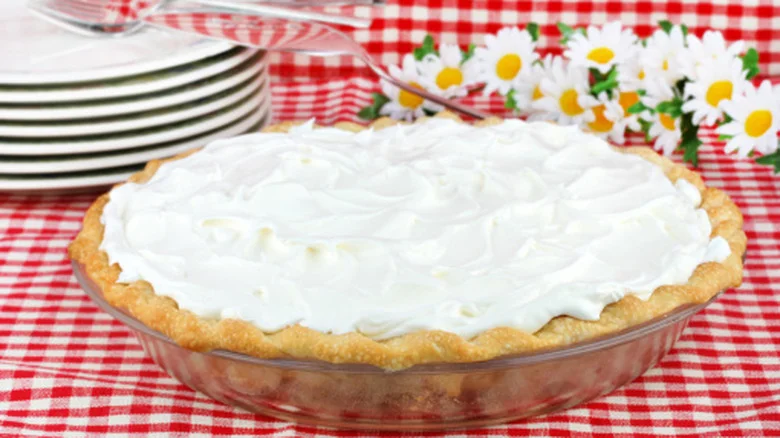
Nobody can say for certain who first combined maple and cream in a pie. One early recipe, though, is credited to the Wayside Restaurant, Bakery & Creamery in Montpelier, Vermont. The eatery has served its signature New England fare since 1918, and its maple cream pie remains one of its most loved desserts.
If you like crème brûlée, you'll probably like this. The top caramelizes into something sweet and crunchy, while the filling stays smooth and velvety, much like the French original. Quebec makes its own version, which fits Canada's deep love of maple syrup. It's similar, but its texture leans more toward custard.
Sweet Potato Pie: The South
Msphotographic/Getty Images
Sweet Potato Pie: European Roots, Southern Refinement
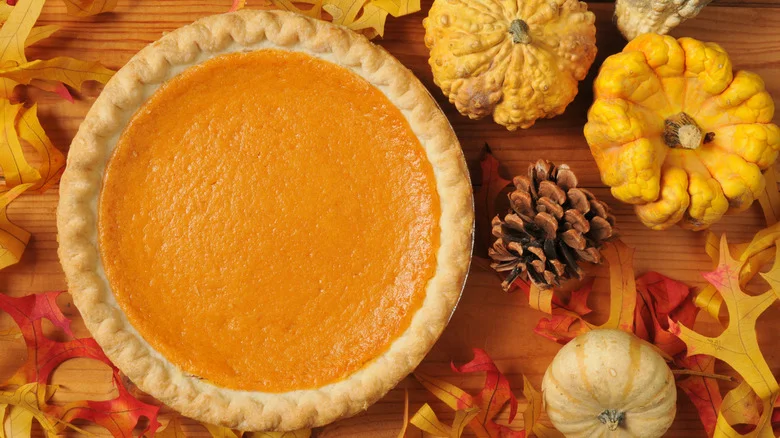
Sweet potato pie feels Southern to the bone, but its origins run across the Atlantic. Sixteenth-century Europeans were the first to combine potatoes with eggs and spices in a sweet, warming dessert. Rumor has it King Henry VIII was a fan. That's a fun detail, but it's not the part that matters. The pie you'd recognize today, with its natural sweetness, earthy depth, balanced spice, and velvety texture, was shaped by Southern cooks. Black Southern cooks, specifically. Yams are the tuber of choice in many African countries, but enslaved people in the Deep South worked with what they had. The sweet potato, native to the Americas, became a cornerstone of Southern cooking, and the pie followed.
Plenty of people argue that sweet potato pie beats pumpkin, especially at the holidays. Families across the South still bake recipes handed down through generations. And if yours didn't come with a recipe card, the internet will happily fill the gap. Some cooks swear by baked sweet potatoes. Others insist that a splash of lemon is what takes the pie somewhere special. Still, many bakers stick to the basics: sweet potato puree, butter, eggs, and warm spices. Keeping it simple works, and it's hard to argue with a pie that's been getting it right for generations.
Haupia Chocolate Pie: Hawaii's Accidental Classic
Leigh Anne Meeks/Shutterstock
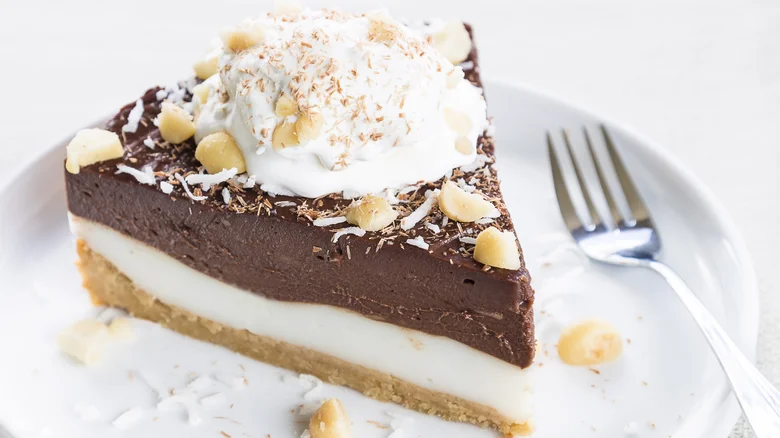
If you've spent any time with Hawaiian food, you've almost certainly eaten haupia. It's a rich, sweet, bouncy pudding made from coconut milk, sugar, cornstarch, and water, and its roots go back to indigenous Polynesian cuisine. Generations of Hawaiians have eaten it. The haupia chocolate pie, though, is a much newer creation, and it came about by happy accident. In the 1980s, Ted Nakamura of Ted's Bakery on Oahu started experimenting, layering haupia with shortcut pastry and chocolate custard. People loved it. That was basically the whole story.
Decades later, the pie isn't just a bestseller at Ted's Bakery. It's a staple of Hawaiian dessert culture. The logic is hard to argue with. Silky, sweet haupia and smooth, decadent chocolate custard play off each other, and the crumbly shortcut pastry gives everything structure.
Here's a fun wrinkle: McDonald's in Hawaii sells its own haupia pie. Locals, though, tend to say nothing beats Ted's. "If you're looking for something like what they have at Ted's Bakery I have yet to find it," reads one comment in the r/BigIsland subreddit. The commenter was responding to someone willing to drive across the Island of Hawaiʻi for a decent slice. That tells you more about this pie's reputation than any sales figure could.
Peach Pie: Delaware Gets the Crown Georgia Wears
Jonathansloane/Getty Images
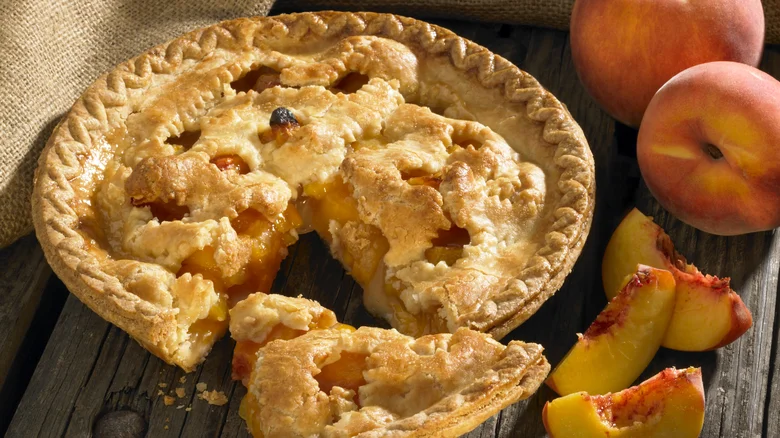
Ask most people about peaches and they'll say Georgia, and the Peach State nickname makes that an easy call. But Georgia isn't the home of peach pie. That honor goes to Delaware, which has gone so far as to name peach pie its official state dessert. That's less surprising than it sounds. Like Georgia, Delaware built a long, profitable history on growing peaches. Before disease ravaged its peach crops in the early 20th century, Delaware ranked among the biggest peach producers in the U.S.
Home bakers have plenty of ways to make a peach pie, and many guard their own signature tweaks. Some older recipes lean on peach Jell-O and Cool Whip. Others insist on fresh, peeled peaches for the juiciest, most refreshing result. Ina Garten falls into a different camp. Her trick is to add orange juice and orange zest. The citrus cuts through the sweetness and adds a bright tang that keeps the pie from feeling flat.
Possum Pie: A Name Only a Southerner Could Love
Possums are a common sight in Arkansas, and they're not exactly beloved. They can wreck property and kill farm animals, which doesn't win them many friends. Relax, though. The pie doesn't contain possum. Nobody's baking the rodents, so let's move on.
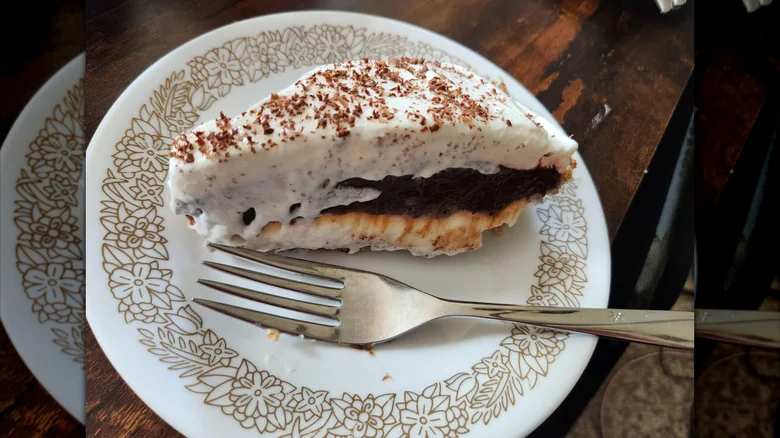
The name does come from the animal, though, and the connection is tenuous but real. The dessert stacks several layers: chocolate pudding, cream cheese, and a shortbread crust, all hidden under a thick blanket of whipped cream. The cream is the deceptive part, concealing what's underneath. And the possum's famous habit of playing dead? That's the only other link to the name. We told you it was a stretch.
Questionable name aside, possum pie has a devoted following. It's rich and indulgent, and it's easy to make. No oven required. Layer cream cheese, chocolate pudding, and whipped cream, add pecans if you like, pour it over a store-bought pie crust, refrigerate, and you're done.
Blueberry Pie: Maine's Wild Berries, Minimal Fuss
NataliaPopova/Shutterstock
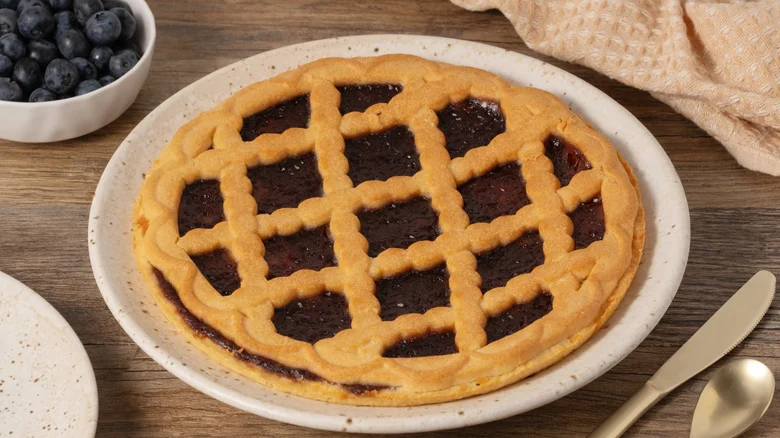
Maine's official state dessert is blueberry pie, which makes sense once you've tasted the fruit. The New England state is known for its wild blueberries. They ripen naturally in midsummer, and they're small, with a strong, sharp sweetness that makes cultivated berries seem tame. Some would call them the blueberriest blueberries around. They also earned a spot on a list of iconic Maine foods everyone should try once, alongside lobster rolls and red snapper hot dogs.
A traditional Maine blueberry pie doesn't try to be clever. Flour, sugar, pastry, and maybe a splash of lemon juice to brighten things up. There's no chocolate, no elaborate cream layer. The fruit does all the work, which is exactly the point. If you're used to blueberry pies that drown the berries in starch, this one will taste like a revelation.
Mud Pie: Mississippi's Deliberately Misleading Name
Marta Ortiz/Getty Images
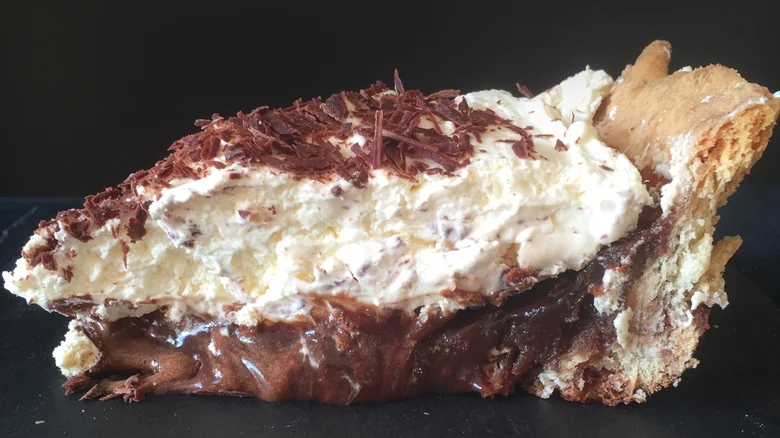
Just as possum pie contains no possum, Mississippi mud pie contains no mud. The name comes from appearance. The chocolatey filling looks dark, gooey, and dense, a lot like the mud along the Mississippi River. It's not a flattering comparison, but the dessert doesn't need flattering. It needs to taste good, and it does.
Mud pie shares more with possum pie than the misleading name. Both are built on chocolate custard and whipped cream. Mud pie, though, pushes the indulgence further. Some versions add a layer of chocolate brownie. Others use an Oreo crust or crushed pecans. Recipes vary so much that there's no single template to hold up as the "real" one.
Which is the point. Mud pie rules are loose, and bakers treat them as suggestions. Marshmallows, cookies, or cake can all go in, as long as the result is as chocolatey, sweet, and rich as possible. If there's a single rule, it's that more is generally the answer.
Pecan Pie: Texas Nuts, a Syrup Brand, and Some Lemon
Scukrov/Getty Images
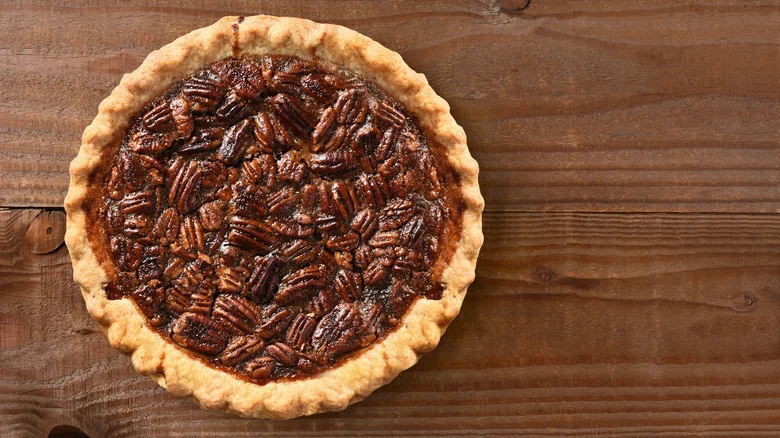
Pecans have been part of the Texas landscape for a very long time. Some reports suggest the nut grew there as far back as prehistoric times. So when we say long history, we mean it. The exact moment Texans first baked pecans into a pie is unclear, but some of the earliest written recipes date to the late 19th and early 20th centuries.
Family recipes varied, but the core was simple: pecans, eggs, butter, molasses, and pie crust. Then, in the 1930s, cooks began adding Karo corn syrup. The brand leaned hard on the dish in its marketing through the mid-20th century, which is why some people still call it Karo pie. Here's the thing: a corporation didn't invent pecan pie. It just helped turn a regional recipe into a national one.
Marketing alone doesn't explain the dessert's staying power, though. The flavor does the heavy lifting. The syrup adds a rich, caramel-like depth, and the pecans keep it from tipping into cloying sweetness. If you want more brightness, Martha Stewart's approach is to add grated lemon zest. It's a small change that makes a noticeable difference.
What the Regional Pie Map Really Shows
Read through these pies and a pattern emerges. The names often mislead. Possum pie has no possum, mud pie has no mud, and the peach pie crown belongs to a state better known for something else. What the pies really record is what was available and who was cooking. Sweet potatoes came from the Americas, enslaved cooks in the Deep South made the most of what they had, and Hawaiian bakers built on indigenous ingredients to produce something new.
If you're trying to understand a region, start with its pie. The recipes will tell you more about its history than the tourism brochures do. And you'll probably end up with a few opinions about which version is right, which is exactly how these traditions survive.

Discussion
Sign in to join the discussion.