Swap melted butter or oil for browned butter to bring nutty, toasted flavor to pancakes and waffles, with a simple measurement adjustment.
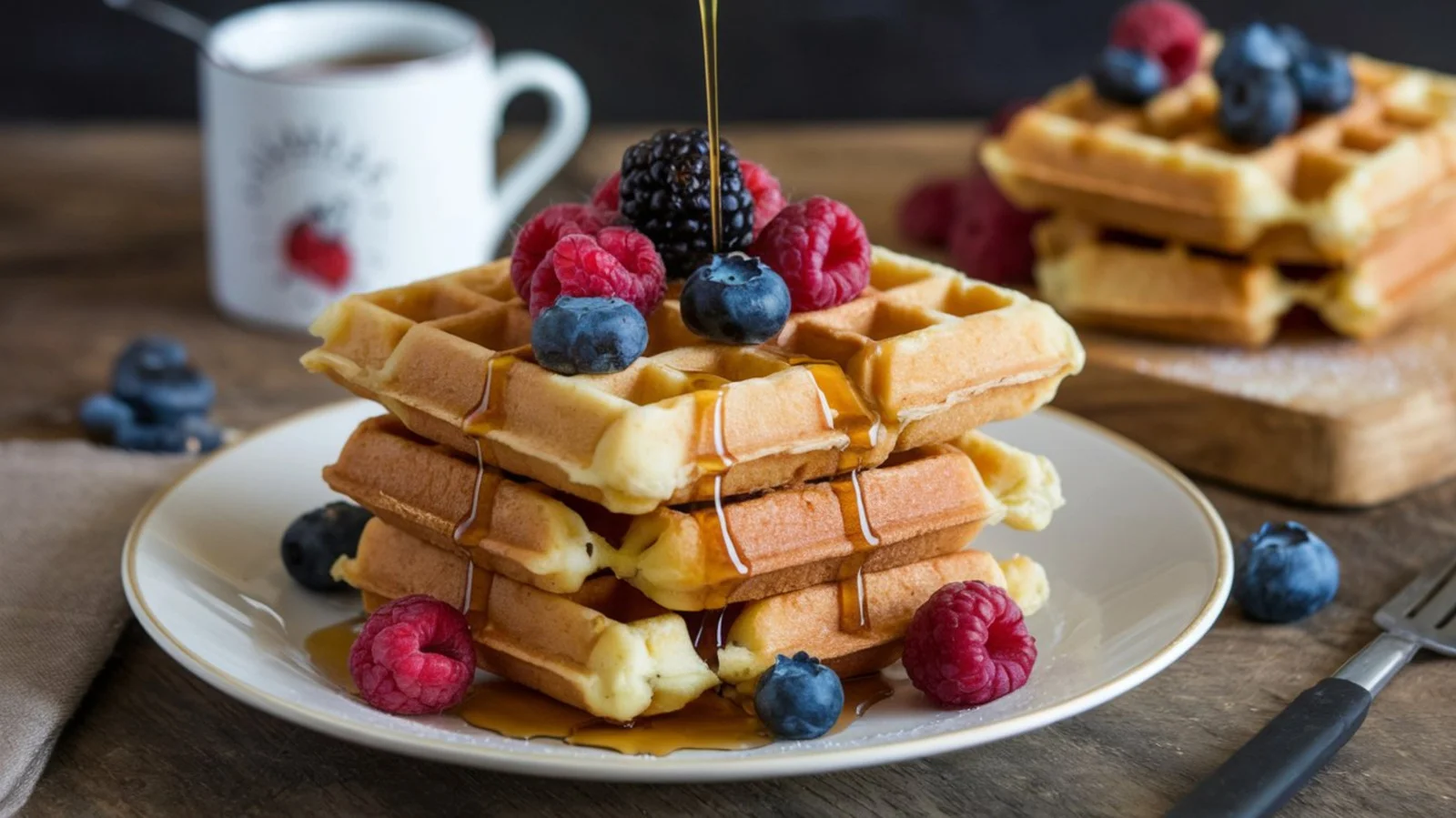
Brown butter gives pancake and waffle batter a toasted, nutty note that plain melted butter or oil can’t match. The change takes little effort, and because many recipes call for only a modest amount of fat, it generally shouldn’t alter the texture. The payoff is mostly in flavor: a familiar breakfast gets a deeper, more aromatic edge without changing the basic method.
Why browning changes the flavor
To make brown butter, cook butter until its water evaporates and the milk solids turn golden and fragrant. Those solids develop a toasted flavor as they brown, with an aroma often compared to hazelnuts. The butter’s fat carries that flavor through the batter, so the result can taste richer and more layered than a version made with plain melted butter or neutral oil.
That distinction matters most in simple recipes. Pancakes and waffles usually rely on a short list of familiar ingredients, and there may be little else competing with the butter for attention. Brown butter is a useful adjustment when you want a noticeable change without adding a new ingredient to the batter. It won’t turn breakfast into something unrecognizable; it gives the existing flavor a more pronounced toastiness.
This is more significant than it looks: a small technique change can affect both aroma and taste, even when the recipe’s proportions stay the same. But brown butter isn’t automatically better in every combination. Strong additions can crowd out its subtler notes, while a plain batter gives them room to show up.
Measure after cooking
Use brown butter in the same amount your recipe calls for melted butter or oil. Most pancake recipes use four tablespoons or less of fat, so the adjustment is usually manageable. The key detail is timing: browning drives off water, which means the butter weighs and measures differently after cooking.
Measure it once it’s browned, then add the amount the recipe specifies. Estimating from the quantity of butter you started with can leave you short, particularly if you cook it until a substantial amount of water has evaporated. That can affect how the batter comes together. If you're working from a recipe that calls for oil, the same amount of brown butter is a reasonable swap, though the final flavor will be more pronounced.
Keep an eye on the pan while the butter cooks. The milk solids need to turn golden and smell fragrant; once they pass that point, they can burn quickly. A little attention at this stage makes the difference between a toasted flavor and a bitter one.
Keep the pan fat separate
Brown butter works well mixed into batter, but it can scorch if used to grease the pan or waffle iron. Its milk solids are already toasted, and more direct heat can push them into bitter, burnt territory. That’s why the butter that gives the batter its flavor may be a poor choice for coating a hot cooking surface.
Ghee or clarified butter is a better choice for cooking at higher heat because both have had their milk solids removed. You can also keep using whatever pan fat your recipe or equipment calls for, while reserving the brown butter for the batter. The distinction is simple: use brown butter where it’s dispersed through the mixture, and choose a fat without those toasted solids for the hotter surface.
And this is the part most people overlook: the flavor benefit depends on where the butter goes. Put it in the batter, and it’s distributed through each pancake or waffle; put it on a hot iron, and the solids may burn before they can improve the food. A small separation in technique can save the batch.
Turn the extra into a topping
Leftover brown butter can become a quick finishing touch. Beat it until fluffy, then add maple syrup or honey and a pinch of salt for a sweet, nutty spread. It softens over warm pancakes and melts into a waffle’s pockets, adding another layer of the same toasted flavor.
For another option, whip cooled brown butter with heavy cream and vanilla extract to make a speckled topping that echoes the flavor in the batter. Let the butter cool before whipping so the mixture can hold its texture. The small browned flecks are part of the appeal; they also make clear that this topping carries the flavor of the butter itself.
What the swap changes
Brown butter is a low-effort way to give a basic breakfast recipe more character, but its success depends on a few practical details: cook it carefully, measure it after browning, and keep it away from direct high heat when greasing the pan. The flavor is most likely to stand out in a simple batter, where it isn’t competing with a long list of additions.
If you're making pancakes or waffles for people who prefer a straightforward buttery taste, the change should still feel familiar. If you want a stronger toasted note, the batter and topping can reinforce each other. A small upgrade, with a little attention at the stove.
The practical takeaway: brown the butter, measure it afterward, and save any extra for the plate.



Discussion
Sign in to join the discussion.