Herbed cream cheese brings tang, herbs and a smooth texture to turkey sandwiches, with plenty of room for vegetables and other creative toppings.

A small change to a familiar turkey sandwich
Turkey sandwiches have an easy upgrade: trade the usual mayo, mustard and sliced cheese for herbed cream cheese. Its tangy flavor and smooth texture pair well with turkey, while adding a savory note that can make deli slices or Thanksgiving leftovers feel less routine. The change is modest, but it gives the sandwich a clearer point of view: instead of relying on several familiar condiments, you get one spread that brings richness and seasoning together.

Cream cheese brings a richer, denser feel than many standard sandwich spreads, and herbs keep that richness from dominating the turkey. The balance matters: turkey has a mild flavor, so a spread with garlic, onion or fresh herbs can make each bite more distinct without requiring a complicated filling. This is more significant than it looks. A sandwich often depends on small contrasts—soft against crisp, mild against sharp—to feel satisfying rather than repetitive.
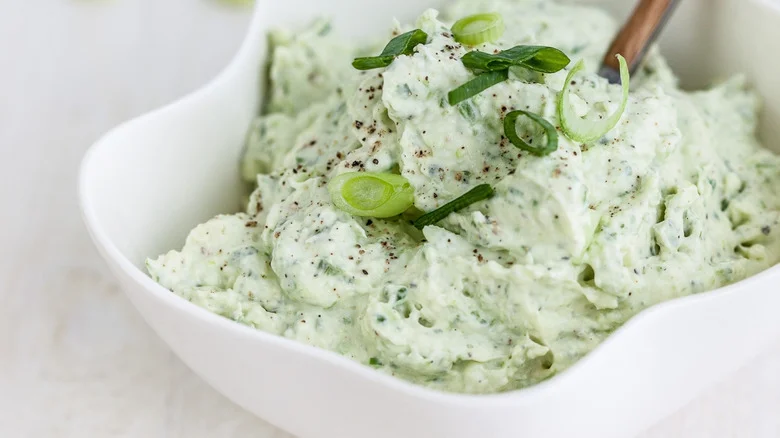
You can buy herbed cream cheese or mix your own. Garlic, onion and chives show up in some store-bought versions; at home, dill, basil, parsley or oregano offer more ways to tune the flavor. Garlic or onion powder can also give plain cream cheese a lift. It’s an unexpected spread for turkey that works with vegetables as well as the meat. Making it yourself gives you control over how pronounced the herbs taste, while a prepared version keeps the assembly quick. Either way, spread it evenly so the seasoning reaches the bread and filling instead of collecting in one rich patch.
Build beyond the basic sandwich
Herbed cream cheese leaves room for toppings with contrasting flavors and textures. Tomato is a natural pairing, and the combination can make a simple sandwich feel more like a composed meal. Its juiciness offsets the dense spread, while the cream cheese gives the tomato a savory backdrop. If you're assembling the sandwich ahead of time, consider how much moisture the toppings bring; keeping wetter ingredients between the turkey and spread can help the bread hold its texture.
For a warm, open-faced version, top the spread with turkey and thinly sliced red and yellow bell peppers sautéed in olive oil with green onions. The peppers bring sweetness and a softer bite, while the onions add another savory layer. It’s a useful format when you want the toppings to remain visible and the bread to carry the filling without turning the sandwich into a tall stack.
Food Network chef Tyler Florence offers another combination: cream cheese mixed with chives, tarragon and dill on crusty bread, topped with turkey, sliced strawberries and fleur de sel. Strawberries may sound like a sharp departure from the usual deli lineup, but fruit can play well against salty meat and a creamy base. The combination also shows how the spread can bridge ingredients with different flavor profiles. A little restraint helps here: the turkey and herbs still need to register alongside the fruit.
A panini press can crisp the bread and warm the filling, while a grilled cheese-style preparation gives the sandwich a different texture. Heat changes the experience: the bread firms up, the center softens, and the cream cheese becomes part of a warmer, more unified filling. If you're working with leftovers, this can make the sandwich feel like a new meal without calling for a new set of ingredients. Just keep an eye on the bread as it cooks; a pressed sandwich can go from golden to too dark quickly.
Why the spread works—and where it can go
The practical takeaway is simple: herbed cream cheese makes a flexible base, and the toppings can shift the sandwich from familiar lunch to something more distinctive. That flexibility is the appeal, but it also means the spread won’t solve every problem on its own. It can add richness and flavor; it can’t make limp bread crisp or compensate for toppings that overwhelm the turkey.
Think of the spread as a starting point, then choose one or two additions that give the sandwich a clear contrast. Fresh vegetables can add crunch and moisture, sautéed peppers make the filling warmer and sweeter, and fruit can introduce a brighter note. You don’t need to use every idea at once. A sandwich built around one strong pairing often feels more considered than one crowded with toppings.
And this is the part most people overlook: texture is doing as much work as seasoning. Smooth cream cheese, tender turkey and crisp bread form a different experience from the same spread on soft bread with juicy tomato. A toasted or pressed version changes the balance again. Small choices.
That said, the basic version remains practical. Prepared herbed cream cheese can simplify lunch, while plain cream cheese and pantry seasonings offer a way to adjust the flavor to what’s on hand. The herbs can follow the rest of the meal, too: dill and chives keep the profile fresh, while garlic and onion make it more savory. There’s no need to treat the recipe as fixed.
What this means for you is straightforward: start with the turkey and spread, then decide whether the sandwich needs crunch, warmth, sweetness or acidity. Herbed cream cheese gives mild turkey a more assertive partner, and the bread and toppings determine how far you take the idea. It’s a small adjustment with room to change the whole character of lunch.



Discussion
Sign in to join the discussion.