Swapping white spaghetti for whole wheat nearly triples the fiber per serving, with vegetables in the sauce adding another boost.
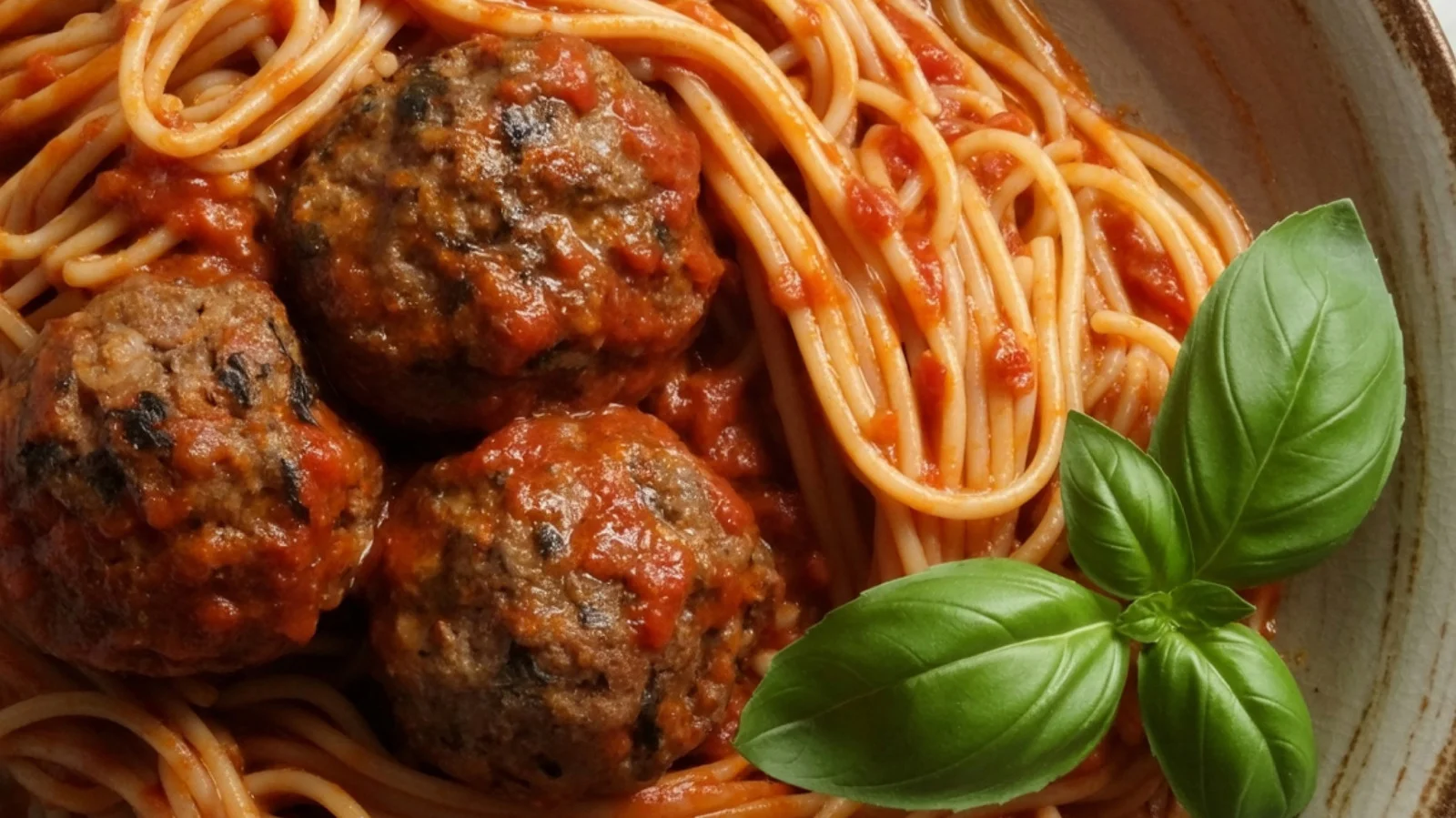
Changing the pasta is the simplest way to give spaghetti and meatballs a substantial fiber lift. A 2-ounce serving of whole wheat pasta has 7 grams of fiber, compared with 3 grams in the same amount of white pasta. That’s 4 additional grams from a swap that leaves the dish’s basic structure intact. The same serving also trims carbohydrates from 43 grams to 39 grams, a smaller difference than the fiber increase but one that may matter to cooks comparing the two options.
Those figures describe the pasta serving, not the finished plate, whose nutrition depends on the meatballs, sauce, and portion sizes. Still, the comparison gives home cooks a clear place to start: change one ingredient and keep the meal recognizable. This is more significant than it looks for anyone trying to make a familiar dinner more fiber-rich without rebuilding the recipe from scratch. The adjustment is simple enough to test in an ordinary batch of spaghetti and meatballs.
Why the pasta swap changes the meal
The nutritional difference comes from how the grains are processed. Whole wheat pasta retains more of the grain’s fiber, while pasta made with white flour has less. That distinction gives whole wheat spaghetti a different nutritional profile even when the serving size is the same. It also explains why choosing a different pasta can affect fiber without requiring a change to the meatballs or tomato sauce.
There’s a flavor difference, too. Whole wheat spaghetti has a nuttier taste, which can complement the savory meat and rich tomato sauce rather than compete with them. The texture may also feel different from the white pasta a diner expects, so the swap won’t be identical in every respect. But the dish still has its familiar components: pasta, meatballs, and sauce. Here’s the thing: practical nutrition changes tend to be easier to keep using when they fit into meals people already like.
If you’re working on a version of the dish for your own table, it makes sense to treat the pasta as the first adjustment and see how it works with your preferred sauce and meatballs. A familiar recipe can absorb a change more easily than a completely unfamiliar meal. That doesn’t mean every eater will prefer whole wheat spaghetti; taste and texture are personal. It does mean the fiber increase doesn’t depend on turning dinner into a different kind of dish.
Build more fiber into the rest of the dish
Whole wheat pasta is widely available from major brands and retailers, including Trader Joe’s. That availability makes the switch straightforward for cooks who want to compare it with their usual pasta. Fresh pasta is another route for people who enjoy making it at home, though it takes more preparation than opening a package. A whole wheat pasta recipe offers a starting point for that approach.
Meatballs can vary while the rest of the plate stays familiar. Traditional pork and beef meatballs remain an option, while alternatives such as French onion chicken meatballs bring a different flavor to the dish. For a plant-based version, eggplant balls put a fiber-rich vegetable at the center of the meal. These choices change more than the pasta does, so they’re better understood as ways to vary the dish rather than necessary steps in the fiber swap.
Tomato sauce already contributes some fiber, and vegetables can add more variety to the meal. One option is to begin with a mirepoix or Italian soffritto, which brings vegetables into the sauce’s base. Cooks can also stir baby spinach or chopped kale into the sauce just before serving. The amount and effect will depend on how much is added and how the sauce is prepared; the article’s clearest quantified change remains the pasta itself.
And yet, adding vegetables isn’t just a numbers exercise. They can broaden the flavor and texture of a sauce while keeping its role in the meal intact. A leafy green stirred in near the end will be more noticeable than a vegetable cooked into the base. Pick the approach that suits the people eating dinner. A modest addition that gets used again may be more useful than an ambitious one that doesn’t fit the household’s habits.
What the change means for the finished plate
The practical takeaway is that whole wheat spaghetti makes the biggest single difference described here, while vegetables can build on that change without taking the dish far from its familiar character. The increase from 3 grams to 7 grams of fiber per 2-ounce serving is specific to the pasta comparison. It shouldn’t be treated as a full nutrition estimate for a plate of spaghetti and meatballs, since the rest of the ingredients and serving sizes also count.
For cooks, that distinction is useful. Start with the pasta if the goal is to make one clear change, then decide whether the sauce or meatballs need adjusting for flavor, texture, or variety. You can keep pork or beef meatballs, try chicken, or make eggplant balls; each choice leads to a different version of the meal. No single combination is required to make the pasta swap work.
One small tradeoff: whole wheat’s nuttier flavor may be welcome with tomato sauce, but it won’t taste exactly like white pasta. That’s a matter of preference, and the easiest way to judge it is to serve the dish as you normally would. (And this is the part most people overlook.) The sauce and meatballs are still doing much of the familiar comfort-food work, so a different pasta doesn’t automatically mean a different dinner experience.
For a simple starting point, keep the recipe steady and change the spaghetti. Then add spinach, kale, or a vegetable base if those flavors suit the dish. More fiber, with the meal still recognizable.



Discussion
Sign in to join the discussion.