Explore crunchy alternatives like Parmesan crisps, tortilla chips, lentil chips, and pita chips, with options for dips, toppings, and homemade snacks.
The 12 Best Potato Chip Alternatives That Still Deliver a Crunch
Potato chips have a tough combination to beat: salt, crunch, and the kind of easy snacking that works between meals or alongside lunch. But the potato isn’t doing all the work. Other ingredients can bring the same crisp, satisfying bite, and some alternatives offer more protein or fiber.
That tradeoff deserves a closer look. “Alternative” doesn’t automatically mean healthier, and nutrition varies by product. The appeal here is variety: some options are made for dips, some are sturdier enough for toppings, and others are easy to bake at home. Here are several ways to change up your snack routine.
Parmesan crisps
If you want a salty crunch with a short ingredient list, Parmesan crisps make a strong case. You can make them at home or buy them ready-made. For a homemade batch, grate fresh Parmesan, spoon small mounds onto a baking sheet with room between them, and bake until the cheese spreads into crisp, golden rounds.
They’re low in carbohydrates, high in protein, and suitable for a keto diet. Plain Parmesan has plenty of flavor, but herbs, everything bagel seasoning, or red pepper flakes give the crisps a little more personality. Make a batch ahead, too: they’ll keep for up to three weeks.
Corn tortilla chips
Corn tortilla chips are a familiar choice, and their sturdy crunch makes them especially useful when a snack has to carry a dip or a pile of toppings. Their relatively neutral flavor works with creamy guacamole, spicy chili, and nachos alike.
They start with corn that’s cooked and soaked with lime, then ground into dough. The dough is flattened, cut into triangles, dried, and deep-fried. That process gives tortilla chips their distinctive bumpy surface and a firmer bite than most potato chips, so they’re less likely to break under a scoop of dip.
There’s more to them than dipping. You can find other uses for leftover tortilla chips: stir them into soup to thicken it, crush them for meat breading, or scatter them over a salad for extra crunch.
Lentil chips
Lentil chips are worth considering if you’re looking for a snack with a different nutritional profile. They’re made from lentil flour, sometimes blended with corn flour, rice flour, or potato starch. The result is usually light and crisp, with a mild earthy note. Packaged versions are easy to find in flavors ranging from sea salt to barbecue.
They’re typically higher in protein and lower in fat than potato chips, and some varieties also contain more fiber. Check the label if those differences matter to you; recipes vary. Lentil chips work for eating by the handful, packing in a lunchbox, or serving with a creamy dip.
Pita chips
Pita chips have a thicker, more cracker-like crunch than potato chips, which makes them a good match for hearty dips and spreads. Their toasted, mild flavor also suits Mediterranean favorites such as creamy hummus, baba ganoush, and tzatziki.
They’re usually made by cutting wheat-based pita bread into wedges or squares, coating the pieces with oil, and baking them until crisp. Store-bought options are convenient, but homemade pita chips let you choose the seasoning. Try paprika, cumin, chili powder, garlic powder, or grated Parmesan. They’re also a practical way to use leftover pita, and a natural fit for charcuterie boards, grazing platters, and game day spreads.
Plantain chips
Plantain chips bring a different kind of flavor: salty seasoning against the plantain’s earthy sweetness. That combination makes them a good base for spices, and they’re easy to find in grocery stores and health food shops. Plantains also provide potassium and vitamins C and A.
For a homemade batch, slice unripe green plantains into thin rounds, pat them dry, and fry them in hot oil. Season the crisp slices with salt, cayenne and paprika, or try Tajín or barbecue seasoning for a sharper or smokier finish. A coating of sugar and cinnamon turns them into a sweet snack instead.
Crispy seaweed
By Catherine Brookes · Oct. 23, 2026, 9:20 a.m. EST
Crispy seaweed
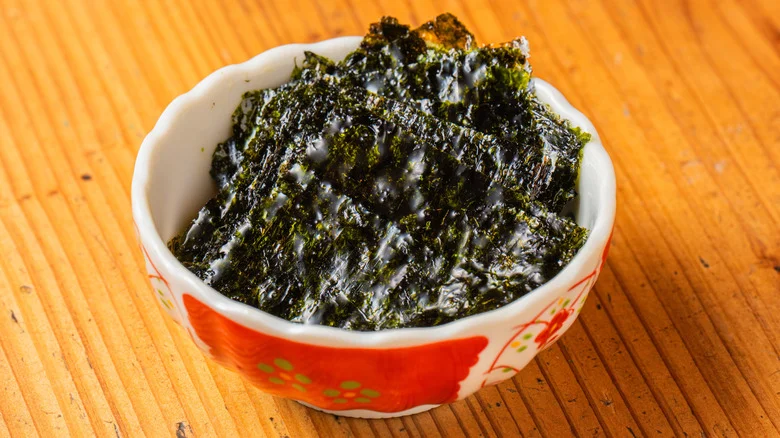
Seaweed is the lightest, most savory option here. Those crisp, brittle sheets bring a strong salty, umami taste, though they’re a poor match for dipping. Snack on the small pieces straight from the bag, or crumble them over rice bowls, salads, and soups. Larger nori sheets, of course, can still wrap sticky rice and fresh fillings.
To make the snack, seaweed is minced, blended, pressed into thin molds, then dried and roasted. Sea salt is common; wasabi and sweet chili are among the bolder coatings. Crispy seaweed is low in fat and contains antioxidants, iodine, and tyrosine, nutrients associated with healthy thyroid function.
Rice crackers
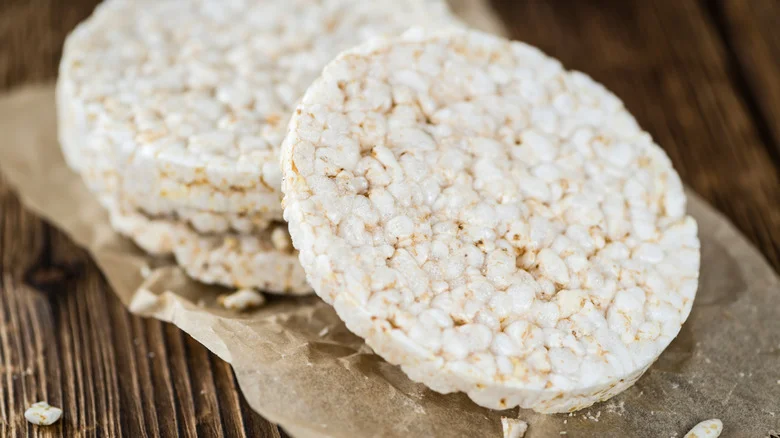
Rice crackers deliver a loud crunch without the weight of a fried chip. Plain versions, often finished with sea salt, taste mild; chocolate, caramel, ranch, and chili coatings take them in sweeter or more savory directions. You’ll find small crackers for snacking and broad, flat rounds that can carry toppings.
They’re usually made by puffing rice and pressing it into discs. Some recipes instead mix puréed cooked rice with oil and salt, cut the mixture into rounds, and bake them. That’s a straightforward route if you want to make the crackers from scratch. Because rice crackers aren’t deep-fried, they’re generally lower in fat than potato chips.
Eat them plain or make a more filling snack: try cream cheese with avocado or smoked salmon, or peanut butter with banana and honey.
Roasted chickpeas
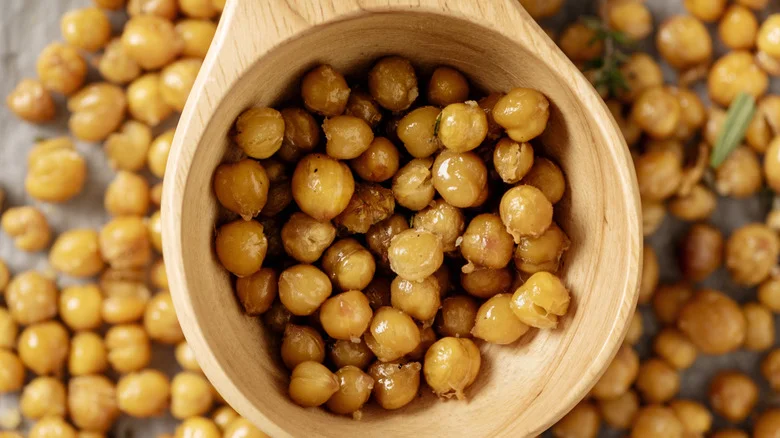
For a snack with more staying power, roasted chickpeas bring both fiber and protein, along with a nutty flavor and crisp, golden shells. Buy them ready-made or roast your own in the oven or air fryer; homemade batches are simple, usually cheaper, and easy to season to taste.
Drain and rinse canned chickpeas, dry them thoroughly, then toss with olive oil and salt. Roast until crisp, and add seasonings while they’re still hot: smoked paprika, garlic powder, cumin, and curry powder all work. Eat them by the handful or scatter them over soup and salad.
Cassava chips
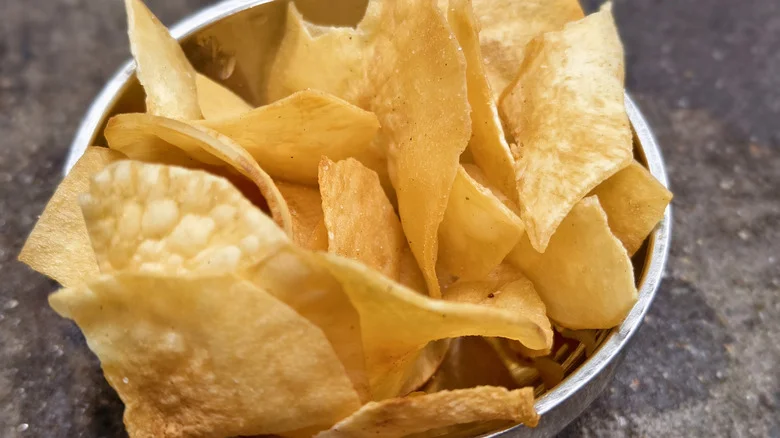
Cassava, also called yuca, can make a convincing potato-chip stand-in. Its slices fry up firm and crunchy, with a mild, earthy flavor that takes well to a range of seasonings. Cassava also contains resistant starch, which has been linked to improved digestive health.
Store-bought bags are convenient, but homemade chips take about 15 minutes to prepare: peel the root, slice it thinly, dry the rounds, then fry until golden. Their dense structure makes them sturdy dippers, whether you choose creamy ranch, garlicky aioli, or cheesy corn dip.
Eggplant chips
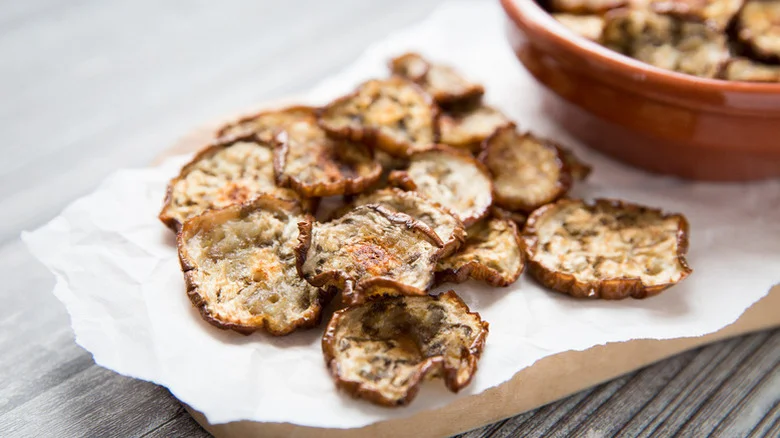
Eggplant chips are uncommon in stores, so this is one for the home cook. Baking makes them a lighter option than deep-fried chips, and eggplant supplies antioxidants, potassium, and manganese. Japanese eggplants are particularly useful: they’re narrower, less watery than globe eggplants, and easier to cut into evenly sized rounds that crisp faster.
Slice them thinly with a mandoline, toss with oil, garlic powder, salt, and pepper, then roast until browned and crisp. The finished chips are good with zesty hummus, whipped feta, or creamy spinach dip; the recipe is here if you want to make eggplant chips at home.
Zucchini chips
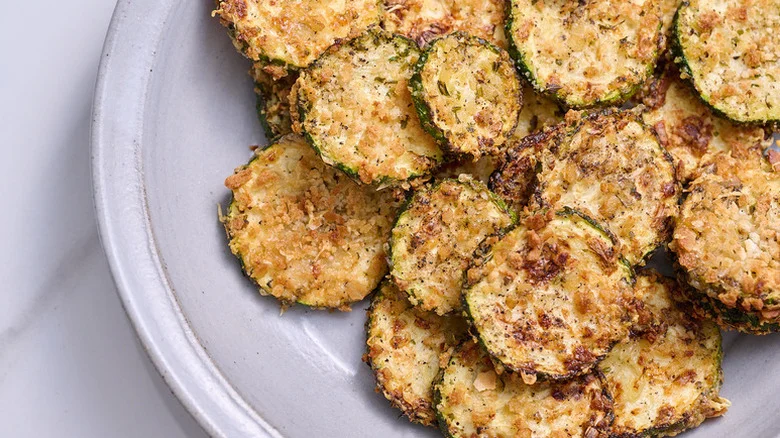
Zucchini is famously watery, which makes crisp chips a small kitchen challenge. Still, this vegetable offers vitamins A, C, and K, plus potassium and magnesium, and its shape makes uniform rounds easy to cut. Ready-made versions can be hard to find, but you can make your own.
Cut the zucchini about ⅛ of an inch thick—using a mandoline helps—then coat the slices with oil and seasoning and bake or air-fry until crisp. For a cheesier crunch, add a coating of Parmesan breadcrumbs using this recipe. Serve with herby tzatziki or warm marinara, or use the chips as a side for grilled meat or fish and as a topping for grain bowls.
Sweet potato chips

Sweet potato chips are the closest thing here to a familiar potato-chip experience, with an earthy sweetness and vivid orange color that make them stand out. They also contain more fiber and vitamin C than white potatoes. Store-bought bags are easy to find, but making them at home gives you room to tune the seasoning.
Slice the potatoes thinly, toss with oil, and try chili and lime, chopped herbs, garlic powder, or lemon pepper before baking. For a sharper sweet-savory finish, stir garlic, maple syrup, and lime into mayonnaise for a dip. A chili-lime recipe offers one place to start.



Discussion
Sign in to join the discussion.