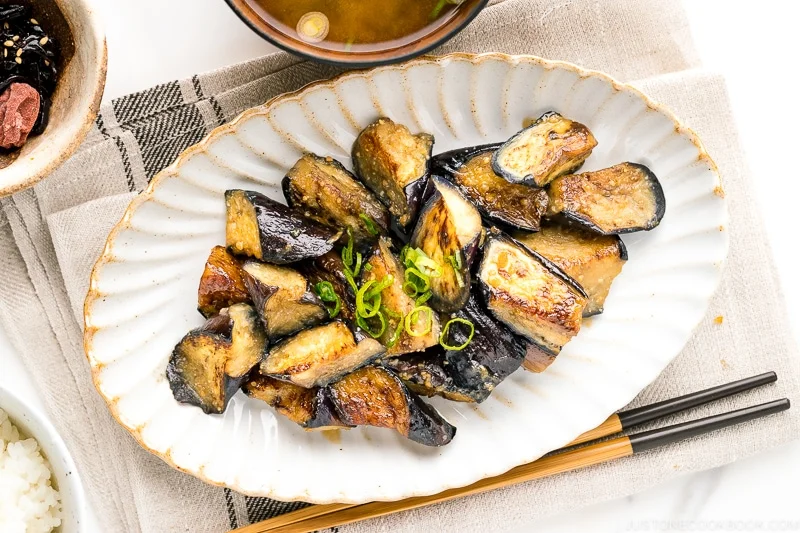
Miso Eggplant Stir-Fry captures the heart of Japanese cuisine with its quick, flavorful preparation, emphasizing tender eggplant and a vibrant miso glaze.
Understanding Miso Eggplant Stir-Fry
Miso Eggplant Stir-Fry is more than just a dish; it's a glimpse into the heart of Japanese home cooking, embodying the simplicity and depth of the cuisine in a mere 20 minutes. This recipe features the delicate Japanese eggplant, or _nasu_ (茄子), which melds beautifully with a glossy, sweet-savory miso sauce. The quick cooking method not only enhances the flavor but also preserves the eggplant's tender texture, making it an excellent accompaniment to rice, grilled meats, or as part of a bento spread.
What's striking about this dish is its use of pantry staples to create layers of flavor. The rich miso-ginger coating is applied at the end, allowing for a brief glaze that infuses the eggplant without burning. This approach not only brings out the dish's vibrant taste but also reflects a thoughtful culinary technique that resonates with both novice home cooks and seasoned chefs.
Why This Dish Stands Out
If you're in the world of culinary arts, you might appreciate unique preparations that maximize flavor while minimizing effort. Here’s what makes Miso Eggplant Stir-Fry compelling:
- **Choosing the Right Eggplant**: Japanese and Chinese eggplants stand apart from their globe counterparts, as their thinner skin and fewer seeds mean they cook more evenly and absorb flavors more effectively. This balance is crucial for achieving that tender, silky texture that makes each bite satisfying.
- **The Art of Cutting**: Utilizing the _rangiri_ cut—angled and irregular chunks—allows for greater surface exposure and faster cooking. This technique is not merely aesthetic; it significantly enhances how the sauce clings to each piece, creating a more harmonious bite.
- **Quick Sauce Application**: The final treatment of miso in the cooking process requires just 30 to 60 seconds. This method cleverly avoids the risk of overcooking, ensuring that the sauce maintains its signature sweetness without turning bitter.
Reader Reception
Feedback from those who have tried the recipe seems overwhelmingly positive. One reader shared, “I made this last night with freshly harvested Japanese eggplant from my CSA and white miso from Trader Joe’s. It was quick, simple, and very delicious.” This kind of reader interaction is crucial; it highlights both the accessibility and effectiveness of the recipe, fostering a community of home cooks eager to explore Japanese flavors.
A Personal Connection to the Dish
As the recipe creator reflects on her relationship with eggplant, it becomes clear that this stir-fry is more than a culinary event—it's a familial tradition. There’s a nostalgic element at play here, and it underlies the recipe's appeal: even if some may not have initially enjoyed eggplant, preparing it with care likely leads to newfound appreciation. If you’re a parent or caregiver, this sentiment resonates, as it’s common to wonder whether children might one day share the same tastes.
For those interested in expanding their repertoire, consider exploring other dishes, such as Miso Pork and Eggplant Stir-Fry or Japanese Lotus Root Stir-Fry, all of which showcase the versatility of miso and these tender veggies.
If you’re ready to give this dish a try, you can find the **printable recipe** down below. It’s a straightforward route to bringing a delicious taste of Japan to your dinner table.
Crafting the Miso Sauce
Start by grating fresh ginger using a ceramic grater. This method enhances the flavor without creating large fibrous pieces. Combine the grated ginger in a small bowl with miso, sake, mirin, and soy sauce. Whisk until the mixture achieves a smooth, homogeneous consistency. This sauce is where the magic happens, infusing the dish with a delightful umami character that perfectly complements the eggplant.
Preparing the Eggplant
For optimal texture and flavor, cut the eggplant into manageable, bite-sized pieces. Employ the rangiri technique—make a quarter turn with the eggplant after each cut. This technique creates irregular wedges which increases the surface area, promoting better absorption of the flavorful miso sauce later on.
Searing the Eggplant
In a skillet, heat a blend of neutral and sesame oils over medium heat. Once warm, add the cut eggplant and sear it, allowing each piece to brown and soften for about 1½ to 3 minutes per side. You want that golden color to develop; it’s an essential step for depth of flavor. Be mindful that eggplant tends to absorb oil quickly, so don’t be tempted to add more during cooking, as this can lead to a greasy final dish.
Glazing and Serving
At this point, pour in your freshly whisked miso sauce. Gently shake the pan to ensure every piece of eggplant gets coated. This brief cooking allows the glaze to thicken and adhere to the eggplant, enhancing both flavor and presentation. When the sauce reaches the desired consistency, remove the skillet from the heat. A sprinkle of freshly sliced green onions on top not only adds color but also a fresh burst of flavor that balances the richness of the dish.


The conclusion of this article not only underscores the growing relevance of the Miso Eggplant Stir-Fry within culinary circles but also serves as a reminder of just how accessible and rewarding home cooking can be. The recipe garnered an impressive average rating of 4.7 out of 5 stars from 65 voters, reflecting its popularity and perhaps its success in striking a chord with those seeking quick yet flavorful meals.
If you're active in food publishing or simply passionate about cooking at home, this dish stands out for its simplicity and speed. With only 20 minutes needed from prep to plate, it offers an excellent option for busy individuals who still want to enjoy a healthful, satiating dinner. The straightforward nature, coupled with ingredients that are likely already in your pantry, makes this a compelling choice for anyone wanting to elevate their midweek dining.
It's also a powerful illustration of how modern recipes can transcend cultural boundaries. Miso, a staple in Japanese cuisine, is not just for traditional dishes anymore—it's adaptable, allowing room for creativity while maintaining authenticity. As you consider the changing dynamics of food trends, this dish exemplifies a blend of convenience and heritage, making it more than just a meal; it's a culinary statement about easy yet vibrant home cooking.
In conclusion, recipes like the Miso Eggplant Stir-Fry don’t just feed our stomachs—they feed our desire for community and connection through food. As we continue to explore global cuisines, keep an eye on how dishes like this one can reshape our everyday cooking experiences while allowing us to embrace diverse flavors with minimal effort.



Discussion
Sign in to join the discussion.