Thinly sliced potatoes can stand in for lasagna noodles in a gluten-free bake, no pre-boiling needed. Here's what changes in flavor, texture, and label-checking.
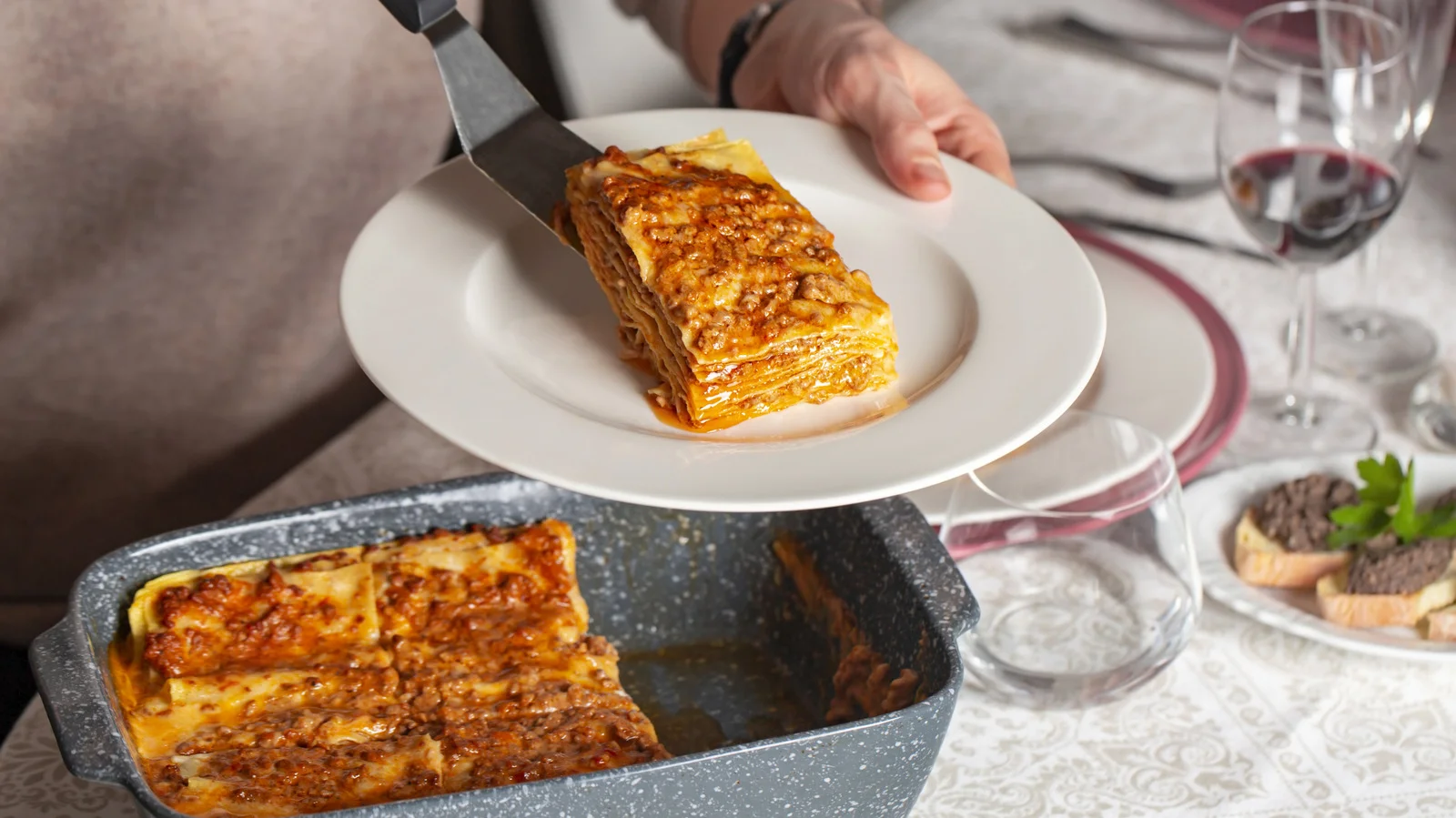
Skip the gluten-free noodle aisle for a night. Potatoes are naturally gluten-free, they're probably already in your pantry, and they can take the place of lasagna sheets with almost no prep. That's a bigger deal than it sounds. Gluten-free pasta is often pricey, it cooks unevenly, and it has a habit of turning mushy the moment you look away from the pot. A potato sliced thin sidesteps all of that, and you don't need a special shopping trip to try it.
Why potatoes work where the noodles would go
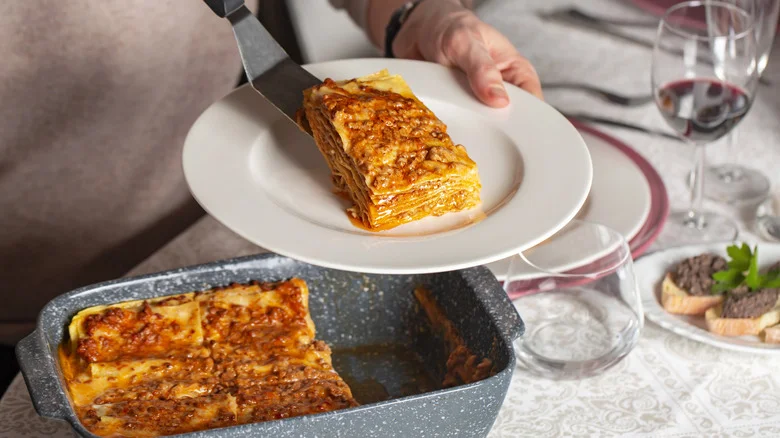
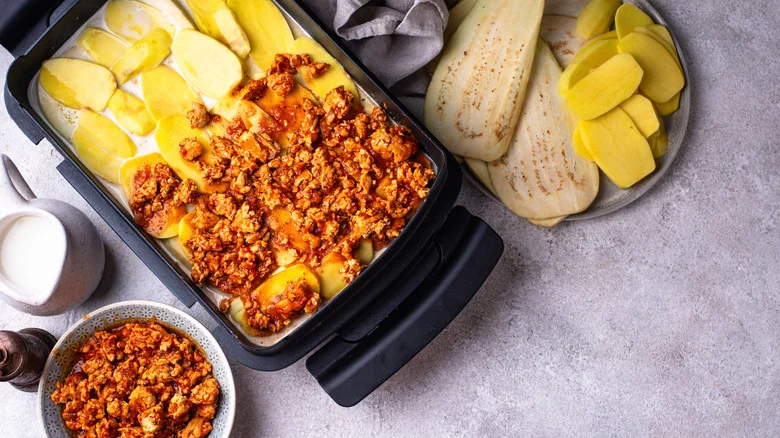
The trick is the slicing. Cut the potatoes thin enough and they bend and settle into layers the way pasta sheets do. If you've ever pulled a lasagna from the oven only to watch it slide apart on the plate, you already know why structure matters more than anything else in this dish. You don't boil them first. They go into the oven raw, soften as the dish bakes, and turn tender in the same window the noodles would. That makes the swap work with nearly any lasagna recipe, including a classic bolognese. My bet is that the knife work matters more than the variety of potato, so don't overthink which one you grab.
What the dish actually tastes like
Potatoes are mild, so they don't compete with the sauce. Thin slices also soak up tomato and meat juices, which means every layer carries flavor rather than sitting on the side as a bland filler. (And this is the part most people overlook: the potato is basically a sponge, so the sauce you choose matters more here than it does with dry pasta.) Texture is the real difference. Cooked potato is soft and yielding, close to a noodle, but the dish reads heartier. My read is that it lands somewhere between lasagna and a cheesy potato gratin, with layers that still hold their shape when you cut into them. Beef, sausage, or both work well between the tiers.
Watch the labels, not just the noodles
Swapping the pasta doesn't guarantee a gluten-free result. Gluten turns up in ingredients you wouldn't expect, so read every label, including the jarred sauce and any seasoning blends. Packaging matters too. A sauce made from gluten-free ingredients can still pick up cross-contact if it's processed in a facility that handles wheat. If you're cooking for someone with celiac disease, this step isn't optional, and a quick check at the store beats a bad night later. Products clearly marked "gluten-free" are the safer bet, and it helps to understand the difference between gluten-free and gluten-friendly labeling before you shop.
Where to take it from here
The potato base is flexible enough to take upgrades. Stir some diced gluten-free chorizo into the sauce for extra heat and a bit of bite. Or go meatless and build the layers with broccoli, sliced eggplant, julienned carrots, or peas. The vegetables add color, texture, and fiber, and they're gluten-free by nature. Vegetables do release water as they cook, so pat the slices dry or the top layer can turn soggy. For a richer, cheese-free finish, a gluten-free béchamel can bind the layers together and keep the top golden. Potato lasagna is a good template, and the next step is seeing which fillings you'd keep.
What this swap says about gluten-free cooking
Here's what I find interesting about this recipe. It doesn't try to imitate pasta so much as step around it. Plenty of gluten-free cooking has focused on finding a near-perfect replacement for wheat, and those replacements are often where the frustration sets in. A potato lasagna takes the opposite approach: it uses an ingredient that was never wheat in the first place and builds a dish around what it does well. That's a more practical way to think about the problem, and it's one most home cooks could apply to other recipes.
Substitutions like this one tend to stick when they're cheap, forgiving, and require no new equipment. Potatoes check all three boxes. I'd expect more home cooks to reach for this kind of workaround than to buy specialty ingredients for every recipe. That's a reasonable prediction, not a certainty, and it depends on whether people find the results good enough to repeat.
Still, the swap has limits. It won't fix a label problem, and it won't make a dish safe for someone with a serious sensitivity by itself. What it does is shift the focus. The question stops being "which gluten-free noodle is least bad?" and becomes "what does this dish need?" If you're working in this space, that's a useful shift, and it's the part of this recipe I'd carry into the rest of your cooking.
Less fuss. Same dinner.



Discussion
Sign in to join the discussion.