Part-skim mozzarella packs far more calcium per cup than milk, but moisture loss and limited absorption complicate the comparison.
The headline claim
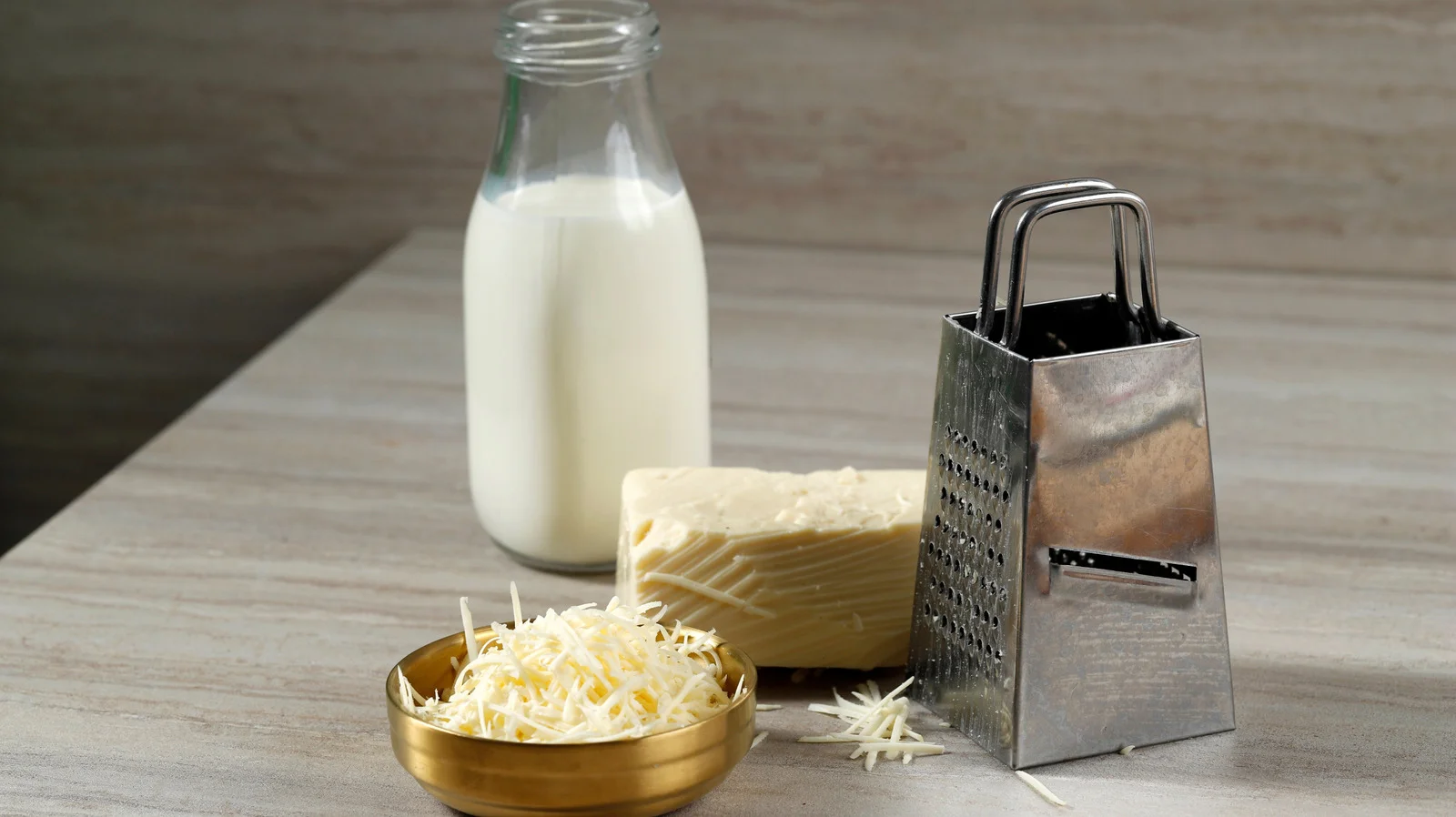
Calcium's job is well documented: it keeps bones strong and supports nerve and muscle function. Most people reach for a glass of milk to fill the gap, but a cup of part-skim mozzarella delivers far more of the mineral. Per cup, the cheese wins by a wide margin.
That sounds like a party trick, and I'd have bet against it before checking the figures. Milk has carried the calcium reputation for decades, so a cheese beating it feels like someone flipped the script. It isn't a trick, though. Once you know what's in each product and how each one gets measured, the result is fairly predictable.
Nobody is arguing about whether you need calcium. The real question is where you get it efficiently, and that's a narrower question than most food headlines admit.
Reading the serving sizes
The National Institutes of Health recommends 1,000 milligrams of calcium daily for adults aged 19 to 50. That's the benchmark most nutrition labels are built around, and it's useful because it turns a vague goal into a number you can track. Against it, a single cup of anything is a partial answer, not a full one.
Fat content matters here, since higher-fat dairy tends to carry less calcium. That's the detail that trips people up. Full-fat products feel richer, so it's easy to assume they're more nutritious across the board, but the mineral doesn't follow the fat. A cup of nonfat milk holds 316 milligrams, while whole milk with 3.25% milkfat provides 276. A one-ounce serving of part-skim mozzarella delivers 207 milligrams.
Notice what that last figure means. An ounce of cheese beats an ounce of milk by a wide margin, so the cup comparison isn't a trick of measurement. (and this is the part most people overlook) the cheese holds up even when you weigh it. Cheese is simply denser in calcium than milk, cup for cup and ounce for ounce.
Volume versus weight
Measure by volume and the gap widens. A dry cup of part-skim mozzarella contains 826 milligrams of calcium, more than two and a half times the amount in a liquid cup of nonfat milk. Measuring correctly matters, because a cup of shredded cheese and a cup of liquid are very different masses.
This is where a lot of the confusion starts. A cup is a unit of volume, and volume means very different things for a liquid and a shredded solid. Shreds trap air between them, so the same cup holds a different amount of cheese depending on how loosely it's filled. If you're using these numbers to plan meals, you'll want to know what you're actually scooping.
Pure weight is the cleaner comparison. It strips out the packing question entirely and tells you what you're really eating.
Why mozzarella outpaces milk
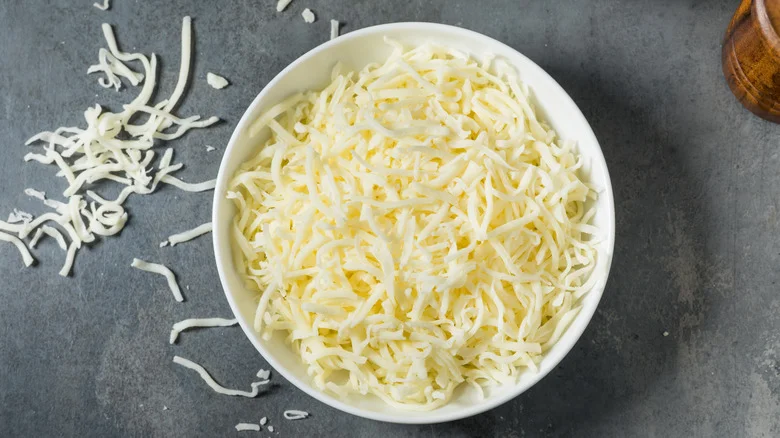
Here's the thing: the answer is mostly water. The calcium in a dairy product depends partly on its moisture content, and removing water during cheesemaking concentrates the mineral. Milk is mostly liquid, so its minerals are spread thin across a lot of weight. Cheese is essentially what's left after much of that water is pressed out.
The drier the final product, the denser the calcium. Hard cheeses take this furthest. Parmesan, one of the most nutrient-dense cheeses, has 314 milligrams per one-ounce serving. Softer, wetter part-skim mozzarella needs about 1.5 ounces to match that figure. That's a useful reminder that "cheese" isn't one food from a nutrition standpoint.
Weigh milk instead of measuring it, and the picture shifts. Eight fluid ounces of milk weighs about 8.6 ounces, which works out to roughly 36.7 milligrams of calcium per ounce by weight. That's the yardstick that matters if you're comparing foods on equal masses. By that measure, milk looks a lot less impressive than its reputation suggests.
Calcium also shapes the cheese itself. It helps curds stretch, giving mozzarella its signature texture. Too much, though, and the cheese won't melt as well. Pizza makers chase that balance for a reason, and it's a neat example of a nutrient doing double duty as a structural ingredient.
Where the trade-offs show up
Mozzarella isn't a clean win on every metric. Skim milk carries 4.9 milligrams of cholesterol and 129.85 milligrams of sodium per 8-ounce serving. Part-skim mozzarella has 15.31 milligrams of cholesterol and 149.69 milligrams of sodium per ounce, so the comparison depends on how you portion it.
Those figures aren't directly comparable, and that's the point. One is per 8-ounce serving and the other is per ounce, so a quick glance can mislead you. Scale the cheese up to a full cup and the sodium picture changes fast. Read the portion size before you draw conclusions.
The bigger catch is absorption. Nutrition labels count total calcium and ignore bioavailability. Dairy foods land around 30%, which means that of 300 milligrams in a serving, your body takes in only about 100. Mozzarella wins on raw calcium per cup, but treat the label as a ceiling, not a promise.
What this means for your plate
If you're planning meals around calcium, the takeaway isn't that cheese replaces milk. It's that the label number is a starting point, not a finish line. Raw calcium tells you what's in the food. It doesn't tell you how much of it you'll actually use.
What this means for you is simple: check the serving size, check the measurement method, and remember the absorption gap. Cheese can be a dense source, and it's a reasonable option for people who don't drink much milk. It's not a magic swap, and I'd read this as a useful correction to a habit rather than a reason to overhaul your diet.
The wider issue is how nutrition gets reported. Labels are good at totals and weak at context, and most readers won't do the volume, weight, and absorption math on their own. That gap between what a label says and what you absorb is worth keeping in mind the next time a food promises more of anything.
Not a miracle. A better-informed starting point.



Discussion
Sign in to join the discussion.