Spirits experts recommend six vodkas with distinctive flavors and textures, from rye spice and rice sweetness to creamy vanilla and white pepper.
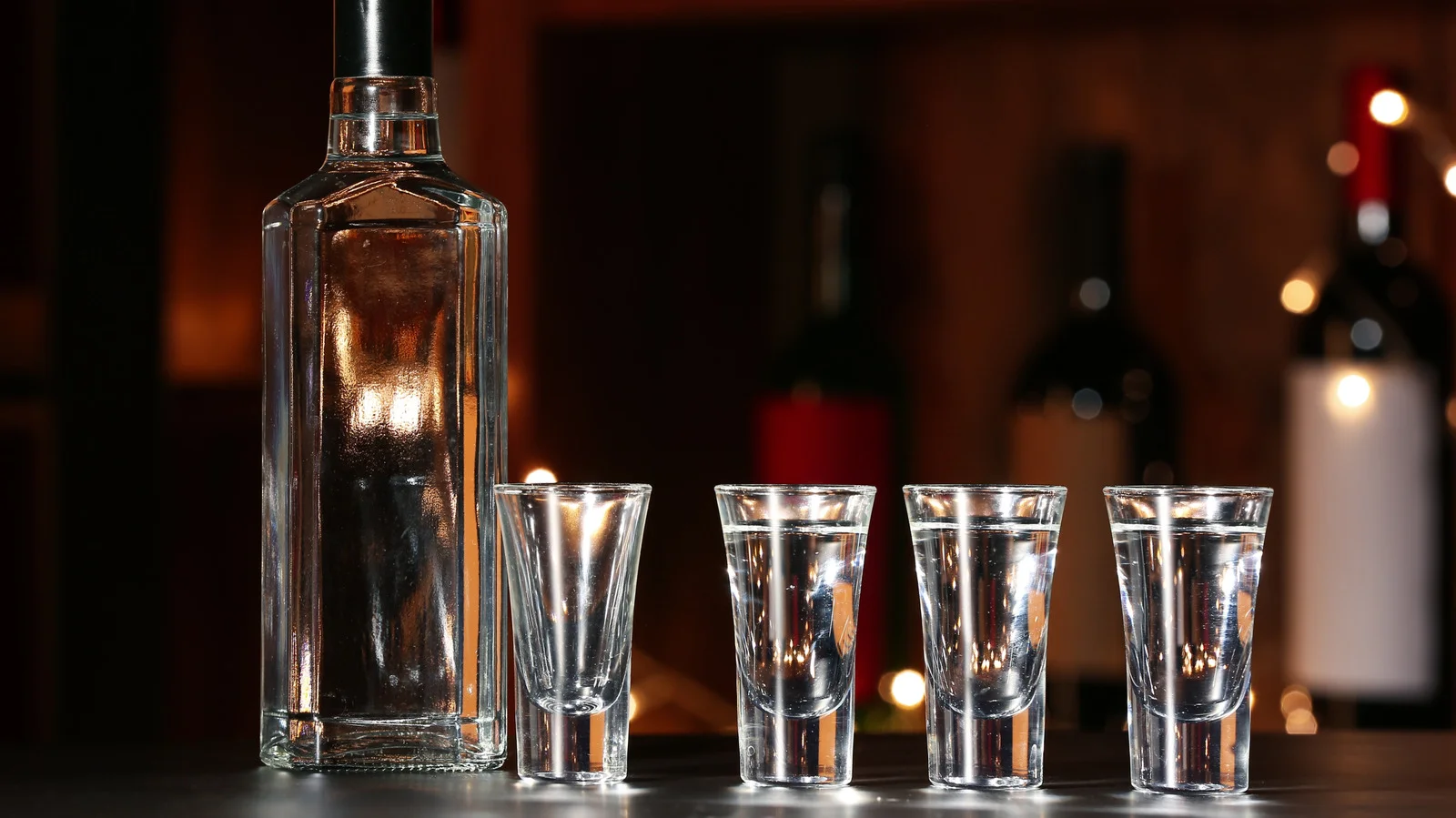
Vodka’s reputation as a mixer can obscure what makes a good bottle worth drinking on its own: texture, aroma and flavor that stand up without a cocktail around them. That’s the case made by six drinks professionals and spirits experts interviewed for this list. They each named bottles they enjoy neat or over ice, even when those same vodkas also work well in cocktails.
The selections range from rye and rice to agave, so “smooth” doesn’t mean flavorless here. If you’re used to vodka mainly as a base for mixed drinks, the more interesting question is what each ingredient brings to the glass.
High Ground Vodka
Minden Mill Distilling makes High Ground Vodka in a former flour mill in Minden, Nevada. The town was founded in 1906, when its businesses included a railroad, general store, lumberyard, stockyard, creamery and flour mill. A century later, that mill had become a distillery. Nevada’s rules for estate vodka require most of the ingredients to be grown in the state on land controlled by the distillery. High Ground uses rye grown on its estate and spring water sourced from Sierra Mountain snowmelt. Christopher Carrillo, food and beverage supervisor at Maréla in Healdsburg, likes the result for its restrained rye spice and smooth profile, which give it more character than a neutral vodka.Haku Vodka
Potatoes are often associated with vodka, but Haku starts with 100% Japanese white rice. The name “haku” roughly translates to “white” in Japanese; white rice is prized for its subtle sweetness and was historically reserved in Japan for worship and royalty. Suntory Global Spirits ferments the rice and distills it twice. The first distillation takes place in Kagoshima, known for its rice spirits; the second happens at Suntory Liquor Atelier in Osaka. Bamboo charcoal filtration removes many of the spirit’s impurities. Emma Rice, bar director at North of Bourbon in Louisville, describes Haku as floral and citrusy, with a slight creamy note. She usually puts it in cocktails, but says it holds up neat, too. For a mixed drink, she recommends citrus-forward flavors that echo the vodka’s own citrus character.Belvedere Organic Vodka
Belvedere drew recommendations from several experts. It’s made in Poland at the country’s longest-operating vodka distillery, using 100% organic rye. Polish law requires vodka made in the country to use Polish grains or potatoes and to be produced within Poland; Belvedere meets both requirements. Its distillers also follow a tradition the brand traces back 600 years. Jade Bar mixologist Jay Kurtz says Belvedere has a velvety, slightly creamy body, with hints of vanilla and white pepper. He often chooses it when drinking vodka on its own, served straight from the freezer. Mia Mastroianni, a frequent “Bar Rescue” consultant, appreciates the complexity those notes add. OKANA Resort beverage director Tunahun Ozdemir finds a little more spice, softened by the vodka’s texture. He recommends it neat and slightly chilled. Belvedere has also appeared on Tasting Table’s list of best vodka brands.Weber Ranch Vodka
Weber Ranch begins with blue Weber agave grown in Jalisco for about seven years. After harvest, the agave crosses the border to Muenster, Texas, where it’s combined with water from the Trinity Aquifer and distilled by Antonio Rodriguez, who has nearly 20 years of experience making spirits. The name honors Frédéric Albert Constantin Weber, the French botanist who encountered the agave during an expedition to Mexico in 1902. Entertainment expert Paul Zahn enjoys the roasted agave and pineapple notes, and says they make the vodka versatile enough to drink straight or use in cocktails. Agave may bring tequila to mind, but here it gives vodka a distinctly different flavor profile.Grey Goose
Three experts picked Grey Goose for its flavor and mouthfeel. Made in France, it starts with winter wheat from Picardie, a region known for the crop, and is blended with limestone-filtered spring water from the brand’s well in Cognac. The vodka is distilled once, a choice intended to preserve its characteristic flavor and texture. Mastroianni, Ozdemir and Kurtz all value those qualities. [Drink](/category/beverage-guides/) · [Cocktails and Spirits](/category/cocktails-and-spirits/)
By [Jennifer Richmond](/author/jenniferwesterland/) · Nov. 9, 2026, 11:20 am EST
[Cooking with vodka](https://www.tastingtable.com/1145409/tips-you-need-when-cooking-with-vodka/) · [Maréla](https://www.marelahealdsburg.com/) · [Jade Bar](https://www.sanctuaryaz.com/dining/jade-bar) · [OKANA Resort](https://www.okanaresort.com/) · [North of Bourbon](https://www.northofbourbon.com/) · [Vodka made from potatoes](https://www.tastingtable.com/910348/is-vodka-really-made-from-potatoes/) · [Best vodka brands](https://www.tastingtable.com/893934/the-absolute-best-vodka-brands-ranked/) · [Grey Goose bottle guide](https://www.tastingtable.com/890611/grey-goose-vodka-the-ultimate-bottle-guide/)
The source fragment ends partway through the Grey Goose discussion.

Discussion
Sign in to join the discussion.