Coating bacon in flour before frying or baking creates a crisp, crackly crust. Spices, buttermilk and sweet toppings offer easy variations.
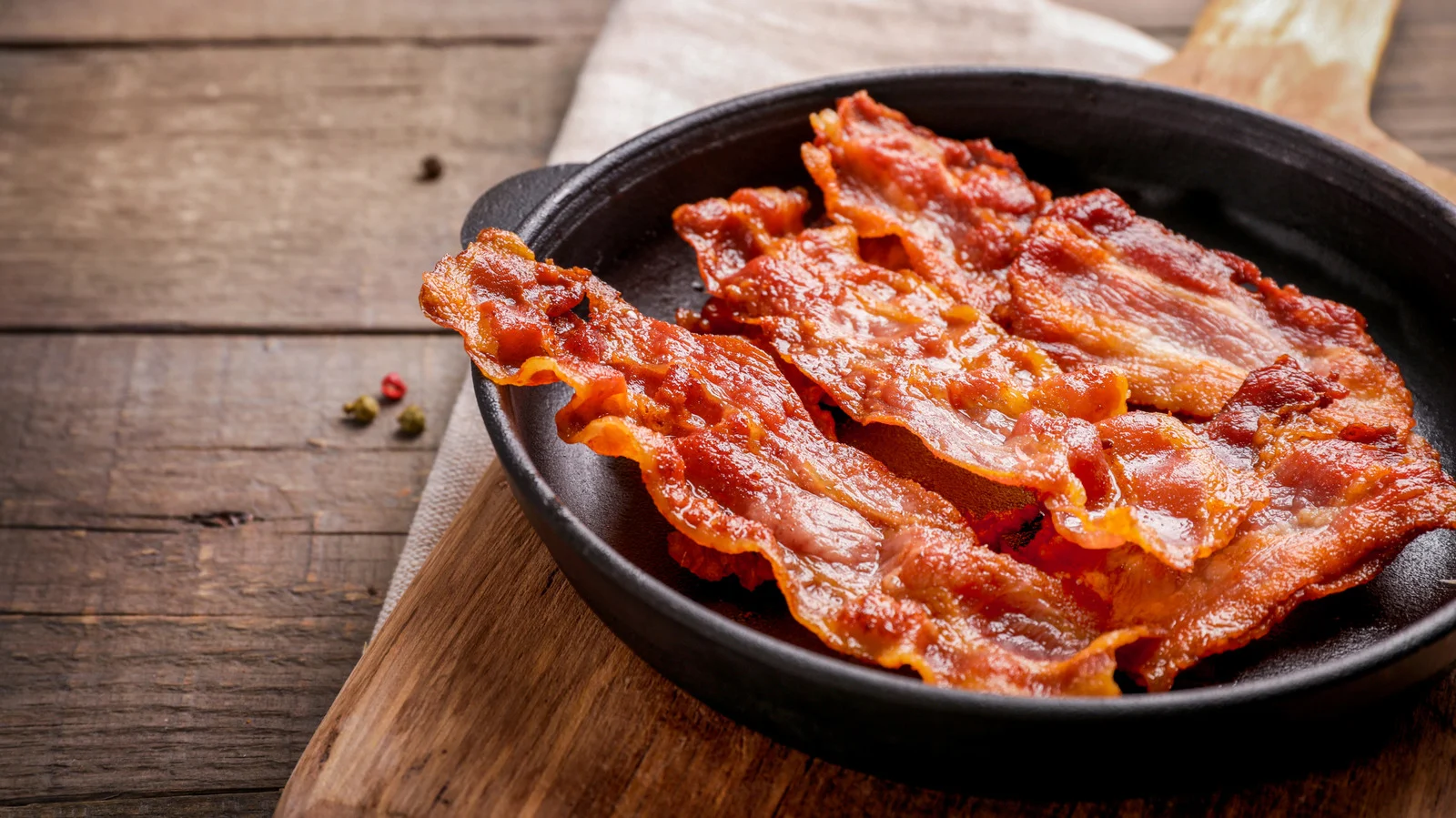
A thin flour coating gives bacon a crisp, crackly exterior and a heartier bite, changing the texture without changing the basic ingredient. The method adds one step before cooking: shake uncooked strips in a bag of all-purpose flour, then fry or bake them as usual. That small change matters because bacon already has plenty of fat and flavor; the flour is there to create a different surface, not to disguise the meat. The result depends on keeping the coating thin enough to crisp rather than turn doughy.
Coat, then fry or bake
Add flour to a gallon-sized Ziploc bag, place the bacon inside, seal it and shake until each strip is coated. A bag makes it easier to dust the strips on several sides without handling each one individually, though the goal is an even, light layer rather than a thick blanket. If flour collects in clumps, the finished texture may be less crisp and more heavy. For frying, heat about two cups of oil in a skillet until bubbling, then cook the strips gently until firm and crunchy. The source gives no exact frying time, so texture is the practical cue: the coating should set and crisp, while the bacon itself cooks through.
To bake, heat the oven to 375 degrees Fahrenheit and cook the bacon on a baking sheet for about 20 minutes, turning it halfway through. The halfway turn helps expose both sides to the heat, but ovens and strip thickness can affect how quickly the bacon cooks. Keep an eye on it near the end, since “crunchy” is a texture preference rather than a fixed endpoint. Baking also avoids the active attention that skillet frying demands, while frying puts the strips directly in hot oil and can produce a different kind of crispness.
The flour dries the bacon’s surface as it cooks, forming a crunchy outer layer. It also absorbs some of the grease, giving the coating a rich, savory flavor. That interaction is the point of the technique: flour takes on the rendered fat and browns into a shell, adding another texture to a food that’s already salty and rich. It won’t make bacon lean, and the coating can add heft, so the appeal is mainly sensory.
Paprika and garlic powder in the flour can add more depth, much like seasoning a fried chicken batter. The same principle applies to other dry seasonings: distribute them through the flour so their flavor reaches the exterior instead of landing unevenly on the cooked strips. Ingredients that instantly elevate fried chicken batter offer more ideas. The comparison is useful, but bacon cooks differently from chicken, so the coating should stay restrained and crisp rather than become a thick batter.
Change the coating to suit the meal
For a thicker crust, dip the bacon in an egg-and-buttermilk mixture before dredging it in flour. The wet coating helps the flour cling to the strips and creates a denser shell. That also changes the balance of the dish: a thicker crust adds more crunch, but it can compete with the bacon’s own texture and make each strip feel heavier. A classic buttermilk fried chicken recipe can guide the marinade step. Think of it as a reference for the coating process, rather than a reason to treat bacon exactly like chicken.
Sweeten the flour with cinnamon and brown sugar, then finish the cooked bacon with maple syrup and powdered sugar. This pushes the bacon toward a breakfast topping or a sweet-and-salty side, where the crisp coating can stand up to softer foods. It pairs naturally with easy pancakes. Go lightly with the finishing syrup: the bacon and brown sugar already bring sweetness, and too much liquid can soften the crisp exterior.
For a savory version, mix chili powder or Trader Joe’s Everything But the Bagel Sesame Seasoning into the flour; the seasoning ranked highly in a Trader Joe’s seasoning lineup. Seasoning blends can make the coating more distinctive, but their salt levels and intensity vary, so a modest amount is a sensible starting point. Serve it with eggs or avocado toast. If you’re working this into a meal, consider the bacon’s coating as part of the seasoning: the rest of the plate may need less salt or fewer competing flavors.
The bag-and-shake step works with either cooking method, while the coating and seasonings let the bacon take a sweeter or more savory direction. That flexibility is useful, but the technique’s main selling point is narrower: a crisp, flour-browned surface around familiar bacon. It’s a small change with a clear payoff for people who like crunch.
What the technique changes
This is more significant than it looks, because the method shifts bacon from a single-texture food into something closer to a crisp-coated bite. The change comes from the surface, not from a complicated preparation or a new ingredient list. That makes it easy to adapt, but it also means the result will depend on execution: an even dusting and enough cooking to set the flour matter more than piling on extra seasoning.
And this is the part most people overlook: adding flour doesn’t simply make bacon “crispier” in every sense. It creates a second layer with its own texture and flavor, while the strip underneath still has to cook properly. Too much coating can obscure the bacon; too little may barely register. A thin layer is the balance the original method is aiming for.
There’s also a practical difference between frying and baking. Frying asks for attention at the stove and involves heating oil, while baking gives the strips time in the oven with a turn partway through. Neither method is presented here as universally better. Choose based on the texture you prefer and the way you want to manage the cooking. A crisp coating, either way.
That said, the idea is easy to overcomplicate. The basic version requires only flour, bacon and a cooking method; seasonings and wet dredging are options for changing the result, not prerequisites. For a first try, the plain coating makes it easier to judge what the flour contributes. Then you can decide whether a sweeter finish, a thicker shell or a more assertive savory seasoning fits the meal.


Discussion
Sign in to join the discussion.