From house-brewed beers to broad craft menus and food pairings, these restaurant chains make choosing a beer part of the dining experience.
9 Restaurant Chains With The Best Beer Selection
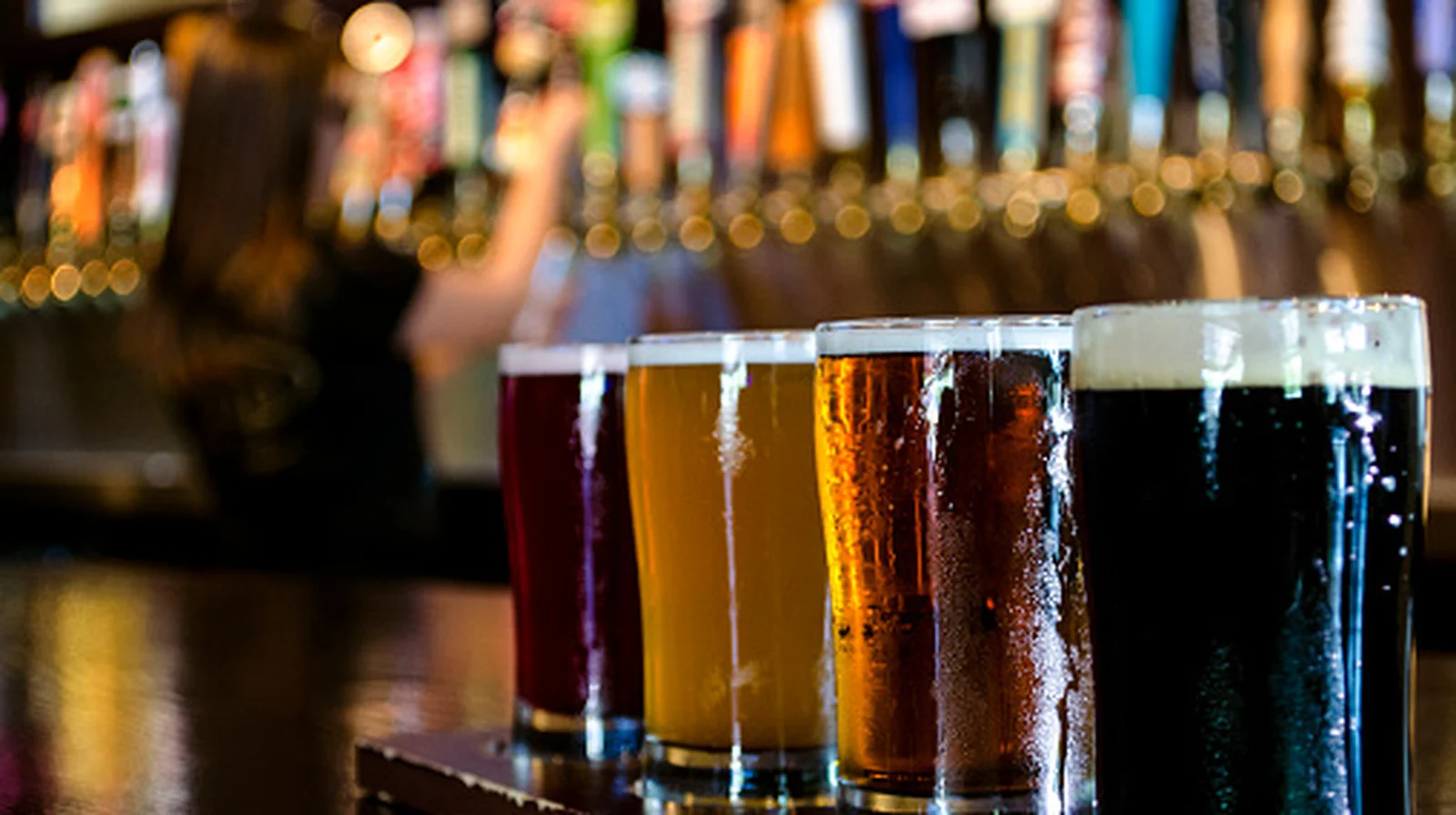
Beer can do more than wash down dinner. The right pour can sharpen a meal’s flavors, and the chains on this list treat their beer menus as part of the experience: some brew their own, some spotlight nearby breweries, and others make choosing a pint easier with pairing suggestions. The range runs from crisp, low-bitterness picks to hop-heavy beers; if you want a refresher on bitterness ratings, see how the International Bitterness Units (IBUs) scale works.
Here are five of the nine chains. Tap counts and local offerings can vary by restaurant, so the menu at your nearest location may tell a different story.
BJ’s Restaurant & Brewhouse
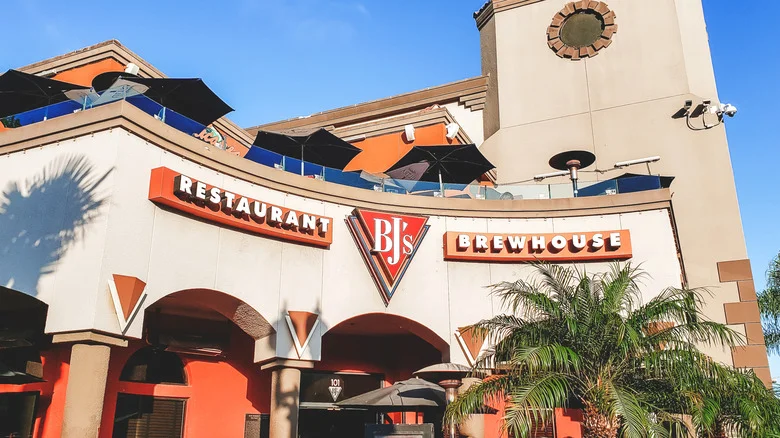
BJ’s began as a Southern California deep-dish pizza restaurant in the late 1970s, then started shifting toward brewing in 1996. Today, the company has more than 200 locations, and its brewing operation is a major part of its identity. That makes sense: pizza and beer are a natural pairing, but BJ’s has put real work behind the beer side.
Brewers at six sites across five states reportedly assess more than 150 beers a year. Only a portion make the menu, alongside 10 seasonal offerings. Some locations also sell six-packs to go, including BJ’s Brewhouse Blonde and the hop-forward Committed Double IPA, which is listed at 75 IBU.
The restaurant has also updated its pizza. In 2025, it made the first change to its deep-dish recipe, adding New York water to the dough while keeping its Chicago-style pizza identity and introducing a Detroit-style crunch. Read more about the change to BJ’s deep-dish pizza.
The Brass Tap
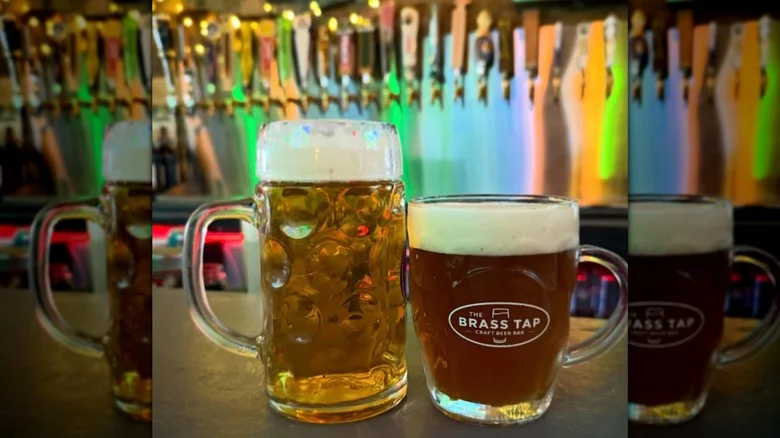
The Brass Tap opened in 2008 with beer as its main event. Food arrived later, giving the Wesley Chapel, Florida-based chain another way to support its craft beer program. Some locations carry more than 150 bottles, and menu recommendations pair particular beers with particular dishes.
“This is a craft beer bar. Everything we do is about the beer. The food is here to support the beer program,” chief development officer James Walker told the Tampa Bay Times in 2013. The pairing advice is specific: American pale ale with tempura beer-battered Boom Boom Shrimp; a heavy porter with Five-Cheese Flatbread or pretzels and beer cheese. As of 2026, the chain has more than 50 locations.
Flying Saucer Draught Emporium
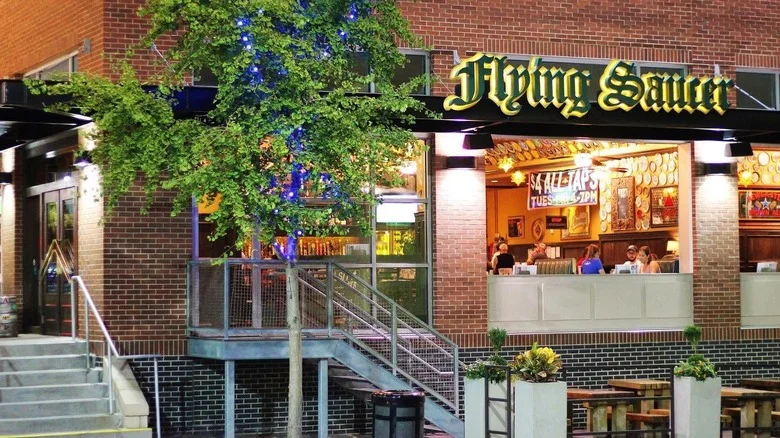
Flying Saucer puts beer first even in the way it presents itself: the website lists the beer menu before the food and features new arrivals on its splash page. Founded in Fort Worth, Texas, the chain has since spread to four states and marked its 30th anniversary in 2025.
The menu covers brown ales, Belgian beers, lambics, and stouts, with dozens of drafts and about 100 bottles and cans. The Fort Worth location won a Reader’s Choice Award for best beer selection from Fort Worth Magazine in 2018. Its range has included Sierra Nevada pale ale, which appears on our list of California’s best breweries, as well as craft beers from Alaska, Oklahoma, Missouri, Oregon, and Texas. Texas selections have included Lone Star standouts from Firemans, Live Oak, Peticolas, Pinthouse, and Saint Arnold.
Ford’s Garage
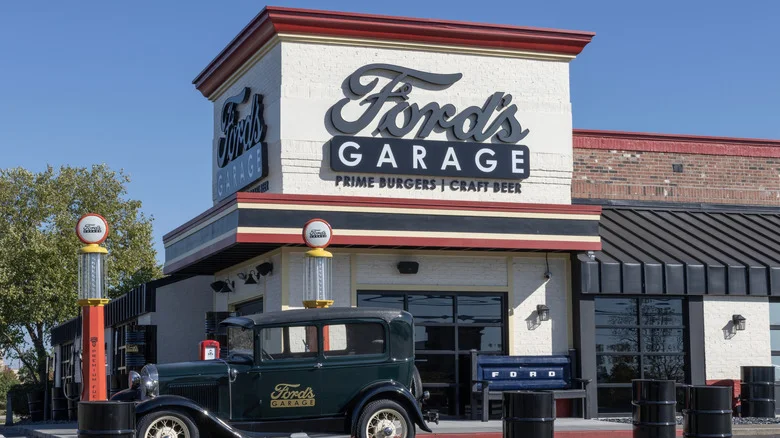
Ford’s Garage leans hard into its Ford Motor Co. licensing deal. The Florida chain, founded in 2012, decorates its restaurants with engine parts and vintage cars, but the themed surroundings don’t crowd out the craft beer list.
What’s on offer depends on the location. The Boynton Beach restaurant, across Florida from the Fort Myers location where the chain began, pours beers from nearby Copperpoint Brewing Company. In Plano, Texas, the list includes Dallas–Fort Worth-area breweries such as Rollertown Beerworks in Celina and Lakewood Brewing Company in Garland. Ford’s Garage has more than 30 locations across nine states.
HopCat
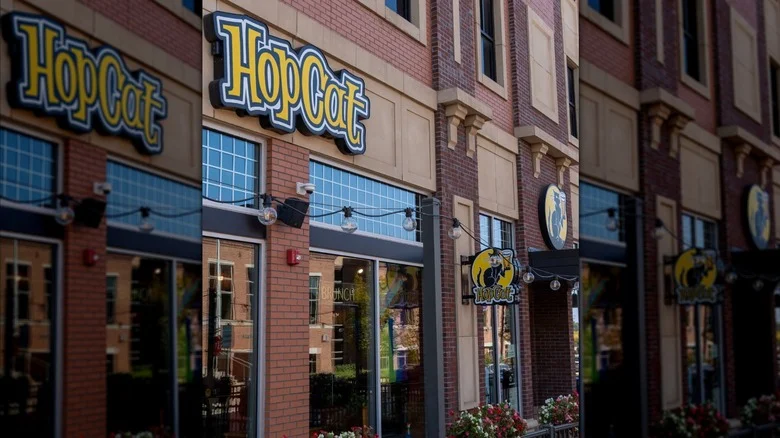
HopCat started in Grand Rapids, Michigan, in 2008 and has since added 12 locations around the state and beyond. The chain says its team selects the craft beers by hand, while customer feedback also helps shape what gets poured. Each restaurant has at least 40 taps, with seasonal changes bringing in local and regional beers. When the Lincoln, Nebraska, location opened in 2016, its menu listed 132 beers on tap.
Mellow Mushroom
Mellow Mushroom
Beer is part of Mellow Mushroom’s identity, not a side note to the pizza. The Atlanta-based chain has kept that pairing central even as other restaurants, including BJ’s Restaurant and Brewhouse, have shifted their focus. At nearly 160 locations, diners can match a stone-baked pizza—built their own way or chosen from about a dozen topped pies—with a list of more than 50 beers. That means plenty beyond familiar names like Budweiser, Coors Banquet, and Miller Lite, the beers that defined the ’80s.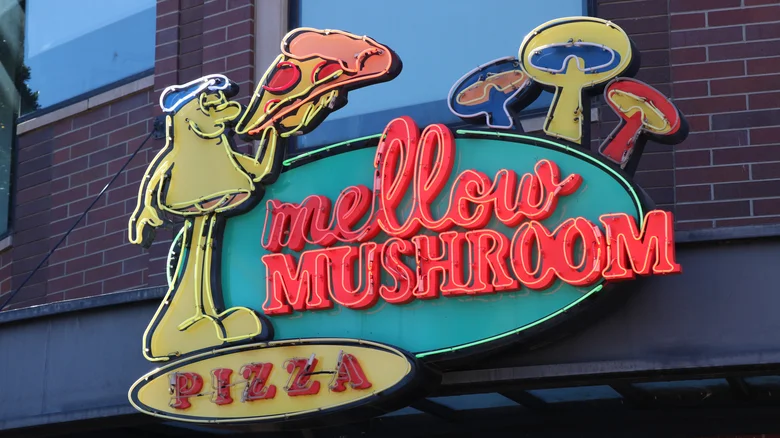 Eric Glenn/Shutterstock
The local taps make the list more interesting. Phoenix locations may pour beers from Flagstaff’s LumberYard Brewing Company and Mother Road Brewing Company; in Chantilly, Virginia, you might find Mustang Sally amber lager alongside other Virginia-made IPAs, lagers, sours, and ciders. The selection varies by location, which is precisely the point: a national chain can still make room for its regional beer scene.
Oak & Stone
Oak & Stone has built its Florida-based concept around a self-pour Tap Wall, a feature that feels increasingly unusual as chains such as McDonald’s remove self-serve beverage stations. The first locations opened in 2015, and by 2026 the chain had expanded across Florida and into Texas. Beer shares the wall with wine, whiskey, bourbon, and craft cocktails. Oak & Stone/Facebook
The system gives customers a tap card after they open a tab. Scan it at a screen, pour what you want, and pay by the tenth of an ounce. That setup rewards curiosity: you can sample a little without committing to a full pour. The 40 to 60 taps rotate, with Sarasota customers potentially finding JDub’s Brewing Co. and McKinney, Texas, visitors seeing TUPPS Brewery. There’s artisan pizza, signature handhelds, and wings to go with the drink.
World of Beer
World of Beer opened in Tampa in 2007, ahead of craft beer’s broader rise. The early claim matters less now than the chain’s continued focus on bringing a wide range of beer to customers. Its bars span the Eastern Seaboard, the Midwest, and Texas, with substantial food menus alongside the taps.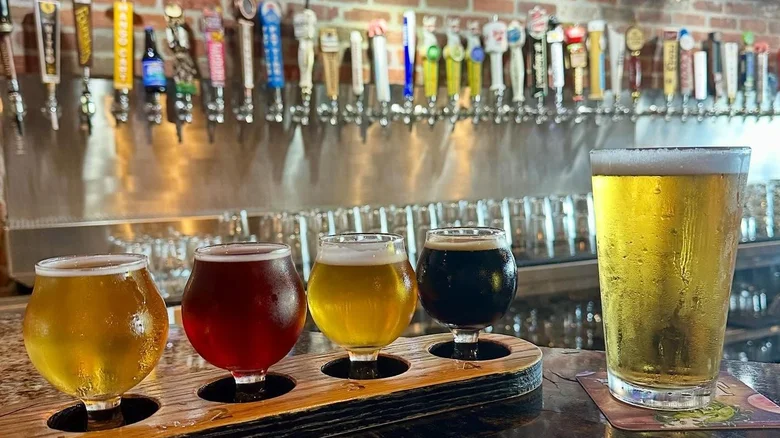 WOB Bar & Kitchen/Facebook
Expect roughly 50 taps, plus bottles and cans, covering breweries from the U.S. and abroad. The countries represented include Belgium, Canada, England, Germany, Guatemala, Honduras, Ireland, Mexico, the Netherlands, and Spain; styles range from cream ales and eisbocks to fruited sours, saisons, and stouts. The chain also carries Bavik Super Pils, named best international lager at the 2026 World Beer Awards. Its 2024 bankruptcy filing raised questions about the business, but World of Beer is still operating many locations.
Yard House
Yard House’s scale makes its beer program hard to overlook. The chain marked 30 years in 2026, having started in Long Beach, California, and now promotes what it calls “the world's largest selection of draft beer”, with more than 100 taps. After growing to 40 locations, it was acquired by Darden Restaurants, parent of Olive Garden and LongHorn Steakhouse, for nearly $600 million in cash.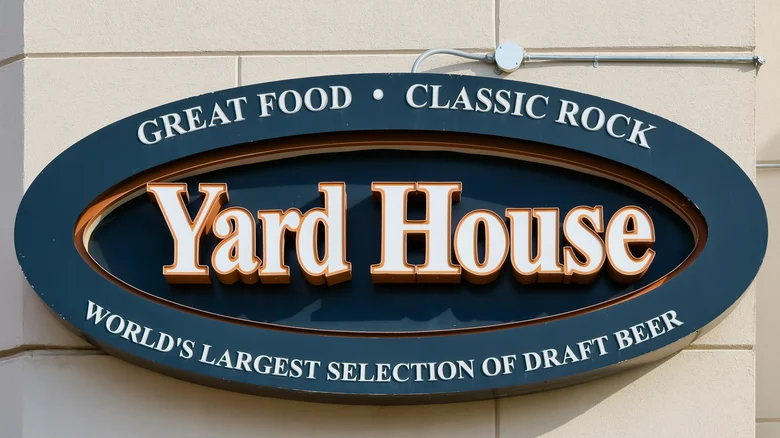 Yingna Cai/Shutterstock
The acquisition looks like a strong bet: after the first quarter of fiscal 2027, Yard House became the third Darden brand to top $1 billion in sales, despite its relatively small footprint. Its beer list mixes established labels with brewery collaborations and house versions of different styles, including an amber tripel, a honey blonde ale, two Belgian beers, and an IPA from Escondido, California, combining hops for woody and citrus notes. The broader takeaway is that a large tap count gets attention, but local partnerships and thoughtful variety are what give a beer list character.



Discussion
Sign in to join the discussion.