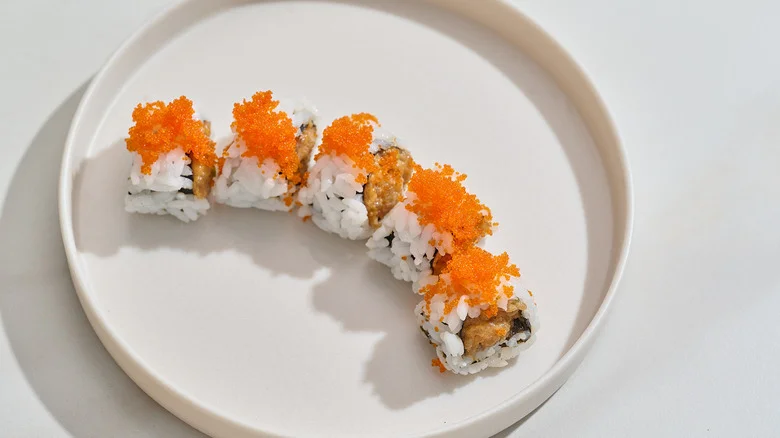
Make spicy tuna rolls with sushi rice, fresh ahi tuna, Kewpie mayo and Sriracha, then roll, slice and finish with optional fish roe.
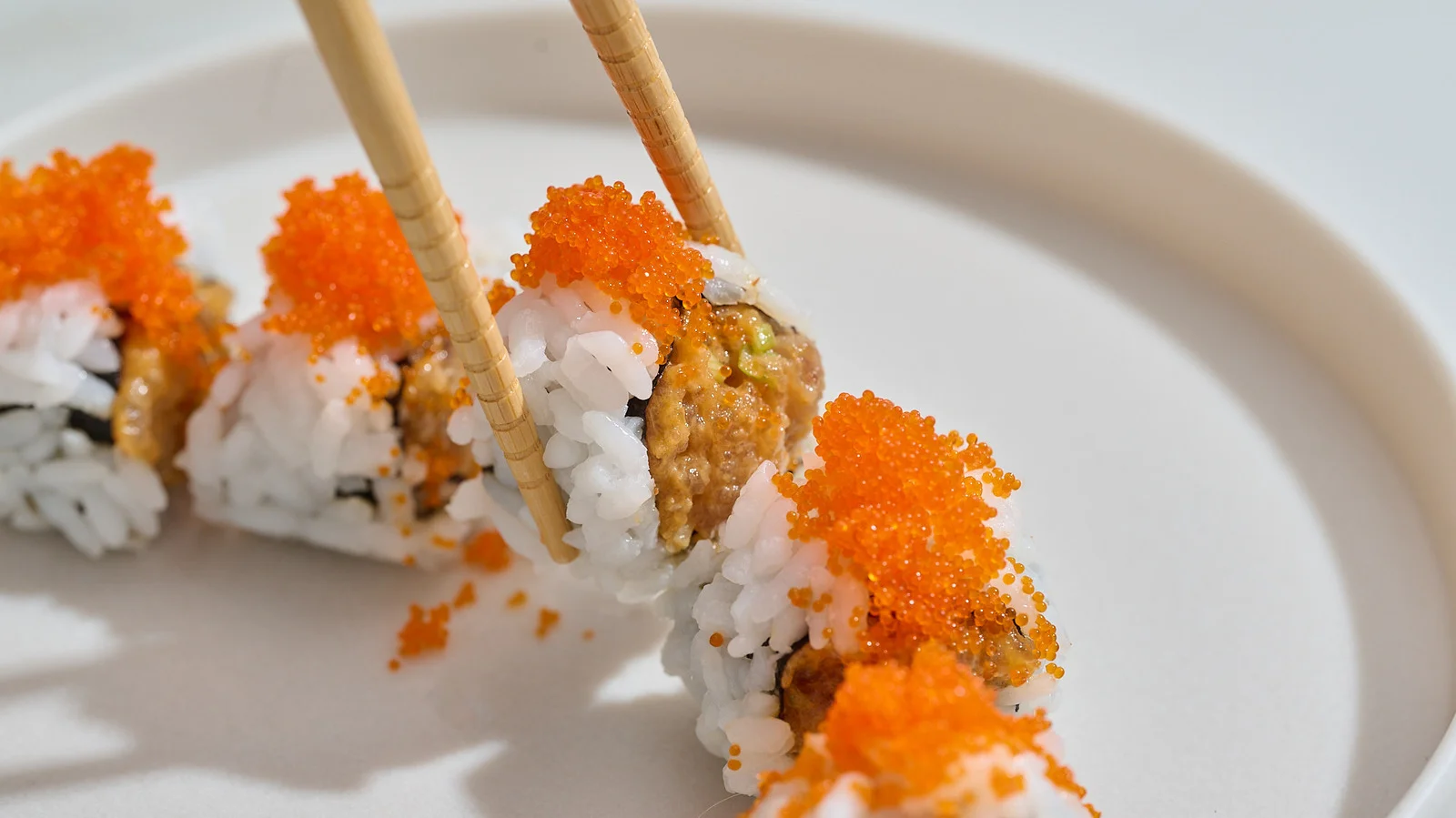
The spicy tuna roll’s appeal is its balance: tender tuna, creamy heat, seasoned rice and nori, all in a compact roll that’s usually an affordable order at sushi restaurants. Making it at home gives you control over that balance. You can keep the filling classic or add scallions and sesame seeds, then finish the roll with fried onion or fish roe for extra texture.
This recipe uses fresh ahi tuna mixed with Kewpie mayonnaise, Sriracha, soy sauce, toasted sesame oil, scallions and sesame seeds. The tuna stays raw, so the recipe calls for fish labeled “sushi grade,” sourced from a reputable fishmonger; the label means it has been flash frozen to remove bacteria. You’ll also need sushi rice, rice vinegar, sugar, salt and nori. Choose rice labeled sushi rice, shari, sumeshi or Japanese rice: sushi rice differs from sticky rice. And if you want to experiment with the filling, there are plenty of ways to add distinctive flavors to homemade sushi.
The method starts with the rice. Rinse it in a fine-mesh strainer until the water runs clear, then cook it according to the package directions. While it cooks, heat rice vinegar, sugar and salt in a small saucepan over medium heat, stirring until the sugar dissolves. Take the pan off the heat.
Move the cooked rice to a large bowl and gently fold in the vinegar mixture until the grains are coated. Cover the bowl with a towel and let the rice cool while you make the filling.
Cut the tuna into 1-inch cubes, then pulse it in a food processor three to five times. Stop when it’s chopped; if it turns smooth or gummy, it’s gone too far. Transfer the tuna to a bowl and stir in the Kewpie mayonnaise, Sriracha, soy sauce, sesame oil, green onions and sesame seeds.
Shape and slice the rolls
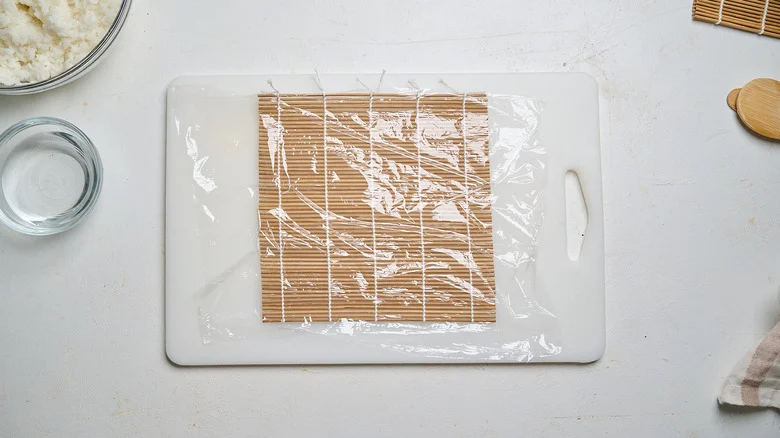
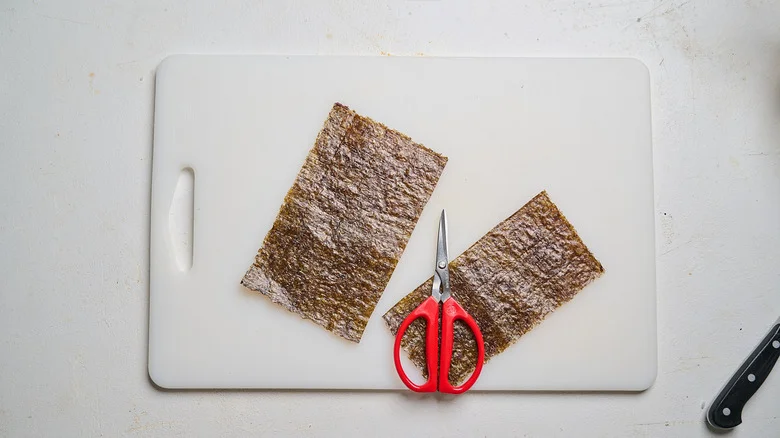
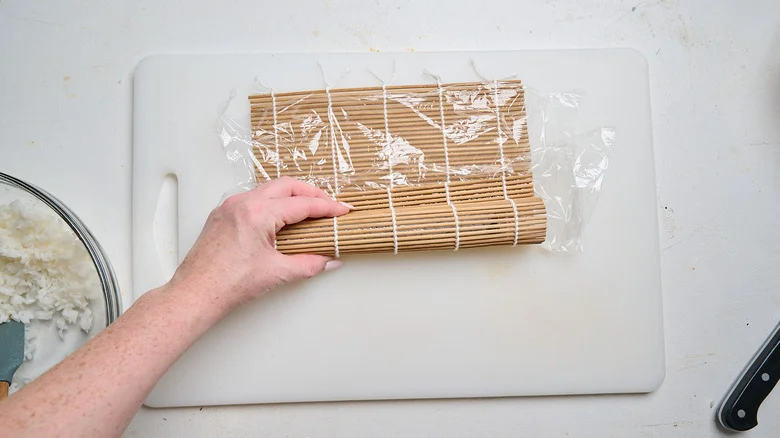
Stir the spicy tuna mixture until it’s evenly combined. Then prepare the rolling surface: wrap a bamboo mat in plastic, cut a sheet of nori to about 4 inches wide (roughly four segments), and set it on the mat with the shiny side facing down.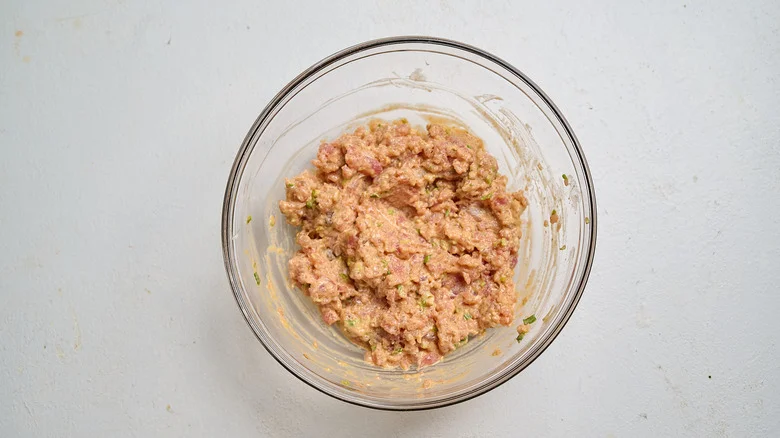
Fill, roll, and serve
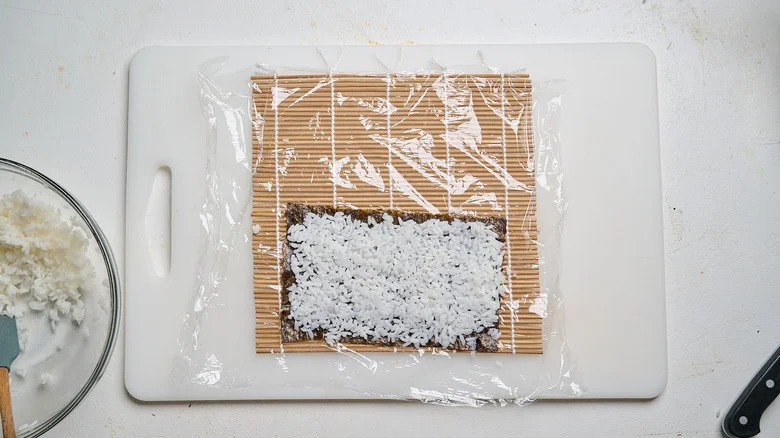
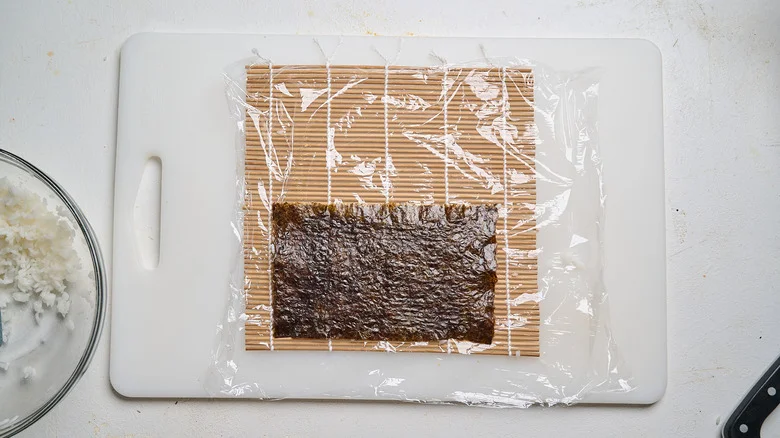
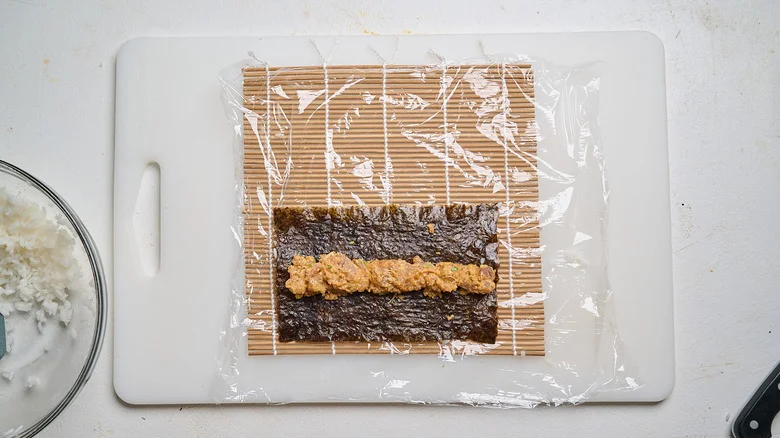
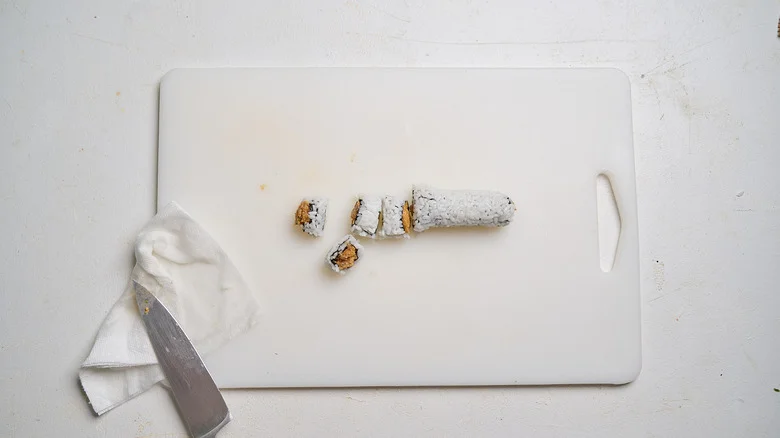
Spread a thin layer of sushi rice over the nori, then carefully turn it over so the rice faces the plastic wrap. Arrange one-quarter of the tuna filling in a straight line across the center. Use the mat to guide the nori and rice around the filling into a cylinder. The mat does the shaping work here; keep the roll even as you bring it together.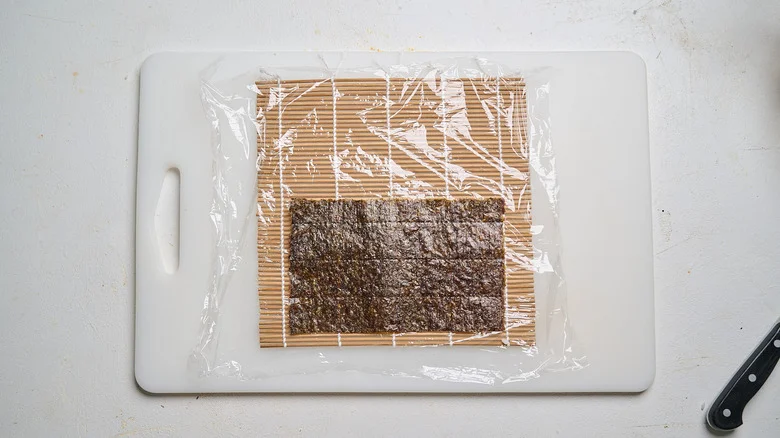


Discussion
Sign in to join the discussion.