Hungarian paprika, tomatoes and red bell peppers give chicken and dumplings a richer, heartier twist, ready in less than an hour.
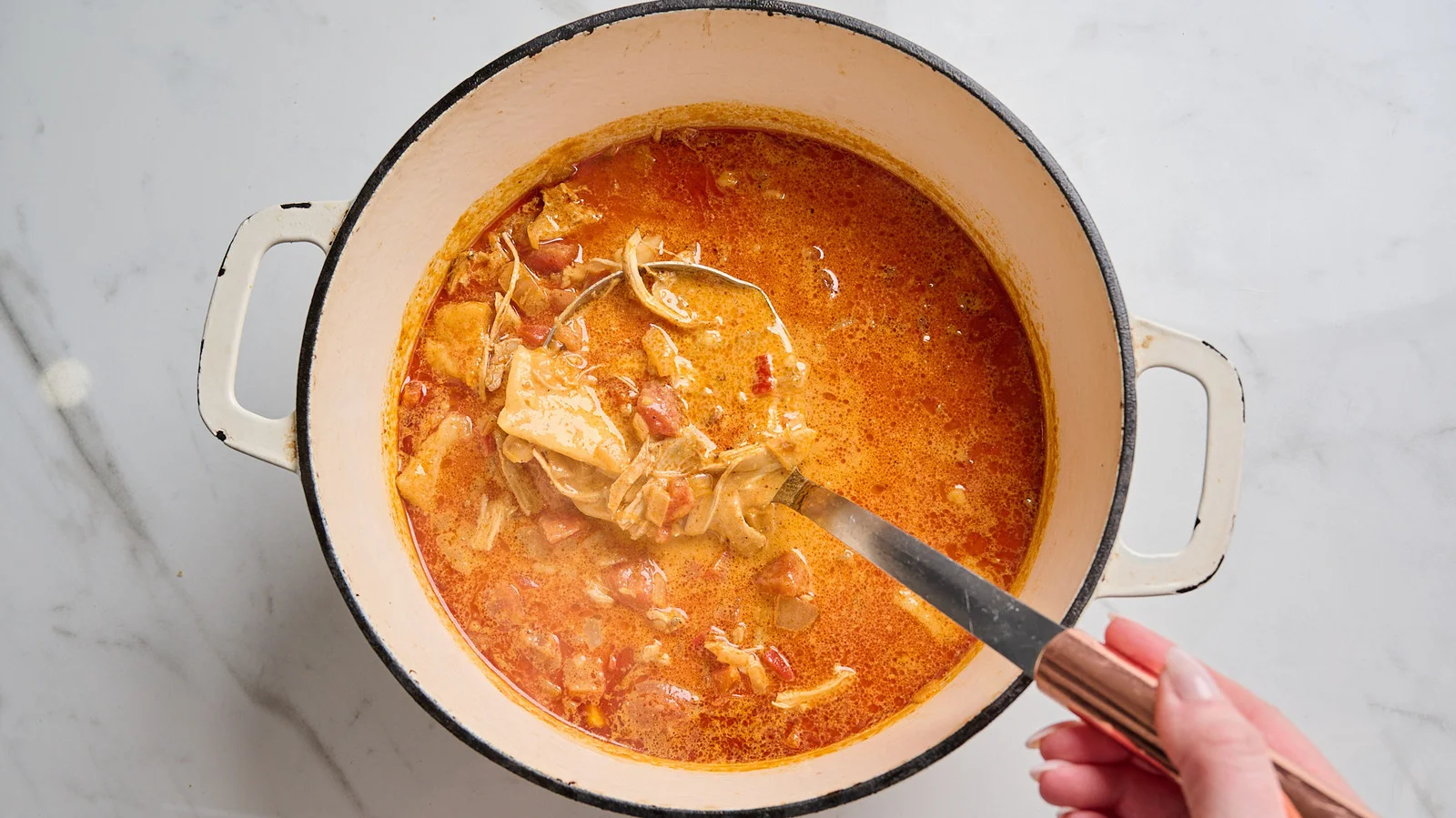
Hungarian chicken paprikash offers a natural route to a heartier bowl of chicken and dumplings. Sweet, earthy paprika, tomatoes and red bell peppers deepen the creamy broth, giving the familiar comfort food a more savory, gently sweet profile. Dumplings make the meal more filling and add a soft texture that contrasts with the chicken. The pairing brings two comfort food traditions together without asking the cook to learn an elaborate new technique.
How paprikash reshapes chicken and dumplings
The dish draws on paprikash-style chicken and dumplings, which pairs the familiar Southern staple with flavors from traditional Hungarian chicken paprikash. Recipe developer Michelle McGlinn favors paprikash, where chicken simmers with paprika, tomatoes and red bell peppers. In this combination, those ingredients shape the broth rather than acting as a light seasoning. The result has the savory, creamy character associated with chicken and dumplings, with paprika and peppers giving it a more pronounced flavor.
That distinction matters because chicken and dumplings can be defined as much by texture as by any fixed ingredient list. The chicken should remain tender, while the broth needs enough body to hold the dumplings without turning stodgy. Paprikash brings a clear flavor direction; the dumplings bring substance. Together, they make the bowl feel like a full meal, not simply a soup with dough added at the end.
Dumplings do more than fill the bowl
McGlinn replaces the butter beans often used in chicken paprikash with fluffy, square dumplings. “To me, they best replicate the tender, buttery beans in the chicken paprikash soup I love while thickening the broth and offering a uniquely silky mouthfeel,” she says. The substitution gives the dish a different identity while preserving the soft, yielding quality that beans would provide. It also makes the dumplings part of the broth’s texture, rather than just a topping.
That’s a useful choice for cooks who want the bowl to feel substantial without adding a separate starch on the side. As dumplings cook, they absorb some of the surrounding flavor, while their presence helps give the liquid a fuller consistency. The balance takes attention: too little broth can leave the dumplings heavy, while too much can make the finished dish feel thin. A silky texture, then, is more than a description; it’s a sign that the components are working together.
A straightforward method, with timing to watch
The cooking method follows the basics of a chicken and dumplings recipe: brown the chicken, then cook the aromatics in the same pan. That sequence builds flavor in stages, using the browned bits left behind by the chicken as the base for the vegetables and broth. Add broth and paprika, return the chicken to simmer, and stir in the dumplings for the final 10 minutes. That last stretch matters because the dumplings need time to cook through while the chicken finishes gently.
The meal takes less than an hour and requires relatively little attention while it cooks. It’s a practical format for a weeknight: most of the work happens in one pan, and the simmering does much of the rest. Still, “low effort” doesn’t mean the cook can ignore the pot entirely. Dumplings can change the broth as they cook, so it’s sensible to check the texture near the end and make sure the chicken and dough are both tender.
Vegetables and sides to round out the meal
Carrots, celery and peas fit easily into the pot for a more substantial dinner. Kale or spinach can add leafy greens, too. These additions keep the dish’s rich, paprika-laced broth at the center while making each serving more filling. They also let cooks adjust the bowl’s texture: carrots and celery bring a firmer bite, peas add sweetness, and greens soften into the sauce.
If you're adding vegetables, the main consideration is timing. Firmer ingredients generally need more time to soften than leafy greens, which can wilt quickly near the end of cooking. That basic sequencing helps preserve some contrast in the bowl instead of letting every ingredient collapse into the broth. Here's the thing: a few vegetables can make the meal feel more complete, but piling in too many risks obscuring the paprika and chicken that define it.
For a side that echoes the Hungarian inspiration, serve the dumplings with lángos, a fried flatbread with a crisp exterior and soft middle. It works alongside the creamy stew with sour cream and cheese, or torn into pieces for dipping. That’s a generous pairing, so it makes most sense when the meal is meant to be shared or when diners want a more substantial spread. The article also suggests exploring other Hungarian dishes to carry the theme through dinner.
A fresh side can cut through the bowl’s richness. A three-ingredient cucumber salad with salt, pepper and olive oil brings crispness and a mild flavor that lets the paprika stand out. It’s a simple contrast to a meal built around tender chicken, soft dumplings and silky sauce. The numbers here are underwhelming in the best way: only three ingredients, with no elaborate dressing competing for attention.
Why the combination works
This is more significant than it looks for the home cook: the recipe joins two familiar formats by giving each a clear job. Paprikash supplies the paprika-forward broth and vegetables; chicken and dumplings supply the soft, filling element that thickens it. And yet, the success depends on restraint. The broth should remain the main event, with additions supporting its flavor rather than turning the pot into an indiscriminate stew.
If you're working in this space, the useful lesson is how a few changes can shift the character of a comfort food without making its method harder to follow. Keep the chicken tender, let the paprika register, and give the dumplings enough time to cook through. (And this is the part most people overlook.) A crisp, fresh side can do as much for the meal’s balance as another ingredient in the pot.
Simple to cook. Distinctive in the bowl.



Discussion
Sign in to join the discussion.