Well-maintained marble can last 50 years or longer. Regular sealing and quick spill cleanup help limit stains, etching and everyday wear.
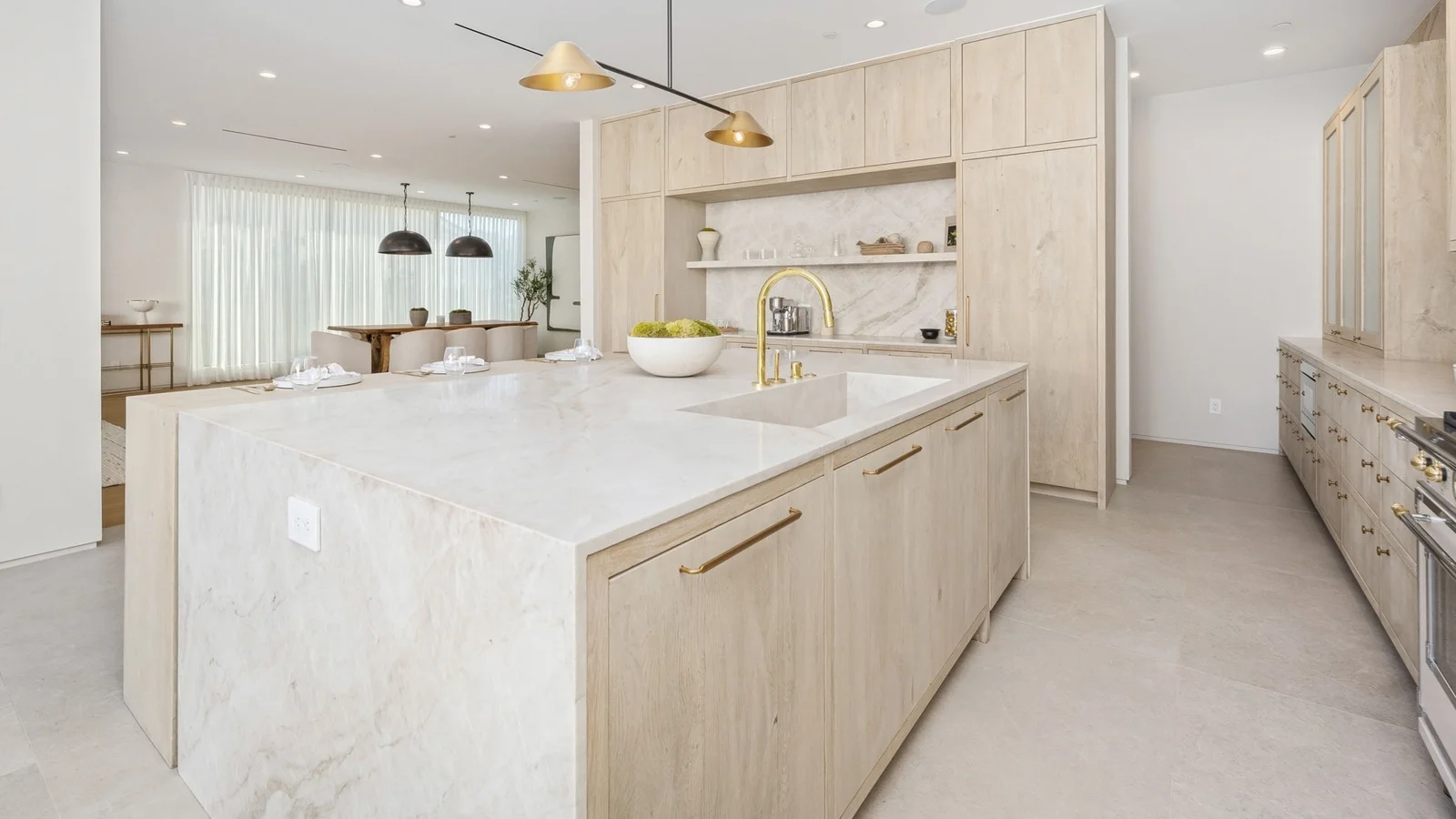
Marble can outlast many kitchen fixtures, but its long lifespan comes with a trade-off: the surface changes with use. Cara Woodhouse, founder and creative director of Cara Woodhouse Interiors, told Tasting Table that properly cared-for marble can last a lifetime, often 50 years or more. Estimates range from about 20 years to as long as 100, a wide spread that reflects how much the stone’s service life depends on care, use and what an owner considers acceptable wear.
That longevity may appeal to homeowners planning to stay put. The bigger question is whether they’ll like marble’s signs of age. “Over time it etches and develops a soft patina, which is part of its beauty,” Woodhouse said. “If you appreciate a lived-in look, marble is hard to beat.” This is more significant than it looks: choosing marble means deciding in advance whether visible change will feel like character or a flaw.
Beauty comes with upkeep
Marble is vulnerable to acidic foods and drinks, including lemon, red wine and tomato, which can etch or stain the stone. It can also chip and scratch. These are different kinds of wear: etching can dull or mark the surface, while chips and scratches affect its physical finish. For a busy kitchen, those marks may feel less like patina and more like damage; the stone’s high price can make the maintenance feel harder to justify. The drawbacks of marble countertops are most apparent when the surface sees frequent use.
Care routines vary, but Woodhouse recommends applying a quality impregnating sealer every six to 12 months, adjusting the interval to how heavily the counter is used. Guidance elsewhere ranges from annual sealing to once every 10 years, so homeowners may want to follow the product instructions and their installer’s advice. The gap between those recommendations is a reminder that “marble care” isn’t one universal schedule: the specific product and conditions matter, and a generic timetable can be misleading.
Small habits help protect the surface
Woodhouse also points to TuffSkin and AntiEtch as protective treatments intended to guard against staining and etching. For everyday care, clean with a pH-neutral stone cleaner and wipe up spills promptly. Cutting boards, trivets and coasters reduce direct contact with knives, hot cookware and drinks. These measures won’t make marble impervious, but they can limit the avoidable exposure that turns routine kitchen activity into visible wear.
A honed finish can make routine wear less conspicuous than a polished surface, Woodhouse said. That choice won’t remove the need for care, but it may suit people who prefer marks to blend into the counter’s natural aging. The finish is part of the decision, then, not just a stylistic detail: it shapes how noticeable everyday changes may be.
What marble’s lifespan really means
Marble’s lifespan depends on both maintenance and expectations. Consistent sealing and careful use can help it serve for decades, while accepting some etching and patina makes that longevity easier to live with. If you’re working through countertop options, consider how your household actually uses its kitchen and whether you’re willing to respond quickly to spills. Here's the thing: a surface that lasts for decades can still disappoint if its ordinary wear conflicts with what you wanted it to look like.
And this is the part most people overlook: durability and low maintenance aren’t the same promise. Marble may remain in service for a long time while accumulating marks along the way. For households that want a pristine surface with little attention, the upkeep may be the deciding factor.
For others, the changing surface is part of the appeal. A patina, gradually earned. That preference doesn’t erase the practical costs, but it can make the care feel like a reasonable exchange for a material that stays in the kitchen for years.


Discussion
Sign in to join the discussion.