A cup of Heinz 57 stirred in before braising can balance pot roast’s richness and build a more flavorful base for gravy.
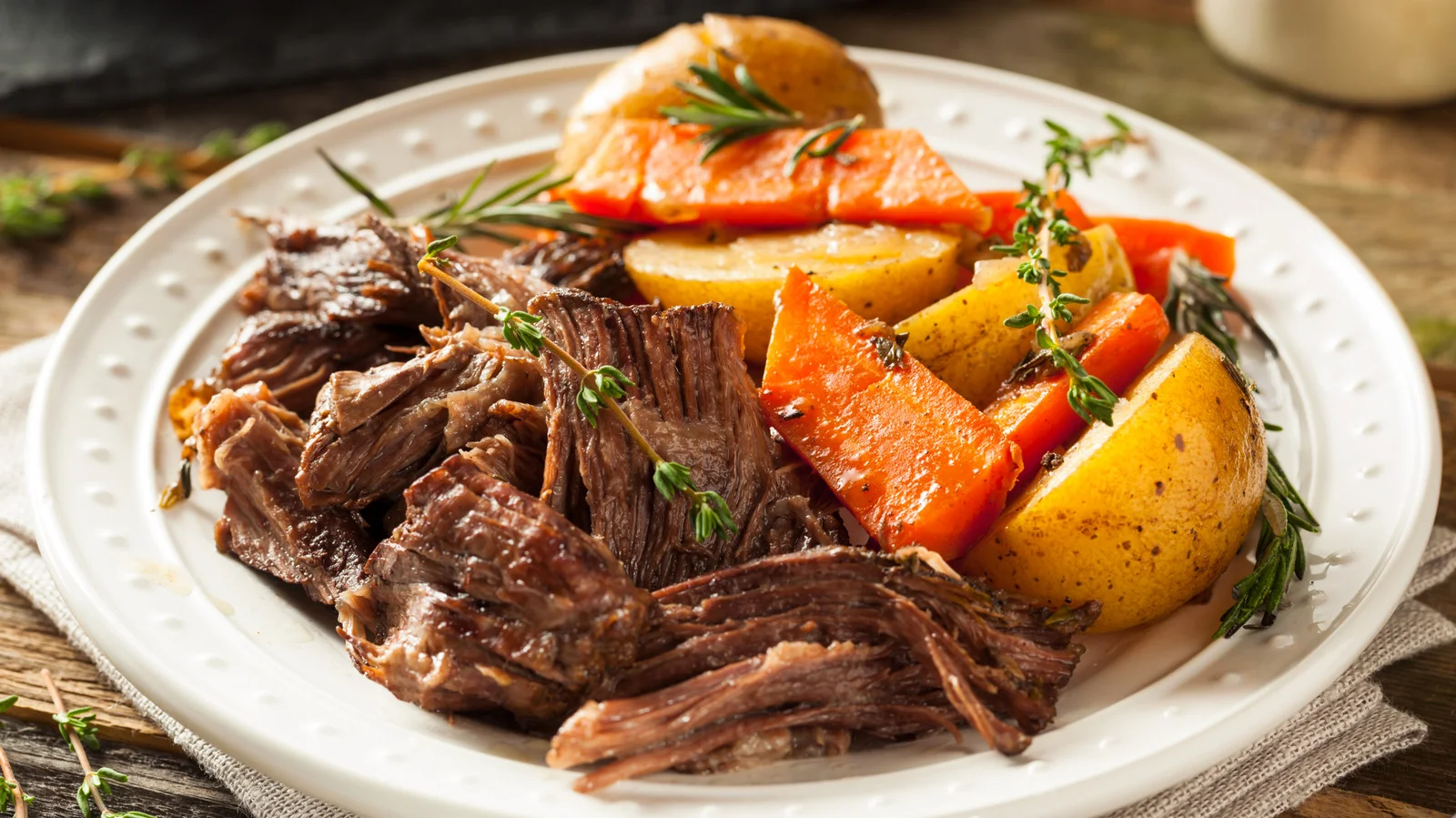
Pot roast’s long, slow braise builds deep beef flavor, but that richness can dominate the finished dish. The meat, cooking juices and softened aromatics all contribute savory weight, and a gravy made from those juices can taste heavy if it has little acidity to balance it. Heinz 57 offers a straightforward counterpoint: its sweet, tart and spiced profile can brighten the cooking liquid and give the gravy a livelier base. It’s a small adjustment with a clear purpose, not a shortcut to a different roast.
The sauce dates to 1911, when it was introduced as Heinz Beefsteak Sauce. Its ingredients include tomato puree, vinegar, raisin juice concentrate and a proprietary blend of spices. That combination gives it a different role from ketchup, whose familiar tomato sweetness tends to be more prominent. Heinz 57’s tang can complement beef while cutting through some of the fat and savory juices that accumulate during braising.
Add the sauce before the braise
After searing the beef and adding your usual braising liquid, stir in about a cup of Heinz 57, or use a 10-ounce bottle, before covering the pot. Adding it at the start gives the sauce time to mix with the beef drippings and aromatics as the roast cooks. The exact result will depend on the rest of the liquid and seasoning, so treat the suggested amount as a starting point rather than a rule. If you’re cooking a smaller roast or already using ingredients with strong acidity, you may prefer to begin with less.
A splash added near the end can sharpen the flavor further if you want more tang. Taste the gravy first, then add a little at a time; the sauce brings sweetness as well as acidity, and those qualities can become more noticeable as the liquid reduces. Here's the thing: the goal is to balance the beef, not make the sauce itself the dominant flavor. A measured addition is easier to adjust than a pot that’s already too sweet or too sharp.
Expect a flavor adjustment, not a texture fix. Heinz 57 won’t tenderize a roast or change the structure of the meat, which depends on the cut and the cooking process. It can, though, make the finished dish feel more balanced and give the gravy extra character. That distinction matters. A more lively gravy may improve each bite, but it can’t compensate for beef that hasn’t cooked until tender.
What acidity contributes
In a braise, the cooking liquid carries flavor from the meat and the other ingredients through the dish. A sauce with a tart component can keep that liquid from reading as purely rich and savory. Similar additions are often used to adjust balance near the end of cooking, but putting Heinz 57 in at the beginning lets its flavors become part of the braising base. You’ll still want to taste the finished gravy, since the roast’s drippings and the other ingredients shape the result.
This is more significant than it looks for cooks who find traditional pot roast a little monotonous. The sauce adds several flavor cues at once: sweetness, acidity and spice. It won’t make the dish subtle, and its presence should be noticeable, but that’s the point. (And this is the part most people overlook.) A sauce can change the way the gravy tastes without changing the roast’s basic character.
Other ways to build flavor
Heinz 57 is one option among many store-bought sauces that can give pot roast a different emphasis. Harissa brings chili heat, while hoisin adds sweet, savory notes. Those choices don’t produce the same kind of balance: heat and sweetness steer the dish in different directions from the tartness of Heinz 57. If you’re working in this space, think first about what the roast needs—more brightness, more heat or a sweeter, deeper sauce—then choose an addition that answers that question.
A Moroccan-style preparation pairs harissa and chickpeas with couscous and parsnips. That’s a broader change to the meal than stirring a sauce into the braising liquid, because the accompanying ingredients shape how the beef is served and experienced. It’s a useful reminder that a pot roast doesn’t have to rely on the gravy alone for contrast. Yet even a more elaborate pairing won’t make every flavor work together automatically; the seasoning and the sauce still need to suit the beef.
Seasoning packets and the limits of convenience
Seasoning packets offer another low-effort route. A combination of Italian salad dressing mix, brown gravy mix and ranch dressing mix brings herbs, beefy savoriness and tang, according to the flavors associated with those mixes. The trio can be used as a dry rub or mixed with water before it goes into a slow cooker. Either method adds seasoning without requiring a separate sauce, though the finished flavor will depend on the particular products and how much seasoning the cook uses.
Convenience is the appeal, but it doesn’t remove the need to taste and adjust. A packet combination, a bottled sauce and a scratch-made braising liquid each give the cook a different starting point; none guarantees a balanced gravy on its own. Pot roast can take bold additions, and the right one can give familiar comfort food a more layered flavor. Sometimes, just enough.



Discussion
Sign in to join the discussion.