Heist launches a unique decaf coffee brand, targeting high-end venues and aiming to elevate decaf from an afterthought to a culinary choice.
A New Dawn for Decaf Coffee
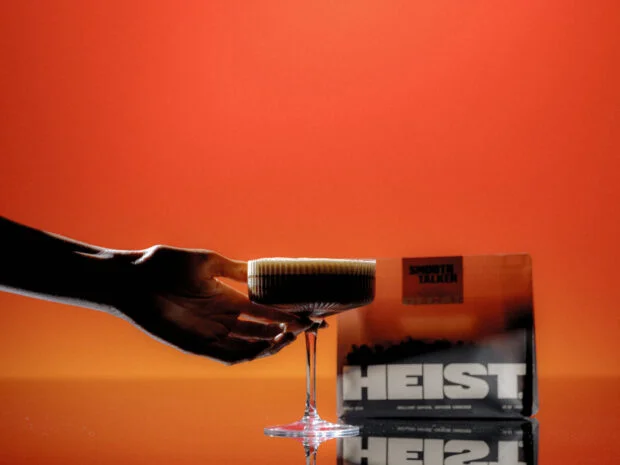
A fresh coffee brand, Heist, has recently emerged in the online market, specializing solely in decaffeinated and low-caffeine offerings. With both direct-to-consumer sales and wholesale ambitions aimed at upscale bars and restaurants, Heist aims to transform the perception of decaf coffee, particularly for evening patrons. This initiative is significant because, for too long, decaf has sat on the sidelines, often regarded as an inferior choice. In an era where taste and quality are paramount, Bruner’s brand seeks to place decaf coffee firmly back on the main stage.
Tapping into Fine Dining
Heist co-founder Stephen Bruner emphasizes that high-end dining establishments dominate the late-night coffee scene, where both guests and the menu designers prioritize quality. “If a beverage director at one of the World’s 50 Best bars puts our decaf on the menu, that speaks volumes compared to merely having it on a store shelf,” Bruner states. This insight reveals how perceptions shift in environments that prioritize ambiance and culinary excellence. In fine dining, coffee isn't merely an afterthought or a routine—it’s part of the overall dining experience. Indeed, when a distinguished establishment like a Michelin-starred restaurant embraces a decaf option, it indicates a meaningful acknowledgment of coffee's role in gastronomy.
Quality-Centric Selection Process
The selection of Heist's coffee begins with sourcing high-quality caffeinated beans. The emphasis here is to choose coffee that not only tastes good but also holds up well after decaffeination. “Our differentiator lies in our selection process,” Bruner explains. “We prioritize the quality of the beans we choose, elevating the standard for decaf coffees.” That's essential because many decaf options on the market suffer from the loss of flavor during the decaffeination process. By focusing on sourcing superior beans, Heist is making a bold statement: Decaf doesn’t have to taste bland or be an inferior alternative. This meticulous attention to quality could very well challenge the industry to rethink how decaf is produced and marketed.
Expertise Behind the Brand
Alongside Bruner, who co-founded the drinkware company Corkcircle, his wife Sarah Bruner and coffee expert Jarrett Johnson form the backbone of Heist. Johnson, also known for his leadership at Lineage Coffee Roasting in Orlando, fleshes out roast profiles and oversees procurement for Heist’s coffee. Production is handled at Lineage, utilizing Diedrich and Joper roasters. This combination of expertise is significant because it underscores Heist's commitment to quality at every level—from sourcing to roasting. If you’re aiming to disrupt an industry, you’d better have a solid team that knows both the science and the artistry of coffee.
Establishing a Unique Coffee Culture
Bruner seeks to elevate decaf coffee from a background option to a deliberate choice that has its own occasion. “Our aim isn’t merely to win a spot on a shelf; we want to create an occasion,” he asserts. This shift reflects a broader trend among specialty coffee brands embracing decaf and low-caf alternatives. Consider the context: more consumers are becoming health-conscious and seeking ways to enjoy coffee without the jitters or sleep interference that caffeine often brings. It’s not just about selling coffee; it’s about redefining what coffee can mean in different contexts—especially at night, when traditional coffee can keep many patrons tossing and turning.
The Rising Wave of Decaf Brands
Heist joins a wave of specialty brands prioritizing decaffeinated coffee, following the recent growth seen by others in this niche. For instance, Explorer Cold Brew expanded its portfolio with the acquisition of Savorista, signaling an industry shift towards high-quality low-caffeine options. Other newcomers, like Dekaf and Frequent Coffee, have also made strides in this space. Why does this matter? Well, it shows that consumer preferences are changing. No longer is decaf a mere afterthought—it's becoming a legitimate choice paralleled with its caffeinated counterparts.
A Personal Journey to Decaf Excellence
Bruner's personal experiences have catalyzed his commitment to high-quality decaf. Having dealt with disappointing decaf options on numerous date nights, he pondered, “Why does decaf not taste as good?” His quest aims to answer that question while setting new standards. This journey isn’t just personal; it taps into a collective frustration many coffee lovers feel. Perhaps you've experienced it too—sipping a decaf only to be struck by the flavor void it often embodies. Bruner's determination to rectify this not only reflects a desire for personal satisfaction but also underscores a broader market opportunity.
Recognition and Future Aspirations
Before launching, Heist showcased a Pink Bourbon coffee from Huila, Colombia, which received a remarkable 93 score from Coffee Review, marking it as one of the highest-ever ratings for a decaf coffee by the publication. The brand is set to release another coffee soon, which Bruner believes could "shatter the ceiling for decaf" regarding cupping scores. This recognition is no small feat in a sector where high scores are often reserved for their caffeinated peers. The ambition is palpable. Bruner adds, “We hope to keep challenging the norms and surprising industry insiders we respect.”
Future Implications and Market Shifts
As Heist takes root in the coffee industry, its mission raises broader questions about the future of decaf. Could we see a more permanent seat for decaffeinated options in specialty coffee menus across the board? What this means for you, especially if you're working in this space, goes beyond just one brand. As decaf gains traction for its quality, traditional notions surrounding coffee consumption may shift permanently.
And this is the part most people overlook: Decaf coffee might not just cater to a niche anymore; it could redefine nighttime socializing. If the industry continues on this trajectory, expecting decaf to be seen as merely an alternative will no longer suffice. Brands that ignore this emerging trend might find themselves sidelined as consumers increasingly seek quality alternatives to their caffeine-laden choices. The next few years could be pivotal for brands like Heist that are willing to take the risk to challenge the status quo.



Discussion
Sign in to join the discussion.