Arby’s Potato Cakes make a permanent return after overwhelming fan demand, reflecting the chain's responsiveness to customer preferences.
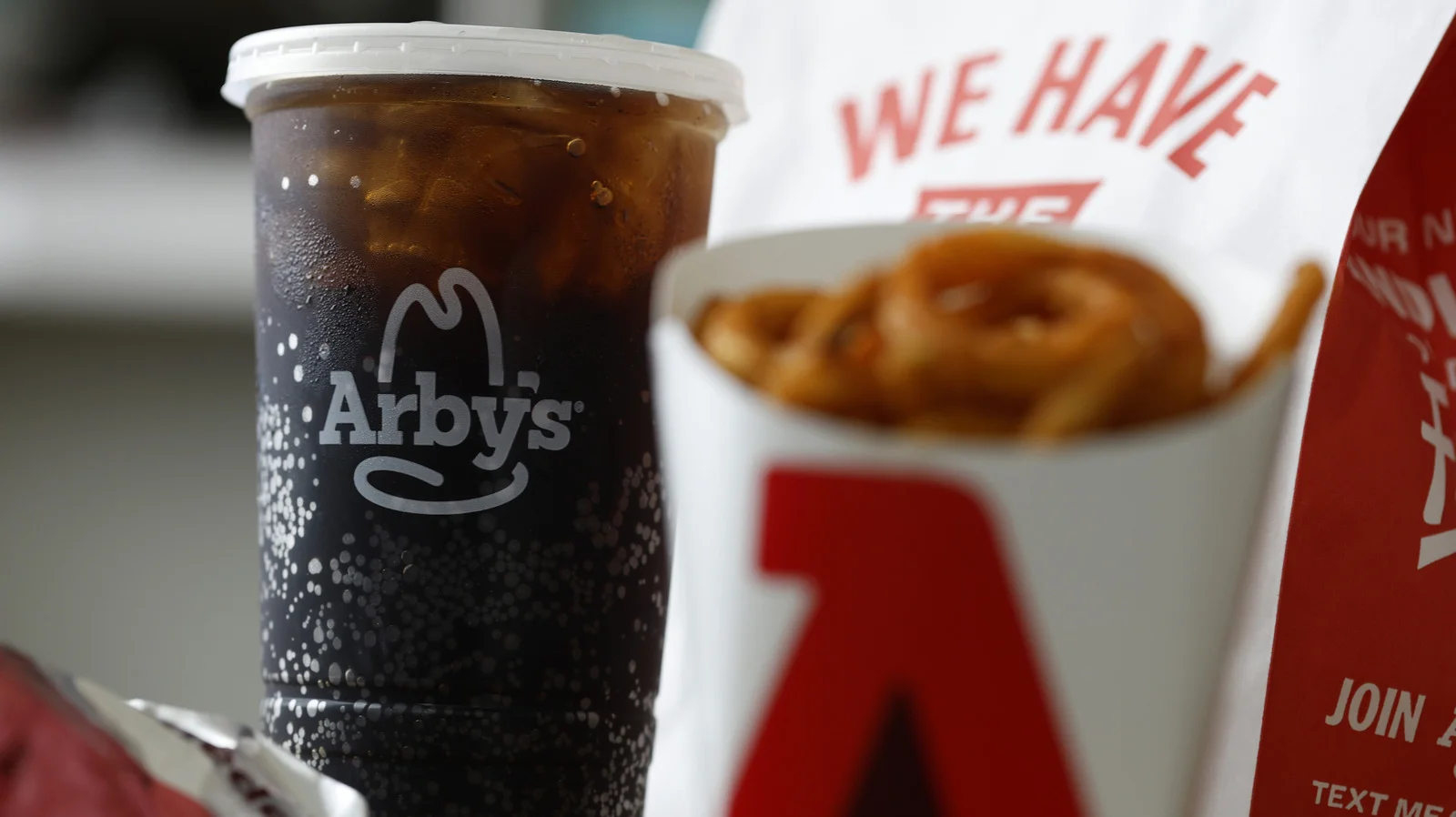
The resurgence of Arby's Potato Cakes highlights the power of consumer demand in the fast-food sector. After disappearing from menus for several years, these crispy potato delights, which have roots in the chain's original 1964 lineup, are back for good, thanks largely to the fervent outcry from dedicated fans.
Characterized by their golden-brown, crispy exterior and fluffy interior, Arby's Potato Cakes offer a satisfying alternative to fries, perfect for pairing with sauces like Horsey Sauce. For about $4, the order includes four triangular wedges that have become a nostalgic side item for many customers. Their abrupt removal in March 2021 in favor of crinkle fries shocked loyal patrons, leading to a flurry of responses across social media platforms like Instagram and Reddit.
The seriousness of the response can't be overstated. In just three years, over 10,000 comments circulated online, pleading for the return of Potato Cakes. One ardent fan lamented on Instagram, expressing frustration over the loss after decades of enjoying them. Similarly, discussions on Reddit echoed sentiments that questioned the decision to replace the beloved side with an undesired option. The public's voice shaped this narrative significantly, signaling to companies the potential backlash from disconnecting from their customer base.
The Triumphant Return
Responding to public pressure, Arby's reintroduced the Potato Cakes as a limited-time offer in July 2024, promoting their comeback with a catchy "Twin Peaks"-inspired commercial featuring Kyle MacLachlan. This marketing strategy wasn't just an attempt at humor; it tapped into the chain's ability to engage with its customer base and turned nostalgia into marketing gold. The use of a recognizable pop culture touchpoint made the campaign resonate on levels beyond just the product itself.
That said, fans soon desired more than just a fleeting return. In February 2025, Inspire Brands LLC, Arby’s parent company, announced that the Potato Cakes would become a permanent menu item. This decision came with a playful yet serious caveat: Arby’s humorously hinted at a "Pre-Class Action Lawsuit," stating customers could receive $1 million if the Potato Cakes were ever removed again before a designated date. It’s a clever move that engages customers in a lighthearted way, while also solidifying the product's position on the menu. What's intriguing is how such humor can disarm customers while also playing into the very serious aspects of brand loyalty and consumer rights.
Lasting Popularity and Expansion
The response has been overwhelmingly positive, with Potato Cakes continuing to garner popularity since their return. By June 2026, the side item made its way to grocery store freezer sections, allowing die-hard fans to enjoy their favorite snack at home. This expansion into retail not only gives consumers an on-demand option but also serves to enhance brand visibility outside the fast-food realm. Whether paired with Arby’s signature Jamocha Shake or accompanied by the classic Beef 'N Cheddar sandwich, Potato Cakes have solidified their place in the hearts of fast-food enthusiasts.
This episode serves as a reminder of how companies can evolve by listening to their customers. The Potato Cakes’ journey from obscurity back to the forefront of Arby’s menu demonstrates the influence of consumer voices in shaping menu offerings and marketing strategies. The Pizza Hut 'stuffed crust' debacle from years ago serves as an example of not engaging with customers. Pizza Hut faced significant pushback when they altered their well-loved menu, leading to a similar outcry that Arby's faced.
Implications and Future Outlook
What this means for you if you're working in this space is significant: it’s not just about sales figures or market trends. Companies that ignore customer feedback often find themselves at a disadvantage. The return of Arby’s Potato Cakes exemplifies a kind of brand engagement that many other fast-food chains could do well to copy. Authentic interaction with consumers might seem basic, but it’s increasingly rare in an industry focused on rapid growth and stock performance.
As we look to the future, it will be interesting to see if more companies adopt this model of consumer-driven changes. Will other fast-food chains start entertaining fan requests to the same extent, or will they continue to impose their own menus on customers? After all, the conversation isn't limited to one side; it requires both brands and consumers to engage and rethink what dining experiences can look like. With nostalgia serving as a potent marketing tool, the revival of retro menu items could become a standard play, gamifying customer loyalty in a new and interesting way.
The episode reminds us how food preferences evolve, altering the dynamics of fast-food marketing. Ultimately, listening closely to consumer sentiment can lead to surprising and profitable outcomes.



Discussion
Sign in to join the discussion.