Learn how to effectively fertilize your indoor herb garden to maximize growth and flavor, ensuring a vibrant culinary experience year-round.
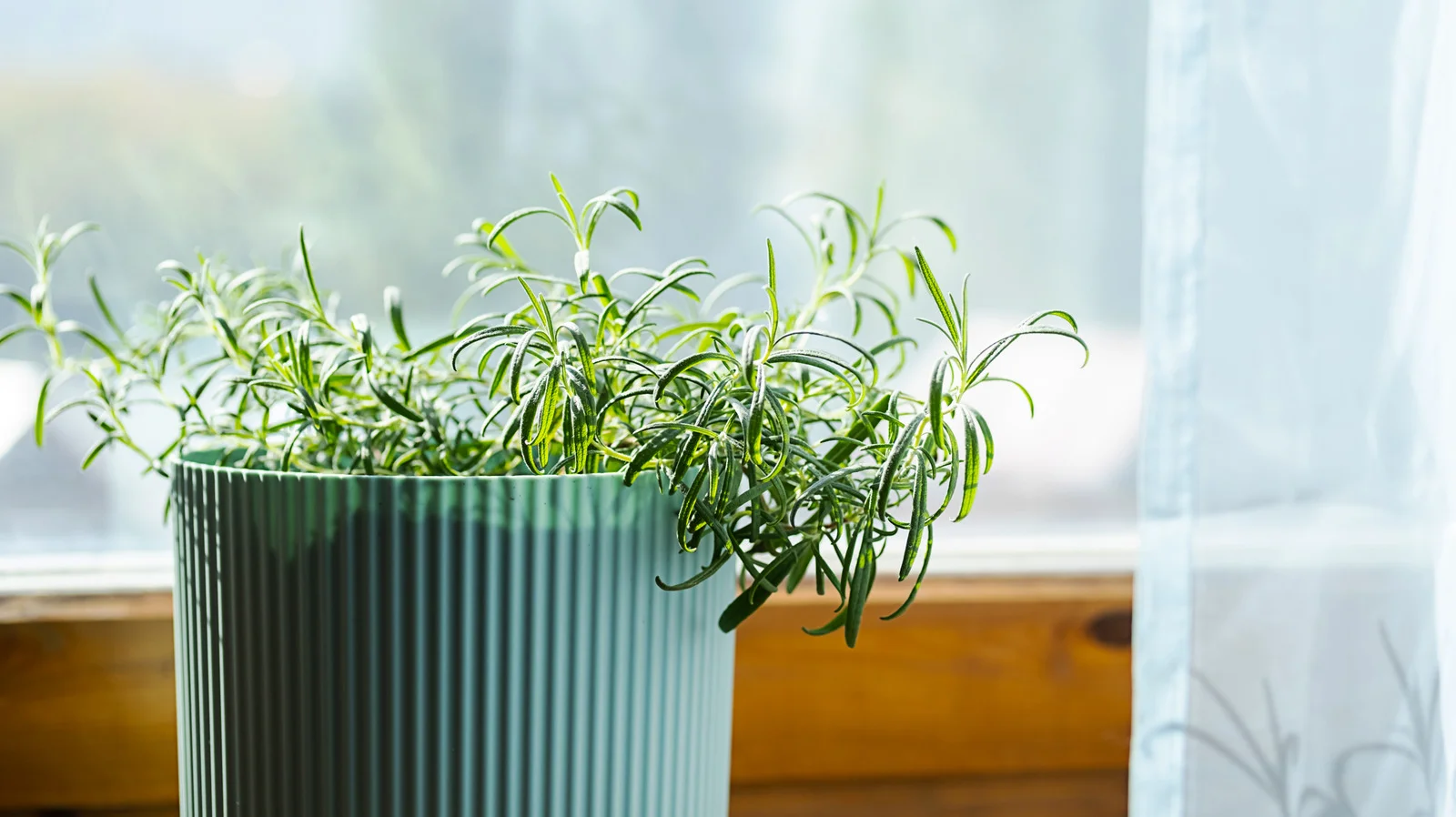
Growing herbs indoors is a convenient way to enjoy fresh flavors throughout the year, insulated from harsh weather and pests. However, successful indoor herb gardening doesn’t rely solely on sunlight and water; fertilization plays a significant role in enhancing growth and yield. Indoor herbs often require more frequent applications of nutrients compared to their outdoor counterparts. So, what's the right approach to fertilizing them?
Optimal Fertilization Schedule
For the best results, mist your indoor herbs with a diluted liquid fertilizer every two weeks. A strategic time for this is just after a harvest, as the plants are then at their most vulnerable. Different herbs have varying nutrient needs: soft-leaved varieties like basil, cilantro, and dill typically demand more fertilizer compared to those with tougher, needle-like leaves such as rosemary and thyme. Adapting your fertilization routine to the specific needs of each plant can lead to a thriving, aromatic herb garden.
Let’s break this down a bit more. Most herb enthusiasts might underestimate the importance of timing when fertilizing. Just like a workout regime, plants need energy replenished at the right moments. After a harvest, your herbs have expended energy and nutrients, making it crucial to provide a nutrient boost to help them recover. Consistency in your fertilization schedule can create a robust cycle of growth, enabling your herbs to flourish indoors year-round. If you’re proactive about this, you might find that your plants yield more aromatic leaves, enhancing not just their appearance but also your culinary experiments.
Choosing the Right Fertilizer
When it comes to fertilization, avoid harsh chemical fertilizers, especially for edible plants. Instead, opt for liquid feeds derived from seaweed or kelp. These organic alternatives not only avoid the unpleasant odors associated with some fertilizers but also provide essential micronutrients without overwhelming the plants. For instance, a kelp-based liquid fertilizer from brands like Bloom City can be ideal; one gallon yields enough fertilizing solution to last for a long period.
And here's the part most people overlook: the source and quality of your fertilizer can significantly impact your herb’s health. Organic fertilizers can improve not just growth but also the flavor profile of your herbs. Chemical fertilizers often speed up growth unnaturally, leading to a potential reduction in the quality of the final product. When you're growing herbs that you plan to use in your cooking, flavor shouldn't be compromised for speed. Always check labels and ensure that what you're adding to your plants consists of naturally derived components. This small diligence pays off in the kitchen.
Enhancing Soil Fertility
Beyond regular liquid feeds, consider enriching the soil with slow-release fertilizers. Options like alfalfa pellets and rock phosphate can provide sustained nourishment for your herbs. These supplements should be incorporated into the soil before planting; they release nutrients gradually, supporting plant growth for several months. Be mindful that not all herbs thrive indoors; consider growing chives, basil, and cilantro, which adapt well to indoor environments. Ensuring that your herbs receive adequate sunshine—ideally from a south-facing window—while rotating the pots can also promote balanced growth.
So, what's the takeaway here? Pay attention to how the soil interacts with your plants. Many homeowners neglect soil health, focusing instead on the foliage and the occasional watering. The truth is, your herbs are only as good as the environment you create for them. Enriching soil not only helps with nutrient availability but also improves the overall structure and drainage, which is key for indoor gardening. Improper drainage can lead to root rot, which is a common problem for indoor plants. Keeping this in check is essential for a successful indoor herb garden.
Implications for Your Indoor Garden
Understanding proper fertilization techniques signifies more than just better growth rates for your herbs; it opens up a pathway to more flavorful meals and a more sustainable gardening practice. People are increasingly looking to integrate gardening habits into their urban lifestyles, and herbs are often the gateway for novices. They'll say a home-cooked dish with fresh herbs is like a simple painting adorned with vibrant colors—it elevates the entire meal.
What's critical is realizing that indoor gardening may not behave the same way as outdoor gardening. If you're working in this space, you’ll find that your approaches may need to shift. Seasonal changes and environmental factors—like humidity and light exposure—have a more pronounced effect indoors. It'll take a bit of experimentation to hit the right notes, but the effort is worthwhile. As you refine your fertilization strategy and experiment with different herbs, you’ll not only enhance your gardening skills but also deepen your appreciation for the culinary arts.
Final Thoughts
By tailoring your fertilization approach and carefully selecting the right products, you can create a lush indoor herb garden that enhances your culinary creations. Whether you're a seasoned gardener or just starting out, understanding how and when to fertilize will keep your indoor herbs healthy and flavorful. Ultimately, it's about more than just gardening; it's about embracing a lifestyle that brings fresh flavors right to your kitchen—from your own indoor oasis.



Discussion
Sign in to join the discussion.