Discover the distinct flavor profiles and ingredient choices behind Taco Bell and Del Taco's seasoned beef offerings.
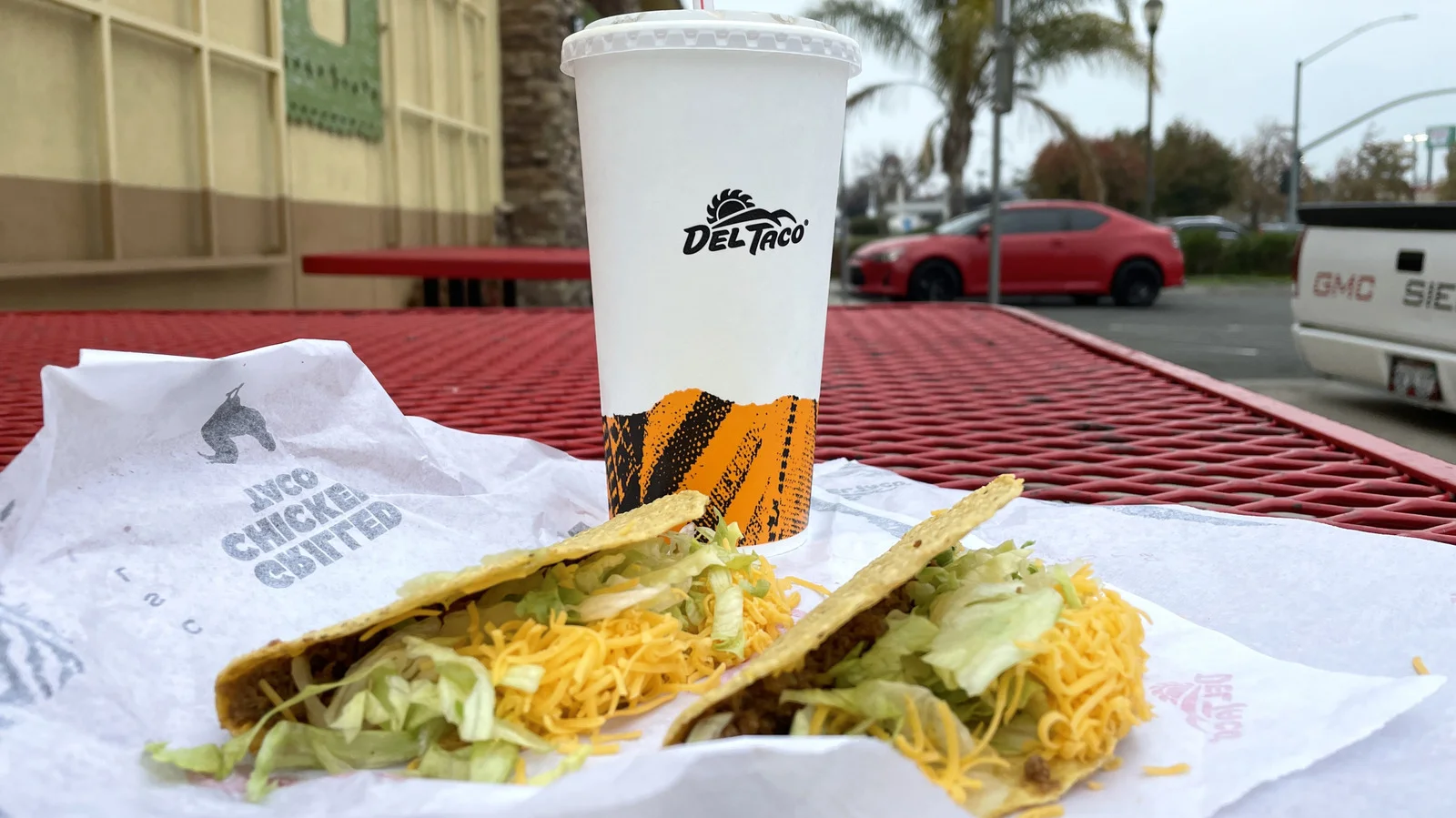
The culinary rivalry between Taco Bell and Del Taco isn't just a matter of branding; it extends deep into the flavors and preparations of their seasoned beef. With over 8,000 Taco Bell locations and nearly 600 Del Taco restaurants across the U.S., these two chains each boast their own proprietary blends of seasonings that significantly influence their menu items. This contrast isn't merely a quirk of branding; it encapsulates broader trends in consumer preferences and perceptions of fast food, particularly in the Mexican-inspired segment.
Seasoning Composition
Taco Bell’s seasoned beef features a blend of ingredients that includes chili pepper, onion, and tomato powder. The chain claims its beef incorporates a secret mix of seven spices, which add layers of flavor, including subtle hints of cocoa and natural smoke. These choices reflect an effort to create a complex flavor profile that appeals to a wide audience, particularly younger consumers who often prioritize taste and experience over perceived healthfulness. Additives like maltodextrin, citric acid, and additional spices further enhance its profile. Critics, however, often question the necessity and health implications of such additives. And yet, the overall enthusiasm for Taco Bell's flavor—despite its complex preparation—has resulted in strong brand loyalty. In contrast, Del Taco opts for a more straightforward approach, seasoning its beef with simple ingredients like garlic powder, chili pepper spices, and onion, along with oats and citric acid. This simplicity is intentional, embracing a philosophy that aligns with a growing consumer preference for transparency about what goes into their food. Notably, textured vegetable protein, derived from soy flour, is also present in the mix, contributing to its unique texture and allowing for some diversity in protein sourcing. In a climate where plant-based diets are gaining traction, Del Taco's inclusion of this ingredient positions it well to attract health-conscious customers, an audience Taco Bell is working diligently to capture as well.
Public Perception and Quality Concerns
Over the years, Taco Bell's beef has faced scrutiny regarding its quality. A notorious legal challenge in 2011 questioned the meat's composition, alleging a meager 35% actual beef content. Taco Bell quickly rebutted, asserting that 88% of its seasoned beef comes from USDA-inspected meat, while the remaining 12% consists of seasoning and water. This public relations battle highlighted issues many fast food chains continue to grapple with: consumer trust. Presently, Taco Bell's website emphatically states that the beef is made from “100 percent USDA premium beef.” This commitment to quality has earned the product a loyal following, especially among customers who prioritize big flavors over transparency. Conversely, Del Taco has skirted similar controversies, building its reputation on a distinct Southern California style of Tex-Mex. The chain emphasizes fresh ingredients, such as their beans and cheese, often highlighted by customers for their contribution to the overall taste experience. The emphasis on freshness contrasts starkly with Taco Bell's more processed image. Anecdotes from fans on platforms like Reddit suggest that many prefer Del Taco’s offerings over Taco Bell’s, citing freshness as a decisive factor. One enthusiastic diner remarked, “This puts TB to shame! I would always rather have Del Taco.” Yet, geographic availability remains a barrier for some fans. If you're working in this space, this demonstrates how location can influence customer loyalty and brand perception.
Implications and Future Outlook
This rivalry between Taco Bell and Del Taco isn’t just a competition for market share; it represents an ongoing dialogue about consumer expectations around fast food. As younger consumers demand higher transparency, favoring freshness and quality over speed and convenience, chains like Taco Bell may need to adapt. The question remains whether Taco Bell will pivot towards more straightforward preparations and fewer additives to align with changing preferences. Conversely, Del Taco may continue to enhance its appeal by expanding beyond innovative ingredients to include sustainable sourcing practices. The future also holds implications for menu innovation as both chains strive to retain their customers in an increasingly competitive market. Expect to see both brands jockeying for position by introducing new items or limited-time offerings that play into current trends, such as plant-based proteins or health-conscious options. And let's be real: who doesn’t love a new taco twist? However, it’s critical for them to balance innovation with maintaining the core identity that attracted their loyal patrons in the first place.
Conclusion
In the battle of fast-food beef, Taco Bell and Del Taco provide contrasting experiences that cater to different palates. Whether you lean towards Taco Bell’s smoky, richly seasoned offerings or Del Taco’s fresher, straightforward flavor, it’s evident that both chains have carved out distinct niches in the fast-food industry. The stakes aren't just about taste; they’re about how each brand defines itself against the other. This ongoing rivalry will undoubtedly continue to influence the broader fast food sector as chains adapt to changing consumer tastes and expectations.



Discussion
Sign in to join the discussion.