Discover the Bright Flavors of Yuzu Kosho: A Must-Have Pantry Staple
RELEASE Aug 17, 2026VIEWS 465DESK Namiko Hirasawa Chen
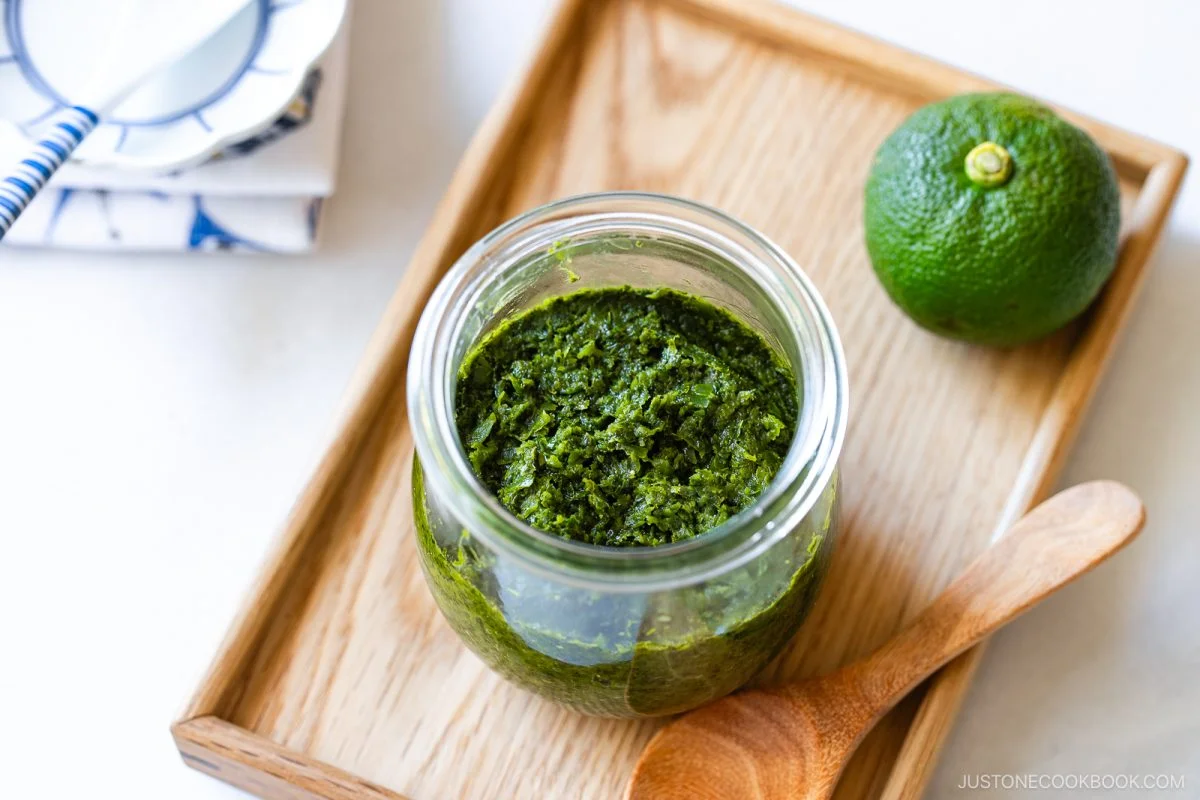
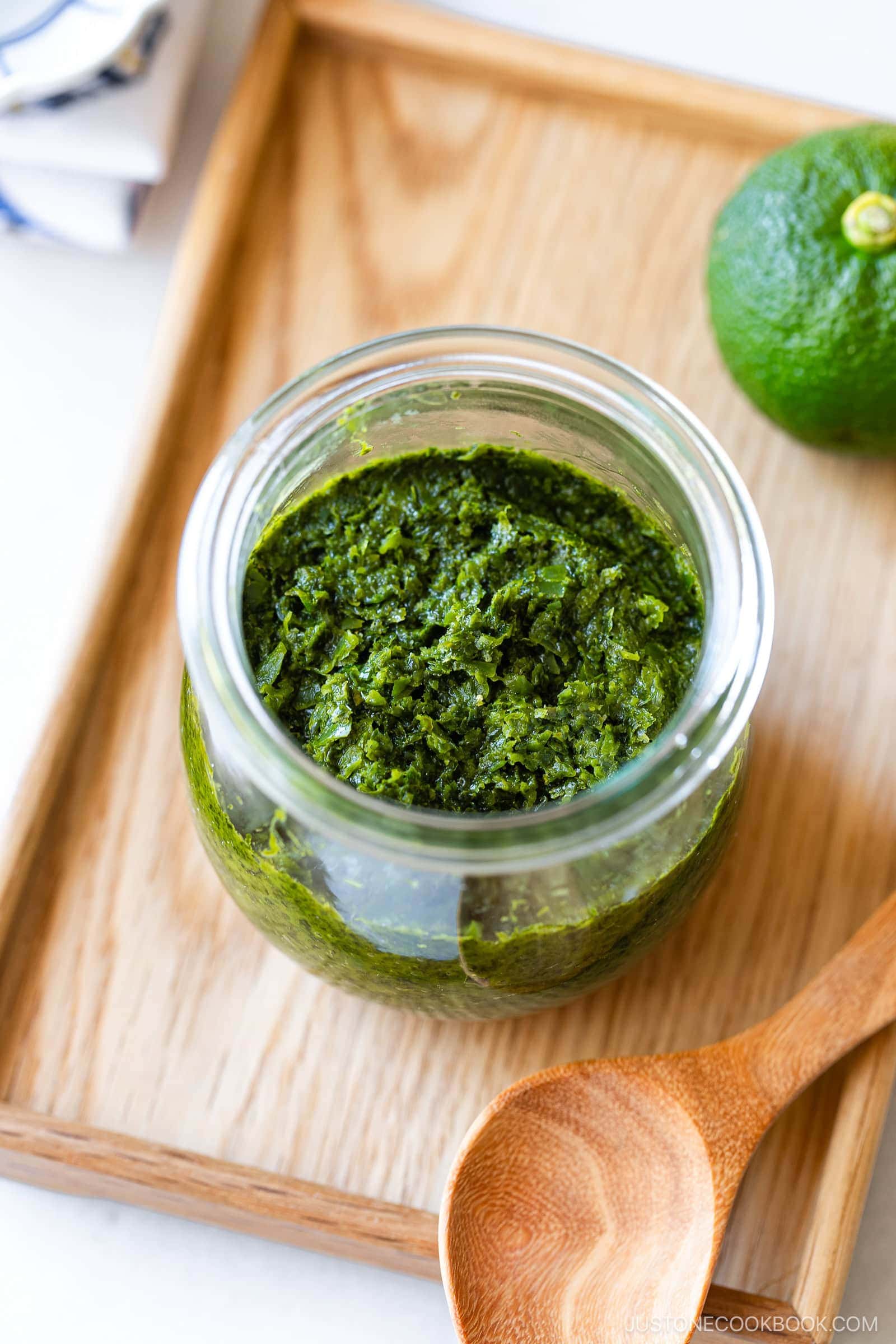
Yuzu kosho, a vibrant Japanese condiment, enhances dishes with its zesty flavor—perfect for summer cooking and easily made at home.
Why Yuzu Kosho Deserves a Spot in Your Pantry
Yuzu kosho is more than just a condiment; it’s a vibrant staple of Japanese cuisine that encapsulates the essence of summer in its fiery, citrusy profile. As any enthusiast in the culinary world will tell you, this zesty paste—crafted from just three simple ingredients—packs a punch that's capable of elevating an array of dishes.
Harnessing the bold flavors of green yuzu, chilis, and salt, yuzu kosho thrives during the summer months when fresh yuzu is harvested. The timing is fortuitous, as green chilis are also in season, making this a perfect project for those looking to experiment in the kitchen. The fermentation process, which can take one to two weeks, lends the paste its unique depth and complexity.
Why I'm Drawn to This Recipe
The appeal of yuzu kosho goes beyond its flavors. This recipe stands out to me for several reasons:
Versatile: It’s a go-to for enhancing everything from soups to grilled meats, making it a must-have for various cuisines.
Simplicity: With only three ingredients, it’s straightforward to prepare, even for novice cooks.
Customizable: You can experiment with different citrus or chilis to cater to your palate, allowing for a personalized touch.
If you’re looking for more summer recipes to channel your culinary creativity, why not check out my other favorites, like Japanese Plum Wine or Ume Miso? Each offers distinct flavors and experiences to explore.
Understanding Yuzu Kosho
If you're new to yuzu kosho, its name translates to "yuzu pepper." Yet what you might not realize is that “kosho” has a dual meaning in Japanese—typically referring to black pepper, it also denotes chili pepper in the local dialect of Kyushu, where this condiment originates.
There are two notable variants:
Green yuzu kosho: Made with unripe yuzu and green chilis, this version provides a tangy, fresh heat that's ideal for summer dishes.
Red yuzu kosho: Crafted from ripe yellow yuzu and red chilis, this variant offers a gentler warmth, making it suitable for those who prefer milder flavors.
Essential Ingredients
To whip up your own batch of yuzu kosho, you'll need the following components:
Green yuzu: If unavailable, lime or lemon works as a good substitute.
Green chili peppers: Opt for serranos if you can't find the traditional types.
Kosher or sea salt: Essential for the fermentation process.
Make sure to check out the printable recipe below for precise measurements.
One key thing to remember is that this isn’t a last-minute endeavor; you’ll need to allow the mixture to ferment for 1 to 2 weeks to fully develop those bold flavors. If you have the patience, the results are absolutely worth it.
Preparation Steps for Yuzu Kosho
Crafting yuzu kosho at home is an art that starts with proper preparation. The first step is to ensure your workspace and tools are sanitized.
Sterilizing the Jar: Begin by boiling a glass jar for approximately 10 minutes. After boiling, allow it to air-dry upside down on a clean towel to eliminate any lingering germs.
Grate the Yuzu: Next, you’ll want to zest the yuzu carefully. Using a microplane, grate the peel while steering clear of the bitter white pith. To achieve precise measurements, weigh the zest using a digital scale, which will help you establish the right balance for your mix.
Preparing the Chilis: When it comes to chilis, wearing food-safe gloves is a must. Slice each pepper down the middle, remove the seeds, and trim any excess pith. The weight of the trimmed chilis should match that of your zest, maintaining the flavor profile.
Creating the Paste: For the blending process, finely chop both the zest and chilis together in either a food processor or with a mortar and pestle. Once you achieve a uniform paste, weigh it again and incorporate salt, aiming for about 15-20% of the total weight.
Jarring and Fermenting: To finish, press the paste into your sterilized jar, ensuring you remove any trapped air pockets before sealing it. Let it sit at room temperature for one day, then transfer it to the refrigerator to ferment for a week or two. This fermentation is key—it softens the flavors, taking your condiment from sharp to something wonderfully complex.
Key Considerations for an Authentic Yuzu Kosho
As you embark on your yuzu kosho journey, there are essential tips to maximize your results.
Opt for Organic: If you can, choose organic yuzu since pesticide residues linger on the skin, affecting taste and quality when the zest is a primary ingredient.
Choose Your Salt Wisely: Avoid iodized salt during this process; its presence can suppress fermentation and impart an unwelcome flavor. Instead, stick with kosher or other additive-free sea salts.
Weigh Your Ingredients: Given that the size of yuzu and chilis can vary significantly, weighing them is crucial for consistency.
Stick to the Salt Ratio: Hitting that 15-20% salt mark is paramount—too little could spoil the batch, while too much could overwhelm the yuzu's citrus notes.
Seal it Right: Almost as important as the ingredients themselves is how you pack the jar. Ensure you eliminate air pockets and consider placing parchment paper on the surface to maintain both color and flavor during fermentation.
By adhering to these steps and considerations, you’ll unlock the rich, zesty essence of yuzu kosho, perfect as a seasoning or condiment to elevate your culinary creations.
Why Yuzu Kosho Matters in Your Kitchen
If you're not currently using yuzu kosho, you might be missing out on a transformative ingredient. This zesty Japanese condiment punches well above its weight, infusing everyday dishes with complexity and brightness. It’s not just a flavor enhancer; it's a game-changer for your typical culinary repertoire.
Incorporating yuzu kosho into traditional recipes is straightforward. Consider adding it to soups like this **[homemade miso soup](https://www.justonecookbook.com/miso-soup-yuzu-kosho/)** or **[udon noodle soup](https://www.justonecookbook.com/udon-noodle-soup/)** for a refreshing twist. The citrusy note pierces the rich broth, awakening your palate in ways you didn’t know were possible.
What’s particularly interesting is how versatile it can be. Want to elevate your onigiri game? Try mixing yuzu kosho into the rice or filling, especially in **[tuna mayo onigiri](https://www.justonecookbook.com/tuna-mayo-onigiri/)**. You'll find that this lively flavor balances beautifully with the creaminess of the mayo and the savory tuna.
Now, think about grilled proteins. Imagine dabbing yuzu kosho on **[yakitori](https://www.justonecookbook.com/yakitori/)** or **[yakiniku](https://www.justonecookbook.com/yakiniku-japanese-bbq/)**. Or, if you prefer fish, either **[grilled mackerel](https://www.justonecookbook.com/grilled-mackerel-saba-shioyaki/)** or sashimi makes an exceptional pair. The condiment acts almost like a citrusy salsa, enhancing grilled flavors with its vibrant heat.
For those who love dipping sauces, stirring yuzu kosho into **[oden](https://www.justonecookbook.com/oden/)** or hot pot sauces gives them a lively kick. And don’t forget about dressings; a dash transforms mayo or cream cheese into rich, quick dips for your parties.
If you’re still skeptical about yuzu kosho, consider this: it can even enhance simple edamame. Coat warm pods with a touch of this spirited paste for a snack that’s anything but ordinary. We tasted this while visiting Kyushu and it was an instant hit; look for that recipe soon!
As your palate evolves, embracing ingredients like yuzu kosho can boost your culinary creativity. Whether you’re entertaining guests or just whipping up a weeknight dinner, this condiment brings intrigue to every plate. Don’t just take my word for it—experiment and watch your dishes come to life with a refreshing brightness you never knew you needed.



Discussion
Sign in to join the discussion.