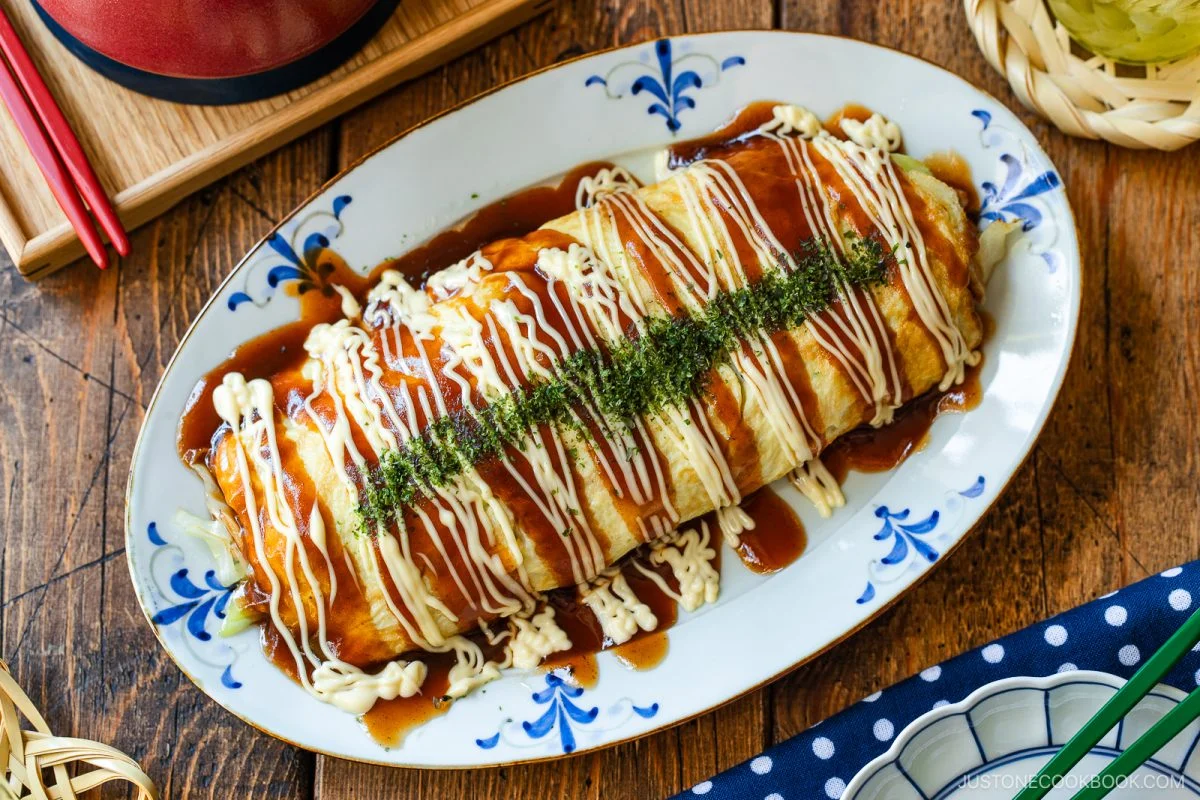
Tonpeiyaki is a quick and easy Japanese omelette featuring pork, cabbage, and flavorful toppings, perfect for a weeknight dinner.
What Makes It Special?
This isn’t just another omelette; tonpeiyaki serves up the iconic tastes of okonomiyaki without the heft of a batter-laden dish. By marrying the essence of pork and cabbage with the fluffiness of eggs, it delivers that satisfying umami hit in about 20 minutes. The secret? A potato starch slurry incorporated into the egg mixture. Here’s the key takeaway: this technique ensures a tender structure that avoids the dreaded tear while wrapping.
The Allure of Tonpeiyaki
You might not be familiar with tonpeiyaki, but if you’re a fan of comfort foods with a twist, you'll appreciate a few crucial aspects:
- Flavor without Compromise: Enjoy the authentic taste of okonomiyaki's beloved ingredients but in a lightened form. No need for griddles or lengthy prep times; just a few simple steps and you’re set.
- Techniques that Matter: The use of potato starch creates an omelette that not only cooks beautifully but also embraces its content rather than letting it fall apart.
- Signature Sauces: The threesomes of okonomi sauce, Kewpie mayo, and aonori elevate tonpeiyaki, giving it the flair necessary to distinguish it from traditional fare.
Given its quick preparation time and minimal ingredient list, tonpeiyaki is ideal for weeknight dinners or when time is tight. If you’re accustomed to crafting dishes from your fridge, consider this your next go-to recipe. Whether you're a seasoned cook or just dipping your toes into Japanese cuisine, tonpeiyaki is waiting to become a regular in your meal rotation.
Preparing Your Tonpeiyaki
Start by prepping your ingredients: shred the cabbage into thin strips and cut the pork belly into half-inch pieces. For the eggs, break them into a bowl and gently mix in a starch slurry made from potato starch. This step is crucial; it helps maintain the omelette's soft texture.
Next, it’s time to cook your filling. Heat a frying pan over medium heat and add some oil. Once hot, introduce the pork belly and sauté until it turns a nice golden brown and is no longer pink. Incorporate the cabbage and continue cooking until it softens and wilts. To enhance the flavor, add a splash of soy sauce and mirin, then transfer your tasty filling to a separate tray and set it aside while you clean the pan for the omelette.
Now, let’s make that omelette. In the same pan, heat more oil until it shimmers. Pour your egg mixture in, and you’ll notice large bubbles forming almost immediately. Use a chopstick to poke these bubbles, allowing the uncooked egg to seep into the holes. This technique is key for ensuring even cooking; you want the bottom just set before moving on to the next step.
For the assembly, place the filling right in the center of the eggs, then carefully fold over the sides. Slide the omelette to the edge of the pan and angle a plate beneath it to help flip it over effortlessly. Don’t worry about its appearance—take a moment to reshape it on the plate afterward, ensuring it looks appetizing for serving.
Finally, bring the dish together with some finishing touches. Drizzle a mix of okonomi sauce and Japanese mayonnaise on top to pack in more flavor, and finish with a sprinkle of aonori seaweed. This final step isn't just for looks; it enhances the dish’s flavor profile and gives it that authentic touch.
Expert Tips for Best Results
If you want to elevate your tonpeiyaki, follow these tried-and-true tips. First, aim to slice the cabbage about a quarter-inch thick to ensure it retains a nice bite. Using a knife over a slicer helps avoid sogginess in your filling.
Also, don’t overdo the pork. Soft, tender bites are the goal, so sauté just until it's no longer pink. It will continue cooking when combined with the cabbage, locking in that tenderness.
When preparing the eggs, remember to add your starch slurry without whipping them too much; that’s key to preventing an overly airy omelette that may tear. It’s about creating a balance to keep the texture intact.
For the best cooking method, opt for a 10-inch pan—this size provides just the right heat distribution. A hotter pan will help the eggs cook quickly, giving a better texture and allowing for easier folding.
Keep an eye on those bubbles that form as the eggs cook. Puncturing them allows steam to escape and helps create a smooth surface for filling. Don’t wait until the top is fully cooked before adding your filling; this could result in a rubbery texture. Instead, place your filling as soon as the bottom has set slightly.
Lastly, when you flip, take the time to adjust the shape on the plate; a well-presented dish goes a long way in impressing anyone at your table.
Final Thoughts on Tonpeiyaki
Tonpeiyaki offers a delightful glimpse into the heart of Japanese comfort food. Its origins in Osaka provide not only a tasty experience but also a story of resilience and creativity born from post-war necessities. As you explore this dish, you’ll find that it elegantly streamlines the cooking process while delivering robust flavors. The absence of heavy batter sets tonpeiyaki apart from its cousin, okonomiyaki, making it a more accessible option for weeknight dinners.
The versatility of tonpeiyaki allows it to adapt across seasons. Whether you’re pairing it with light sides like Hiyayakko (a refreshing cold tofu dish) or the heartiness of Miso Yaki Onigiri (grilled rice balls), there's room to tailor your meal.
What’s truly intriguing is how quickly tonpeiyaki can become part of your regular cooking repertoire. The simplicity of the ingredients and the execution means busy home cooks can easily whip it up without extensive prep. If you're venturing into Japanese cuisine, tonpeiyaki stands out as an approachable yet satisfying introduction.
So, give it a go and see how this flavorful omelette can become a staple in your kitchen. And don’t forget to share your cooking experiences; feedback not only enriches your learning curve but also supports the community of passionate home cooks looking to explore this delicious realm together. Enjoy the process, and savor the result!

Discussion
Sign in to join the discussion.