In 1992, Burger King briefly tried table service and fancier dinner baskets. It faded by 1994, but chains are circling similar ideas again.
A fast food chain slows down
Burger King's 1992 flirtation with sit-down dining should have died in a conference room. Instead, it reached real restaurant floors in the middle of the burger wars, when every chain was fighting over the same drive-thru customers. That timing made the idea a notable gamble: Burger King was trying to add a slower, more elaborate meal to a business built around speed and familiarity. The chain wasn't simply adding a few dinner options. It was asking customers to see a quick-service restaurant differently.
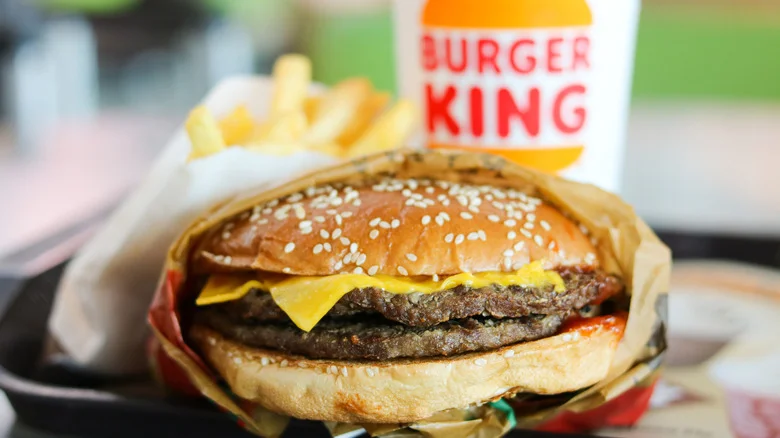
Calling it fine dining would be generous. Still, for a stretch, the chain known for speed, flame-broiled patties, and paper crowns tried to slow dinner down. Some locations rolled out table service and a menu of "BK Dinner Baskets" that went well beyond the Whopper. Options included steak sandwiches, fried shrimp, and meatloaf sandwiches, plus regional picks like fried clams in the Northeast. The variety suggests an effort to make the offer feel like a proper dinner, rather than a larger version of the usual lunch order.
That distinction mattered. A burger chain can add an unfamiliar item, but a sit-down meal changes what customers expect from the room, the staff, and the time they spend there. The dinner menu also had to make sense alongside a brand whose strongest associations were speed and convenience. Steak and shrimp could signal a more substantial occasion; they could also leave customers wondering what kind of restaurant Burger King wanted to be.
Service, with one foot still at the counter
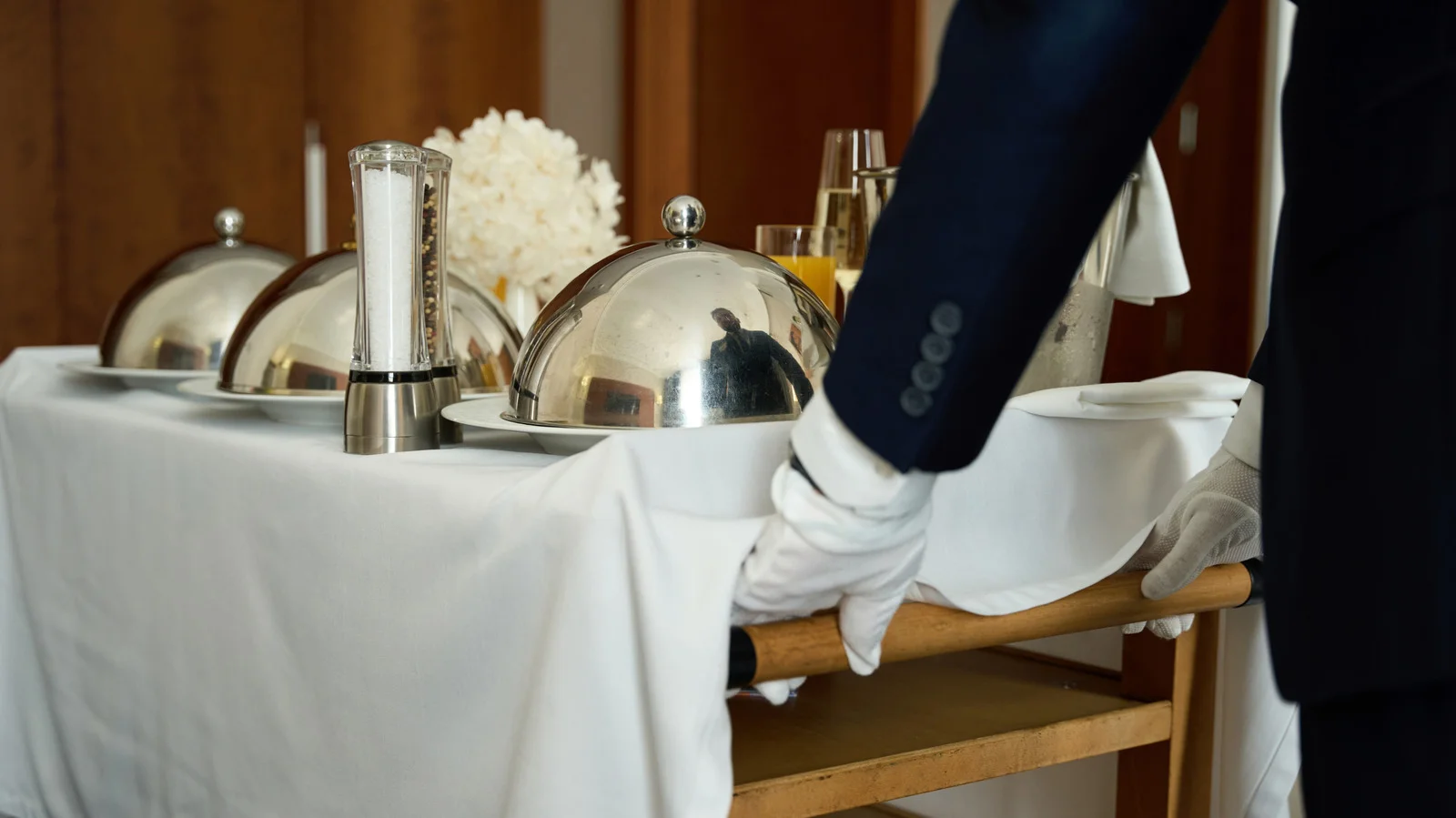
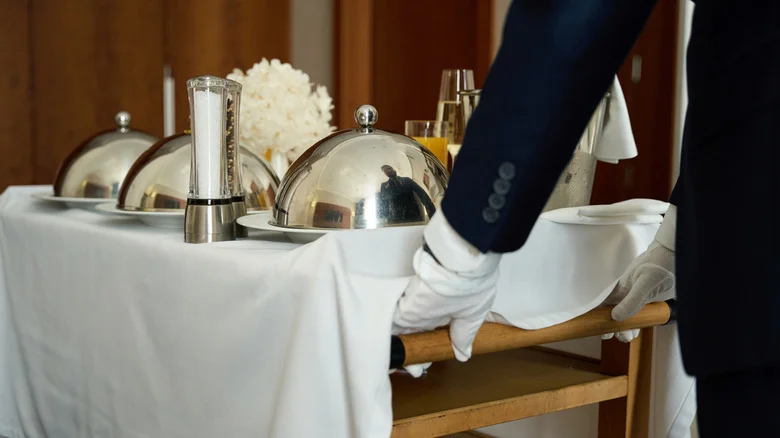
The setup was only half-committed. You still ordered at the counter. Then you got a basket of popcorn to nibble on while you waited, and servers brought the food to your table. Dinners came with baked potatoes, coleslaw, or garden salads. A few operators went further and set out white tablecloths and candles, which suggests the idea had believers inside the system, not just in marketing meetings. It also left the experience straddling two formats: counter service at the start, table service after the order.
That hybrid could be read as a practical compromise. Customers didn't have to learn a new ordering routine, while the restaurant could borrow familiar signals of a sit-down meal once they were seated. But those signals create expectations. A tablecloth and candle can make an ordinary dinner feel more considered; they can also make the gap between the presentation and the food more noticeable. (And this is the part most people overlook.) The details of service aren't decoration when the whole pitch depends on making the meal feel different.
Why the experiment didn't stick
Was it misguided? Probably. But it was the '90s, dial-up was how most people got online, and fast food was still figuring out what it wanted to be. Burger King backed the concept with loud, splashy commercials featuring former MTV host Dan Cortese and Bob Uecker, the broadcaster better known as Mr. Baseball. The celebrity pairing gave the pitch visibility, but visibility isn't the same as a reason to change dinner plans. That said, ads can't fix an idea that asks customers to change their habits. The program was gone by 1994.
The short run doesn't prove that customers rejected every part of the concept. The source material doesn't say why the program ended, and it would be a stretch to claim a single cause. What the timeline does show is that a memorable campaign and a distinctive menu weren't enough to keep the experiment going. Table service takes more coordination than handing a customer a bag, and an expanded dinner menu asks a restaurant to deliver a different kind of visit. Those demands have to justify themselves in the everyday experience.
The impulse behind it never really went away, though. Here's the thing: fast food chains keep testing versions of the same bet. McDonald's tried table service in Australia, serving gourmet burgers on wooden boards with real cutlery. Wendy's offered a bacon cheeseburger in Japan topped with chopped black truffles and white truffle oil. And on October 29, 2026, McDonald's ran a reservation-only chef's table tasting menu in New York City, featuring Top Chef winner Tristen Epps-Long, a former McDonald's crew member. These are different formats, but each gives a familiar chain a chance to frame its food as an occasion.
The packaging has changed
The difference now is the presentation. Burger King leaned on popcorn, tablecloths, and a television-friendly pitch. Today's experiments arrive with chef credentials and reservations. And yet, the underlying bet is the same: that a premium fast food experience can make a chain feel like more than a quick stop. My read is that it works best as an event rather than a permanent identity, because customers who want a lingering meal already have other options.
This is more significant than it looks. A limited event can make a chain's familiar name feel novel for one night, while a permanent shift would have to earn a place in customers' routines. Those are different tests. The first can draw attention through scarcity and a special setting; the second has to work repeatedly, across ordinary meals and ordinary service. If you're working in this space, that's the hard question: can a special presentation create lasting demand, or does it mainly create a story people remember?
In practice, the '90s model may have been caught between the two. It went beyond a standard counter meal, but kept counter ordering; it added dinner dishes, but remained inside a fast food chain. That in-between quality is a useful reminder that premium cues alone don't settle a brand's identity. Customers still have to understand what they're being offered and why it's worth choosing.
What the experiment leaves behind
With '90s nostalgia showing up everywhere, Burger King has a ready-made story to tell. Bring back the tablecloths and keep the popcorn. Just don't count on Dan Cortese for the sequel. A revival could work as a wink to the era, especially because the old idea was strange enough to be memorable. But nostalgia is a hook, not a service plan.
For chains considering similar moves, the lesson is less about whether a burger can be served on a wooden board or beneath a cloche than about the promise surrounding it. A one-off tasting can lean on a chef, a reservation, and a sense of occasion. A lasting restaurant format needs a clear reason for customers to return and a service model that supports the promise. Burger King's dinner experiment didn't settle that question. It did make the tension visible: fast food can borrow the rituals of a sit-down meal, but it still has to persuade people that the extra time changes the experience.
Discussion
Sign in to join the discussion.