Deep-frying thick-cut French toast sticks creates a crisp shell and custardy center. Freezing them first makes cutting easier and helps prevent breakage.
Why frying changes the texture
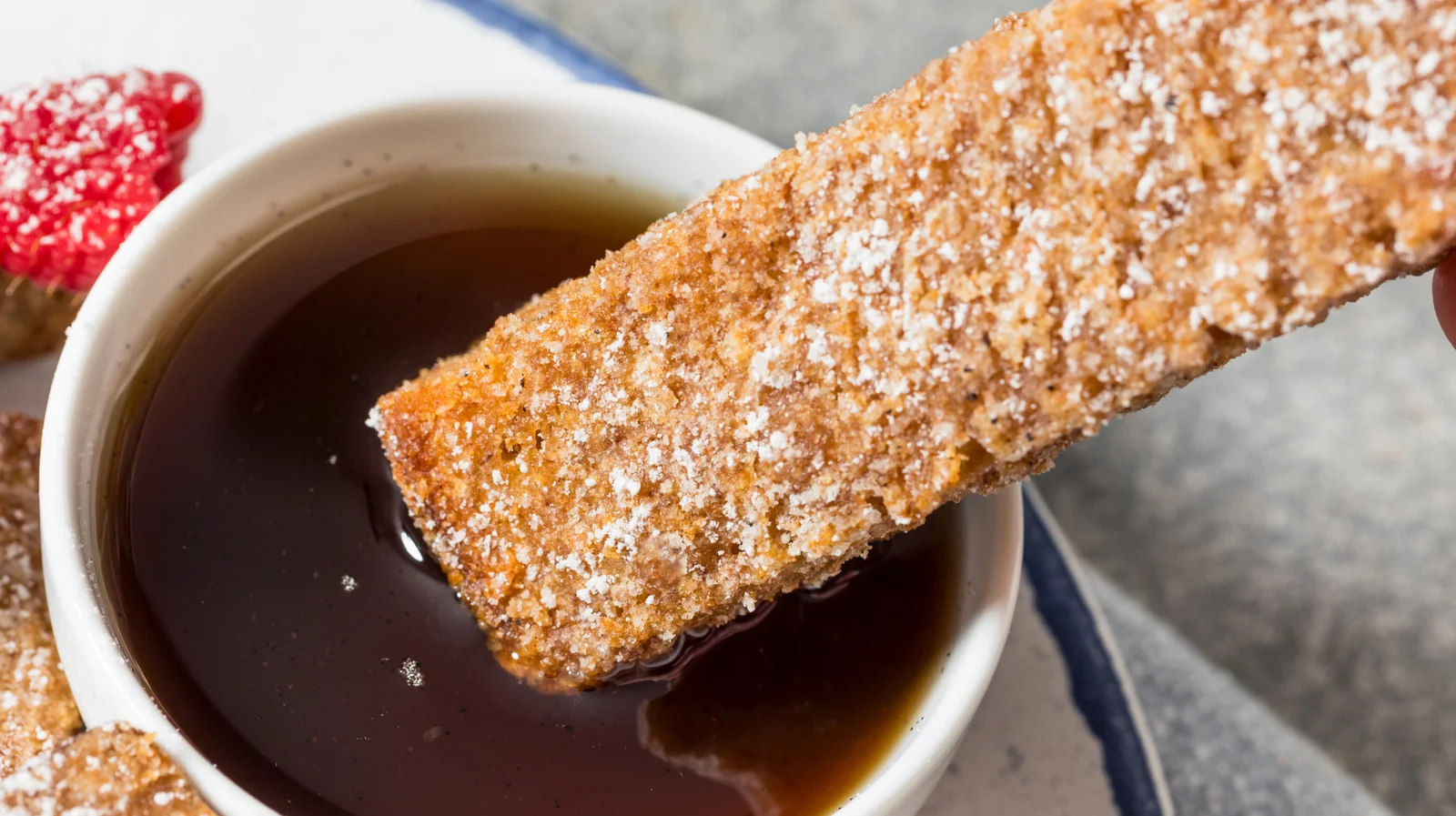
Deep-frying gives French toast sticks a contrast that pan-frying can miss: a crisp exterior around a soft, custardy center. Burger King has served its version since 1986, and that long-running format points to the appeal of the shape as much as the flavor. A stick is easy to pick up and dip, while its smaller sides give the hot oil more surface to crisp.
At home, the method is simple, but the details matter. Thick-cut bread can take on egg custard without collapsing as quickly as a thin slice, and frying calls for enough care to keep the coating from turning greasy before the center is warm. The aim is a golden shell, not a hard crust; the inside should still taste like French toast, soft and rich rather than dry.
Choose bread that holds its shape
Texas toast, brioche, and challah work especially well because they hold their shape after dipping. Their thicker slices give the custard time to coat the bread without immediately soaking through, though each loaf will absorb it differently. Cut the bread into sticks, coat them in your usual egg custard, then fry in oil heated to 350 degrees Fahrenheit for a few minutes per side, until golden. Drain the sticks on paper towels and, while they're still warm, coat them in powdered sugar or cinnamon sugar. For more flavor in the custard, try these ways to boost French toast.
That temperature is a useful starting point, not a guarantee that every batch will cook at the same pace. Stick thickness, bread density, and how much custard clings to each piece all affect the result. Watch the color and texture as the sticks fry, and avoid crowding the pan: adding too many pieces at once can make it harder to turn them evenly and keep track of browning. If you're new to frying, work in small batches and let each one drain before serving.
Here's the thing: the custard should flavor the bread, not drown it. A quick dip can be enough for a soft loaf, while sturdier bread may need a little longer to absorb the mixture. If the bread starts to feel fragile in your hands, it's already telling you to handle it gently. A neat coating matters less than keeping the pieces intact.
Make the sticks easier to handle
Custard can soften bread enough to make cutting and frying tricky, especially when the slices are delicate. Chilling the sticks in the freezer for 30 to 60 minutes before cutting and cooking firms them up, helping you get more even pieces that are less likely to fall apart. This is more significant than it looks: pieces that hold together are easier to coat, turn, and lift from the oil, which makes the whole process less fussy. The extra chill is useful for stuffed French toast, too: it helps keep the filling in place as you cut.
Chilling is a handling aid, not a substitute for choosing sturdy bread or paying attention while frying. The sticks should be firm enough to move without bending, but the goal isn't to serve them frozen or hard. If you prepare them ahead, give yourself room to separate the pieces so they don't freeze together; that small bit of organization can save time when breakfast is underway. And this is the part most people overlook: the coating and the bread need different treatment, so add sugar after frying rather than before it goes into the oil.
You can also prepare a batch ahead and freeze it for a faster breakfast later. Serve the finished sticks with syrup, as Burger King does, or switch things up with maple butter, maple yogurt, hot honey, applesauce, or Nutella. The range of dips gives the same base recipe a different feel, from familiar and sweet to tangy or spicy. Keep the toppings on the side when serving a group, so the crisp coating doesn't sit under sauce and soften before anyone takes a bite.
Build a breakfast around variations
Many French toast recipes can be adapted for frying as sticks. These French toast variations offer ideas for different batters and fillings, though a recipe designed for a skillet may need a little adjustment when the pieces are smaller and surrounded by oil. Rich additions can make the sticks more delicate, so the bread's structure becomes even more important. For a group breakfast, set up several options so everyone can try a different combination.
The key is choosing bread sturdy enough to take the dip and fry while keeping its soft center. That simple constraint shapes nearly every other decision: how long to soak the bread, how carefully to turn it, and which toppings make sense. If you're working in this space, think of the sticks as a format for testing flavors, not a reason to pile every possible filling into one batch. Too many additions can obscure the contrast that makes the dish appealing in the first place.
There’s a practical payoff, too. Sticks are easy to portion and share, and a tray can offer several flavors without requiring a different cooking method for each one. Still, the core technique deserves attention; a new dip won't rescue bread that has become soggy or pieces that have browned unevenly. Start with the texture, then vary the custard and toppings. Simple, but satisfying.
What the format gets right
French toast sticks turn a familiar breakfast into something more portable and customizable. Their shape makes dipping part of the experience, and the crisp exterior gives each topping a clear role rather than letting it disappear into a plated stack. That said, deep-frying adds a step and requires more attention than cooking slices in a pan. The trade-off is worth considering when you want the crunch that defines the style.
For a home cook, the useful lesson is less about copying a fast-food version exactly and more about understanding why the method works. Thick bread helps preserve the center, a controlled soak protects the structure, and warm sticks take sugar readily after draining. Get those basics right, and the recipe leaves plenty of room for personal preference. The shape is familiar; the details are yours to adjust.
Discussion
Sign in to join the discussion.