Crisp fried bologna meets creamy, tangy pimento cheese for a Southern-style sandwich, with white bread and fresh tomato adding even more regional flavor.
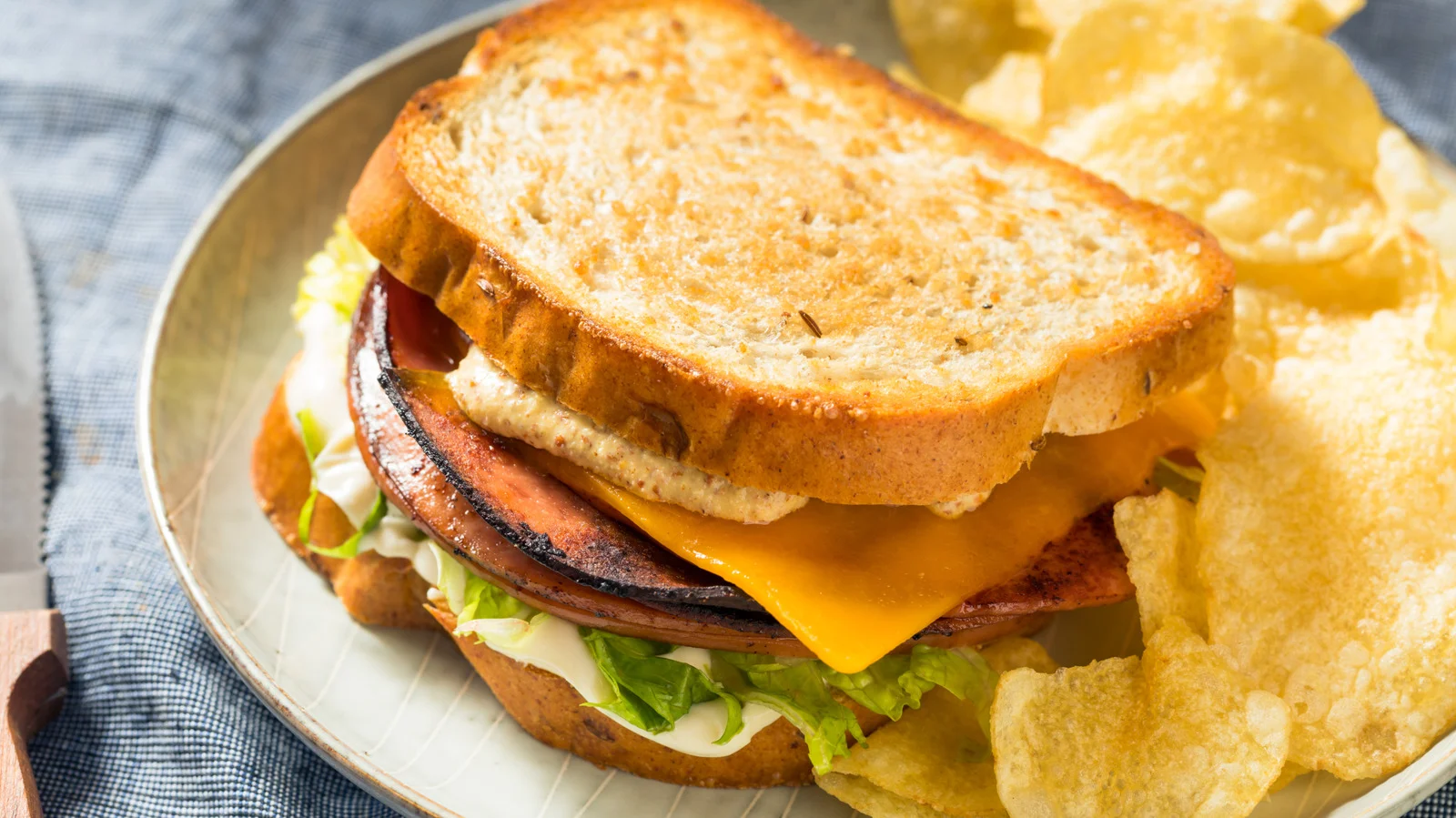
Fried bologna gets its appeal from contrast: crisp, browned edges bring savory depth to a familiar deli meat. Pimento cheese adds another layer, pairing the bologna’s saltiness with a creamy, tangy spread. Together, they turn a simple sandwich into a meeting of two Southern staples, with each ingredient doing a different job. The bologna supplies heat and a firm, browned bite; the cheese spread brings cool softness and a sharper, sweeter note.
That contrast matters because both ingredients are rich on their own. Bologna can taste salty and fatty, while pimento cheese is usually dense, creamy and savory. Put them together without anything to break up that weight, and a few bites may be enough. The sandwich works best when its components stay distinct: crisp meat, soft spread, and bread that holds them without adding too much of its own flavor.
Pimento cheese typically combines grated cheddar, mayonnaise and sweet red pimento peppers. Recipes vary: some add cream cheese, herbs, spices or bacon for more texture and flavor. Those choices change the balance. A version with extra cream cheese may be softer and milder, while added spice can make the spread more assertive. There’s no single required formula, but the spread should remain easy to spread and flavorful enough to stand up to hot bologna.
The spread already has a long history as a sandwich filling, so it fits naturally alongside hot, crisp bologna. Its familiar role also makes this combination feel less like a novelty than a practical variation on ingredients people already know. The appeal is uncomplicated, which is part of the point. This isn’t a sandwich that needs a long list of additions to make its case.
Why the flavors work together
The pairing works because each ingredient pulls in a different direction. Bologna brings salt and a browned, almost charred taste; pimento cheese softens that intensity with creaminess and a little sweetness. The cheddar’s tang gives the filling a sharper edge, while the mayonnaise helps it coat the bread and meat. The result is rich but balanced, with enough tenderness for a delicate bite and enough flavor to make the sandwich feel substantial.
Texture is doing as much work as flavor. Browning gives the outside of the bologna some resistance, while its center stays tender. The spread fills the space between meat and bread, but it shouldn’t erase that crisp edge. If you’re cooking the bologna, let the surface brown before assembling the sandwich; the contrast is the reason to fry it in the first place. A pale, merely warmed slice won’t deliver the same effect.
This is more significant than it looks: the sandwich depends on restraint. Add too many strong flavors and the central pairing gets lost. Keep the cooking and assembly simple, and each bite can register as salty, creamy, tangy and crisp without turning into a pile of competing ingredients. Here's the thing: the method matters less than protecting that balance.
Build on the Southern staples
Soft white bread is the most natural choice here. Sourdough or a more elaborate loaf could work, but fluffy white bread complements both fillings without competing with them. Its mild flavor lets the bologna and pimento cheese stay in front, and its soft texture suits a sandwich built around a creamy spread. A sturdier loaf may hold up well, though it can shift the experience toward the bread itself.
Choose bread that can contain the filling without overwhelming it. If the slices are very thick, the sandwich may feel bready; if they’re too delicate for the amount of spread, the filling can push through. A moderate amount of pimento cheese is usually enough to coat the bread and join the ingredients. More isn’t automatically better. The goal is a sandwich that holds together while still letting the fried edges show up in each bite.
For another Southern touch, add a slice of ripe tomato. Tomato sandwiches are often kept simple, but tomato also pairs well with pimento cheese. With fried bologna in the mix, it contributes freshness while the meat adds salt and savory depth. Its moisture can lighten the overall impression, although a particularly wet slice may make soft bread harder to manage. A ripe tomato, handled with care, gives the rich filling a clean counterpoint.
Seasoning the tomato is a matter of taste. A little salt and pepper can make its flavor more pronounced, but the bologna and cheese already bring plenty of savory character. Start lightly and adjust to the ingredients in front of you. (And this is the part most people overlook.) Tomato isn’t just a garnish here; it changes the balance by adding a fresh, juicy layer between the sandwich’s richer elements.
Assembly is a matter of balance
Each ingredient can stand on its own: fried bologna with mayonnaise, a garden tomato seasoned with salt and pepper, or pimento cheese on bread. Put them together, and the sandwich draws on all three traditions. The practical takeaway is straightforward: start with crisp bologna and pimento cheese, then let good white bread and a ripe tomato complete the combination.
For the cleanest result, think about temperature and order. The bologna should be hot enough to bring its browned aroma to the sandwich, while the pimento cheese can remain cool and creamy. Spread it on the bread, add the bologna, and include tomato if you want its freshness in the mix. Keeping the spread between the bread and the other ingredients can also help the sandwich hold together. No elaborate technique required.
That said, the tomato is optional, and leaving it out makes the core pairing easier to judge. Without it, the sandwich leans into salt, fat, tang and browned flavor. With it, the bite becomes juicier and a little brighter. Neither version is the definitive one; the choice depends on whether you want the bologna and cheese to dominate or want a fresh element to cut through them.
If you're working in this space—whether you’re cooking for yourself or putting together a casual menu—the useful lesson is that familiar ingredients can earn attention through balance rather than novelty. Keep the bread mild, give the bologna time to brown, and use enough pimento cheese to connect the fillings without burying them. A ripe tomato can finish the sandwich, but it shouldn’t have to rescue it. And yet, the simplest version may be the most revealing: bologna, pimento cheese and soft white bread, with every texture and flavor easy to recognize.



Discussion
Sign in to join the discussion.