Fans say the Filet-O-Fish feels small for its rising price, though McDonald’s says its size has stayed consistent for years.
A familiar sandwich, a divided customer base
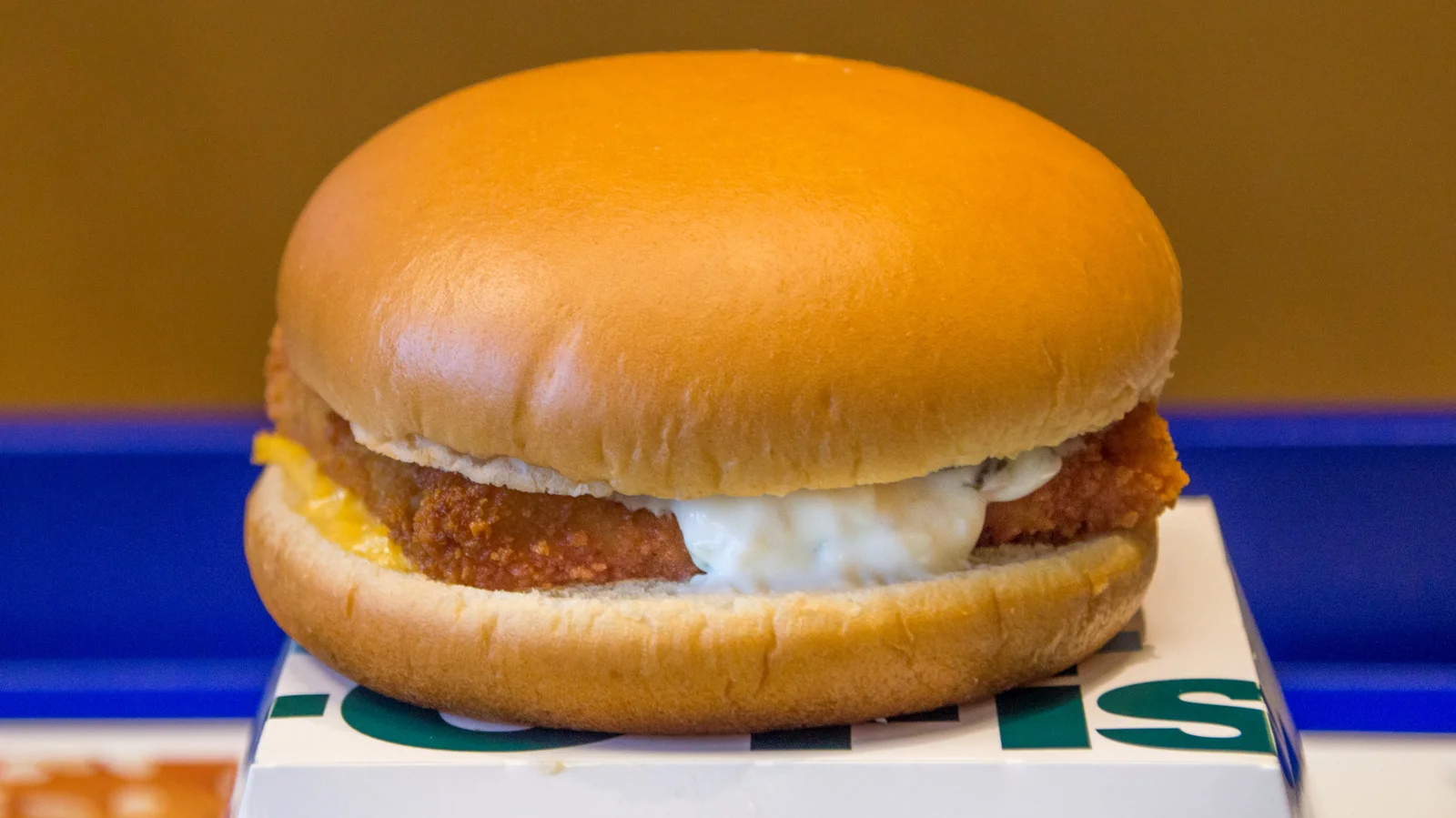
The Filet-O-Fish still has a loyal following, but its familiar mix of fried Alaska pollock, American cheese, tartar sauce, and a steamed bun is facing a value test. Some customers say the sandwich would be better if it were larger; others would keep its size and rather see a lower price. That disagreement matters because it points to two different ideas of what the sandwich is supposed to be: a filling meal, or a small, distinctive item whose appeal depends partly on its proportions.
Size complaints have surfaced repeatedly in recent years, with some customers alleging the sandwich has shrunk while its price stayed put. One Reddit user wrote, “It does seem smaller,” adding that “Ounce for ounce it might be the most expensive thing on the menu.” McDonald’s, however, says the sandwich hasn’t changed size in many years. That leaves a familiar gap between an official account and customers’ impressions, which can be difficult to settle when people are comparing today’s meal with memories formed over years.
Not every fan wants a bigger portion. “I think the daintiness of the sandwich is part of what makes it so tasty,” one customer wrote on Reddit, suggesting the price should come down instead. That preference makes sense for a product whose appeal rests on a particular balance of fish, sauce, cheese, and bun. A larger portion could change that balance, while a lower price would preserve the format fans already like.
Rising prices have changed the value equation
The Filet-O-Fish debuted in the 1960s at 29 cents, equivalent to roughly $3 to $3.10 today after inflation. In 2001, it cost $1.89, or about $3.52 to $3.60 in today’s dollars. Current prices vary by location: $4.59 is on the lower end, while prices above $6 are common. Those figures outpace what inflation alone would suggest based on either historical price. The comparison doesn’t explain every difference between past and present pricing, but it does help explain why a sandwich that once felt inexpensive can now invite closer scrutiny.
That gap can make an unchanged sandwich seem less satisfying. One customer said the Filet-O-Fish had always been small enough that they needed two for a full meal, but that other fast-food fish sandwiches now look larger. When the price was lower—or when older meal deals were available—ordering two may have felt reasonable. At today’s prices, the same choice carries a different sting. The portion itself may be familiar, but the practical question has changed: does it still feel like enough for what you pay?
If you're working in this space, the distinction between portion size and perceived value is easy to miss. Customers don’t judge a menu item in isolation; they compare what it costs with how filling it feels and what else they could order. A sandwich can remain unchanged and still seem less generous as those comparisons shift. This is more significant than it looks: the complaint isn’t necessarily that the recipe has failed, but that its price and portion no longer feel like a comfortable match.
Memory complicates the shrinkage debate
Some recollections behind shrinkage claims are less reliable. A Facebook user described the sandwich as smaller in width and thickness and said it now comes with only half a slice of cheese. But the Filet-O-Fish has always been served with half a slice. If that detail has blurred over time, memories of the sandwich’s former size may have shifted too. That doesn’t prove every size complaint is mistaken; it does show why remembered portions can’t settle the question on their own.
Food memories often combine several things: the product itself, the price paid, the setting, and the expectations attached to a meal. A sandwich someone remembers as more substantial might have been part of a cheaper order, or simply seemed more satisfying at the time. Here’s the thing: nostalgia can make a past version feel clearer than it really was. The half-slice detail is a useful reminder that confidence and accuracy aren’t always the same.
What the debate means for the sandwich
The Filet-O-Fish has changed relatively little since its introduction, but customers now compare its cost with larger alternatives. For McDonald’s, that leaves a familiar menu item with a persistent question of value, even among fans who still like its small, simple format. The company’s position that its size hasn’t changed addresses one part of the dispute; it doesn’t answer whether customers believe the current price fits the portion.
And yet, a larger sandwich wouldn’t automatically resolve the disagreement. Some customers want more food, while others value the smaller format and would rather pay less. Those preferences pull in different directions, so the product’s appeal may depend on whether the price feels fair to people who like it as it is. A compact sandwich with a loyal following. That’s a real asset, but loyalty has limits when customers start doing the math.
What this means for you as a customer is straightforward: the question isn’t only whether the Filet-O-Fish has shrunk. It’s whether its present size still earns its place in your order at the price your location charges. That answer will vary, just as prices do, and the split among fans suggests there’s no single portion change that would satisfy everyone. The unresolved tension is the point: a product can remain recognizable and still face a new test of value.
Discussion
Sign in to join the discussion.