Two scoops of matcha and one of vanilla bean powder make a warm, gently sweet Starbucks latte, with a few ordering tips to keep the drink balanced.
A sweeter matcha without losing the tea
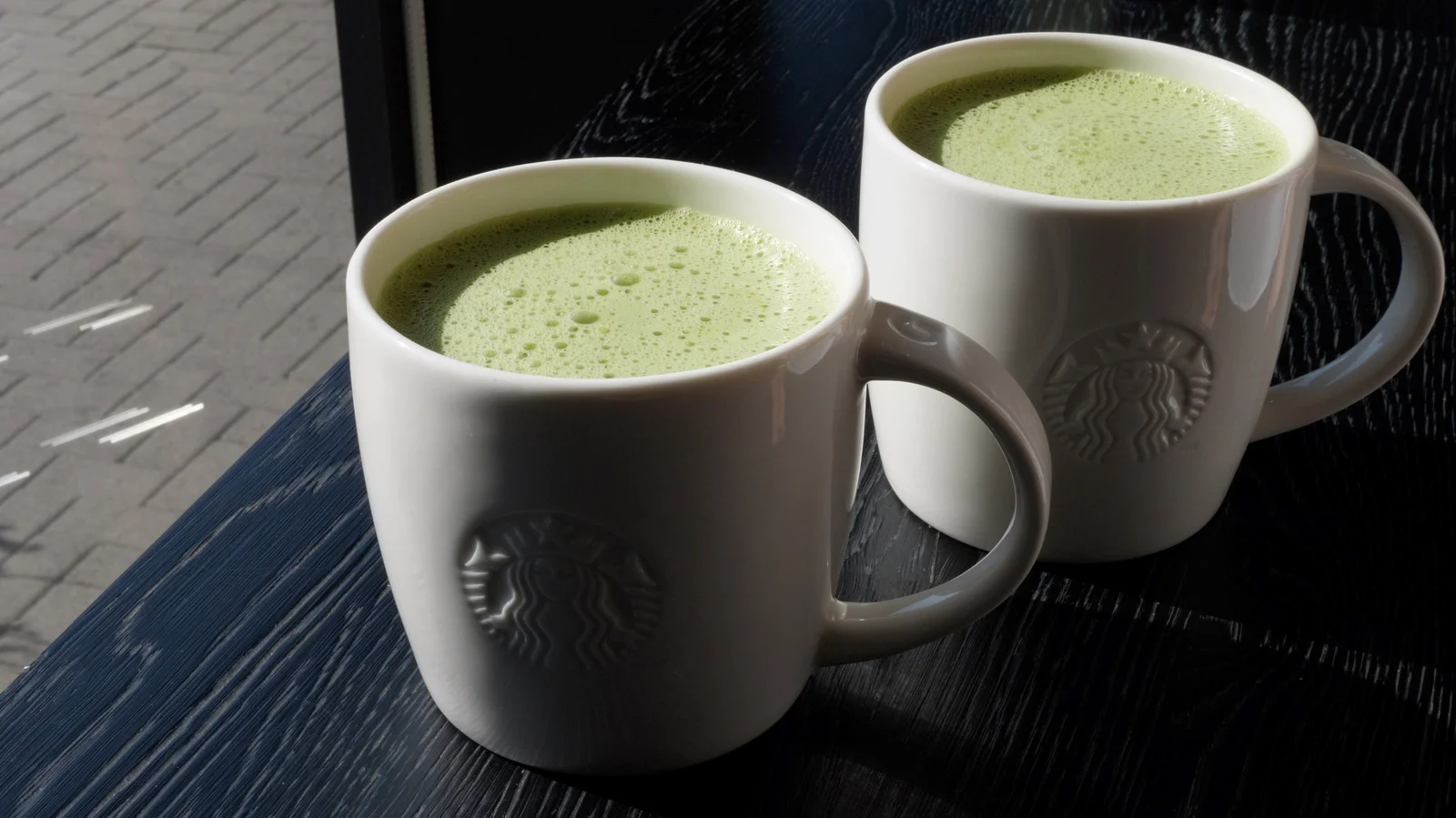
Vanilla bean powder gives a Starbucks matcha latte a softer, sweeter edge while leaving the green tea flavor in focus. For a warm drink, baristas recommend swapping one scoop of the usual three-scoop matcha serving for a scoop of vanilla bean powder. The idea is to change the balance of the drink, not replace its defining flavor: matcha should still come through, with vanilla rounding off some of its sharper, grassy notes.
That distinction matters because sweetening a matcha latte can quickly turn it into a different kind of drink. A measured scoop adds vanilla character alongside sweetness, while adding more powder can push both further into the foreground. If you're ordering for the first time, starting with one scoop gives you a way to judge the combination before asking for a stronger vanilla taste.
The powder combines sugar, natural flavoring, and flecks of dried vanilla bean. That mix gives it a different role from a plain sweetener: it contributes vanilla flavor as well as sugar, and the visible flecks signal the bean ingredient. The result may appeal to customers who want the flavor of vanilla in their latte without relying on vanilla syrup alone.
Some customers turn to it when a store has run out of Vanilla Cold Foam or Vanilla Syrup. On Reddit, customers compare its taste to Vanilla Sugar, which is used in Vanilla Bean Frappuccinos. Others have tried it in steamed milk or matcha lattes and recommend the combination. Those comparisons are useful as informal guidance, though they describe personal impressions rather than a guaranteed match for the taste of another Starbucks ingredient.
Order it hot, and adjust the sweetness
Vanilla bean powder can go into other Starbucks drinks, too, but it blends more evenly in hot beverages. Heat helps the powder disperse through the liquid, which can make the finished drink feel more consistent from sip to sip. In a cold drink, particularly one that hasn't been shaken, the dry ingredients may stay concentrated in one place instead of mixing into the beverage.
One Reddit user described what happened in a cold, unshaken drink: “The few times I've put it in cold (unshaken) drinks, it just clumps together and looks like slime in the bottom of the cup.” That's a specific report about one preparation, but it points to a practical ordering detail: temperature and mixing affect how a powdered ingredient behaves. A cold version may work better if it's shaken thoroughly; if it's simply added to a cold drink, the texture could be less appealing.
The powder can taste quite sweet, so specify the number of scoops you want. The recommended hot matcha order uses one scoop in place of one of the usual three scoops of matcha, so it's a measured adjustment rather than an instruction to add vanilla powder on top of the standard recipe. If you prefer the tea's flavor to stay prominent, keeping the vanilla modest is the sensible starting point.
Making the order your own
If you’d like to tune the flavor further, honey or a sugar substitute like Splenda or Stevia can adjust the sweetness. These additions won't all taste the same, and the powder already contains sugar, so it helps to think about whether you're trying to add sweetness, change its character, or both. A small adjustment is easier to assess than several changes made at once.
Coconut milk adds creaminess, while sugar-free vanilla syrup brings another layer of vanilla flavor. Each option changes a different part of the drink: the milk affects its texture, while syrup makes the vanilla more pronounced. Here's the thing: customization is most useful when you know what you're trying to fix. If the latte tastes too sweet, another vanilla ingredient probably won't solve that; if you want a creamier drink, changing the milk may be the more relevant choice.
You can also make vanilla bean powder at home with sugar and vanilla bean caviar. That offers another route to the ingredient, though the article's suggested Starbucks order is about asking for the powder in a prepared drink. The two approaches aren't identical in practice: at home, you control the mixture, while at a café, the drink is made with the ingredients and preparation available there.
Why the small swap matters
This is more significant than it looks for anyone who finds plain matcha too assertive but doesn't want vanilla to take over. The powder gives customers a simple way to soften the flavor, and the one-scoop suggestion keeps the change easy to describe when ordering. It also makes the drink's sweetness a choice you can adjust rather than a fixed assumption.
(And this is the part most people overlook.) A customization can sound straightforward on a menu and still depend on how the drink is prepared. Hot drinks are more forgiving for this powder because it blends more evenly; cold drinks may need more mixing to avoid clumps. Not a complicated rule, but a useful one.
That said, the best ratio depends on what you want from the cup. Some customers may welcome the sweeter, more rounded flavor; others may find that even one scoop shifts the balance too far from the tea. If you're working in this space as a customer trying to recreate an order, ask for the powder in a hot matcha latte and pay attention to how the first version tastes before layering on extra sweetener or vanilla.
For a quick cold-weather order, the hot matcha with one scoop of powder is a straightforward place to start. It keeps the drink recognizable as matcha while bringing in vanilla, and it avoids the mixing issue reported with cold, unshaken drinks. From there, you can decide whether the sweetness needs adjusting or whether the first scoop has done enough.

Discussion
Sign in to join the discussion.