Knob Creek 12 costs far less than Michter’s 10-Year Single Barrel and brings a bolder, nuttier profile with two extra years of age.
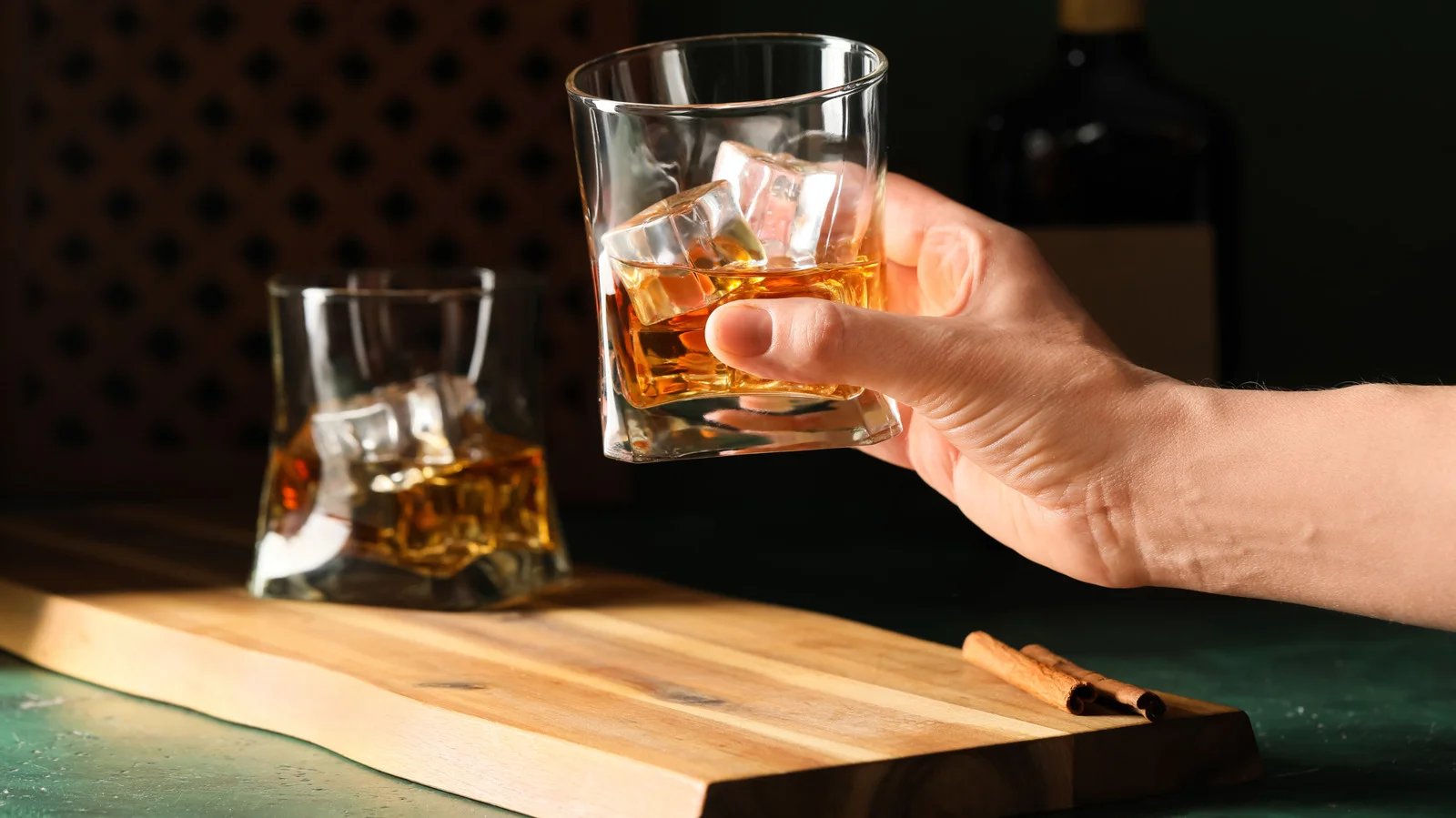
For bourbon drinkers seeking age and depth without paying a scarcity premium, Knob Creek 12 makes a persuasive case. It’s generally easier to find than Michter’s 10-Year Single Barrel, costs considerably less, and spends two extra years in the barrel. Those differences give shoppers a practical starting point, but they don’t make the bottles direct substitutes. Knob Creek leans bolder and nuttier; Michter’s tends toward dark fruit and softer oak.
That distinction matters because age alone doesn’t determine how a bourbon tastes. Barrel selection, proof, and the character of the oak all shape what reaches the glass. Chris Blatner, executive bourbon steward and executive director at Bourbon Charity, says both bottles offer the depth expected of well-aged Kentucky bourbon. Knob Creek 12 is aged in new, charred American oak and bottled at 100 proof. Michter’s 2026 release is bottled at 94.4 proof and drawn from a single barrel, so variation between releases is part of its appeal.
Blatner describes Knob Creek’s profile as “rich, traditional notes of caramel, vanilla, toasted oak, baking spice, and roasted nuts, with a long, warming finish.” He characterizes Michter’s as more focused on dark fruit and softer oak, while Knob Creek brings more pronounced nuttiness. The higher proof gives Knob Creek a fuller, more assertive presentation, though that doesn’t automatically make it the better pour for every drinker. They’re not interchangeable. Knob Creek offers its own take on mature bourbon, with flavors that announce themselves more directly.
A sizable difference in price and availability
Knob Creek 12 generally carries a suggested retail price of about $60 to $80. Michter’s 2026 release has a suggested retail price of $195, and limited supply can push retail prices higher. Resale prices may reach triple the suggested price, adding a collector premium to an already expensive bottle. Those prices frame the choice as more than a tasting comparison: one bottle is relatively accessible, while the other can demand both a larger budget and more effort to find. Knob Creek 12 is commonly found on store shelves and is among the bourbons available at Costco.
That price gap changes the role each bottle can play. Michter’s scarcity and single-barrel character may appeal to collectors and drinkers who enjoy tracking down a particular release. A single barrel can offer a distinctive snapshot, but it also means the next bottle may not taste exactly like the last. Knob Creek, by comparison, is easier to approach as a regular pour, with enough age and character to reward attention without requiring a hunt. The numbers here are underwhelming for anyone hoping that a much higher price guarantees a universally superior drinking experience.
Price isn’t a tasting note, but it affects how people use a bottle. A pour that feels costly can invite comparison, reservation, and saving it for a special occasion. A more accessible bottle may be opened more often, giving drinkers a clearer sense of how its profile works neat or in a cocktail. If you're choosing for a home bar, that everyday usefulness may count as much as the bottle’s age statement.
Best enjoyed slowly
Blatner recommends starting with Knob Creek 12 neat and giving it a few minutes in the glass so its aromas can open up. That pause gives the caramel, vanilla, toasted oak, and baking spice room to register before the alcohol’s warmth takes over. A few drops of water may draw out sweeter notes at 100 proof, though the right amount depends on personal taste. Start small; you can always add more.
Its full-bodied character also makes it a strong option for an Old Fashioned. The whiskey’s spice and oak can hold their place alongside the drink’s other ingredients, while its sweeter notes may complement the cocktail’s familiar profile. Still, using an aged bourbon in a mixed drink is a matter of preference, and drinkers who want to study its character may prefer to taste it neat first. Blatner’s advice is clear: “It’s a bourbon worth taking your time with.”
What the comparison says about value
Knob Creek 12 won’t reproduce Michter’s softer oak or dark-fruit notes. What it offers is a distinct, age-stated bourbon with toasted oak, baking spice, and a long finish at a substantially lower price. That’s a meaningful proposition for drinkers who care more about the experience in the glass than the status attached to a hard-to-find release. This is more significant than it looks: availability can make a bottle part of someone’s regular rotation, while scarcity can turn the same kind of purchase into an occasional pursuit.
And yet, value depends on what the drinker wants. Someone drawn to single-barrel variation, lower proof, and Michter’s fruit-forward profile may still find the more expensive bottle compelling. Knob Creek’s case is simpler: it provides age and a forceful, traditional profile at a price that’s easier to justify for repeated pours. Here’s the thing: paying less doesn’t mean getting the same whiskey for less money. It means choosing a different expression of maturity, one that’s more readily available and built around bolder flavors.
For drinkers choosing a bottle to open and enjoy regularly, that combination may matter more than the prestige of a harder-to-find release. A measured pour, a few minutes in the glass, and a little patience.



Discussion
Sign in to join the discussion.