Barbecue sauce adds smoke, sweetness and tang to grilled cheese. Match the sauce style to the cheese and fillings for a balanced bite.
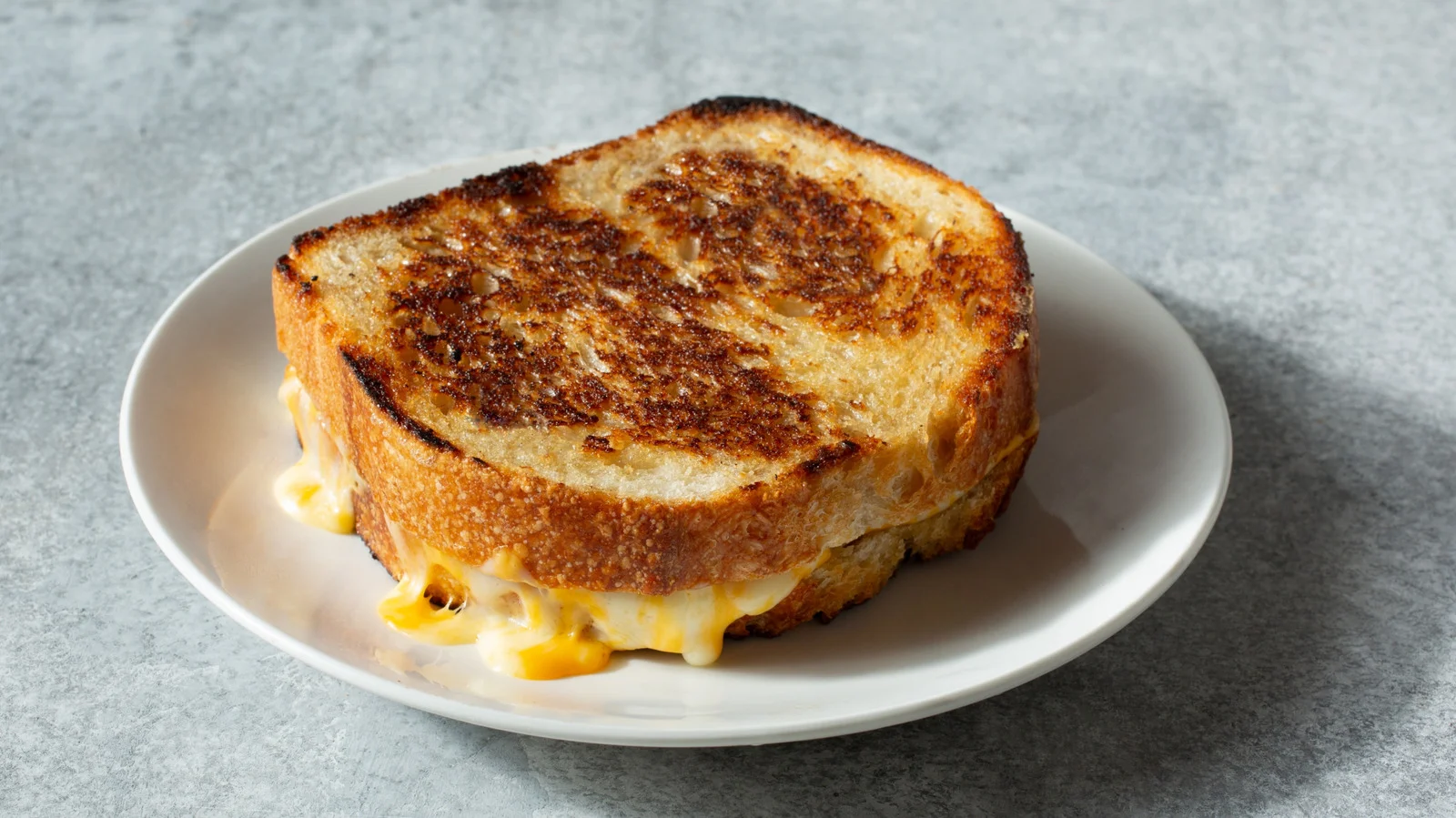
Barbecue sauce gives grilled cheese a smoky, tangy dip that pushes the familiar sandwich in a bolder direction. Its sweetness and acidity cut through buttery bread and rich cheese, adding contrast rather than simply more richness. A crisp crust matters here: it can hold onto a thick sauce long enough for each bite without quickly turning soggy. You can serve the sauce on the side, where diners control each dip, or spread a little inside the sandwich for a more even flavor. The choice changes the balance of the meal, especially if the sauce is sweet or strongly smoky.
For the filling, smoked Gouda, pepper Jack and sharp cheddar all pair well with barbecue flavors, though each brings a different kind of weight. Gouda echoes the sauce’s smoke, pepper Jack adds heat, and sharp cheddar has enough bite to stand up to sweetness. Sourdough and Texas toast make sturdy choices for layering in cheese and sauce; their structure helps the sandwich keep its shape as the cheese melts. Warm the dip before serving so it doesn’t cool the sandwich, and loosen an overly thick sauce with a splash of apple cider vinegar. A small adjustment can make the sauce easier to dip without changing the basic idea.
Match the sauce to the sandwich
Barbecue sauces vary widely, so the best match depends on the cheese and any other fillings. Sweet Kansas City-style sauce works with cheddar and bacon, where its sugar can meet the sharp cheese and savory meat. Thinner, tangier Carolina-style sauce can balance richer cheeses by bringing more acidity to the bite. These are useful starting points, not strict rules: the amount of sauce and the intensity of the cheese can shift the result.
Bold Texas-style and chipotle barbecue sauces bring extra intensity to pepper Jack and sourdough. That combination can work when you want smoke and heat to lead, but it may crowd out more delicate fillings. Creamy Alabama white sauce, with its peppery edge, suits sandwiches filled with chicken or brisket, where its creaminess can soften the stronger savory flavors. The style of sauce can steer the whole sandwich, so it makes sense to choose it alongside the filling. (And this is the part most people overlook: the sauce is doing more than adding flavor; it also affects how rich, sharp or spicy the sandwich feels.)
Balance sweetness, richness and texture
Grilled cheese already brings together crisp bread, melted cheese and butter, so the dip has a clear job: provide contrast or reinforce one of those qualities. A sweet sauce can make a sharp cheese feel rounder, while a tangier one can keep a rich filling from becoming monotonous. Smoky sauce can echo smoked cheese, creating a unified flavor, though too much of that echo may flatten the differences between ingredients. The useful question is whether you want the sauce to complement the sandwich or take the lead.
Texture matters just as much. A thick sauce tends to cling to the crust, while a thinner one can spread more readily across a bite; either can work, depending on whether you serve it inside or alongside the sandwich. If you're adding sauce inside, a light layer is easier to manage than a heavy one, which can make the bread harder to handle. On the side, diners can adjust the amount themselves. That flexibility is one reason dipping works well for a sandwich with such a rich base.
This is more significant than it looks: treating the sauce as a component changes the sandwich from a simple cheese-and-bread combination into a meal with deliberate contrasts. A little restraint helps. Let the cheese remain identifiable, and use sauce to add a distinct note of smoke, tang or sweetness.
Build a cookout-inspired meal
Dill pickles and coleslaw make natural sides for a barbecue-inspired grilled cheese. Their acidity and crunch offer a counterpoint to the soft, rich center of the sandwich, while pickled onions provide a brighter, lighter finish. Baked beans, fries, kettle chips or corn on the cob can turn it into a more substantial meal. The choice depends on how filling you want lunch or dinner to be, and on whether you want another crisp element or a softer side.
The sandwich also leaves room for extras. Caramelized onions can add sweetness, roasted mushrooms bring an earthy note, and avocado makes the filling feel creamier. Each addition changes the balance, so it helps to consider the sauce and cheese before piling on more ingredients. If you're working in this space of quick, adaptable meals, the principle is useful beyond this recipe: choose a dominant flavor, then add ingredients that either support it or provide contrast.
Here's the thing: barbecue sauce doesn't need to transform grilled cheese completely to make it feel different. A measured dip, a suitable cheese and bread sturdy enough to hold the filling can do the work. Pickles on the side. The takeaway is straightforward: treat the sauce as part of the recipe, and match its sweetness, tang or heat to the cheese and fillings.



Discussion
Sign in to join the discussion.