Recent research reveals that higher pressure doesn't guarantee faster espresso; other factors play crucial roles in extraction quality.
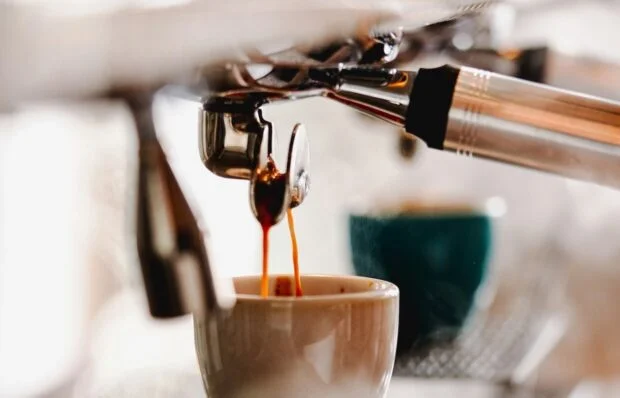
Recent findings indicate that increasing pressure in espresso brewing does not directly lead to faster extraction. A study from researchers in Poland and Germany sheds light on the intricate dynamics of espresso flow, revealing that once brewing pressure rises to cafe-normal levels, the expected flow rates do not correspond to pressure increases.
The research, published on June 23 in Physics of Fluids, examines a phenomenon baristas have experienced but lacked scientific backing. Baristas, who frequently encounter inconsistent espresso shots despite controlling various brewing parameters, sought clarity on why water sometimes channels through the coffee puck unevenly—leading to uneven extractions. This inconsistency is known as channeling, where water travels through paths of least resistance within the coffee grounds, resulting in unbalanced flavor profiles.
Setting the Stage for Research
To address this issue, researchers employed a modified cafe-grade espresso machine equipped with a pressure sensor and a data collection system. Their experiment utilized a single-origin coffee from Brazil, meticulously prepared using 18.50 grams of coffee ground to a consistent particle size. The puck was prepared with a standardized method involving a WDT-style distribution and tamped with 20 kilograms of force. This level of precision in preparation is critical: small variations can drastically alter the extraction process, affecting both flavor and aroma.
The researchers spent significant time looping through various pressures from about 1 to 12 bars, only to discover an unexpected plateau in flow rates as they approached the commonly accepted pressures for brewing espresso. While flow rates increased with pressure at lower values, once they reached normal brewing pressures, this relationship changed dramatically. The researchers modeled this behavior using a concept called poroelasticity, which describes how coffee grounds compress and consequently alter the flow paths under pressure. The impact of poroelasticity on flow dynamics adds a new layer of understanding to what has traditionally been a rather opaque area of coffee brewing.
Insights into Extraction Dynamics
Further investigations evaluated how soluble compounds are extracted from the coffee puck. In one interesting segment of their study, the researchers measured total dissolved solids (TDS) at intervals during extraction. The results showed that the initial 5 seconds captured the highest concentration of dissolved materials, around 25% TDS, which decreased rapidly after the first minute. This indicated critical dissolution dynamics at play, influencing how flow characteristics evolve throughout the extraction process. The initial burst of flavor and aroma is often what defines an espresso shot, but understanding how this changes over time can help baristas refine their techniques for optimal results.
Visualizing the Changes
Utilizing X-ray microtomography, the research team imaged the coffee puck both before and after brewing, observing significant morphological changes. They found evidence of physical alterations such as swelling, cracks, and delaminations, which visually demonstrated how brewing affects the coffee's structure. This direct visualization is imperative for understanding why certain adjustments yield better brews while others fail. (And this is the part most people overlook: the science behind why your coffee tastes the way it does often involves more than just the beans and the machine.)
Moreover, the study noted that stopping and restarting the brew cycle enhanced flow rates without increasing dissolution, suggesting that repeated brews through the same puck could lead to inconsistent flavors in longer extractions. This observation raises alarms for baristas who might consider adjusting their brewing methods without accounting for the broader consequences on flavor. Simply put, increasing flow rate doesn’t equate to better taste.
The Broader Context of Espresso Research
This study contributes to a growing body of research examining the physics of espresso. Previous studies, including those from the Royal Society Open Science, have utilized similar imaging technology to explore permeability in coffee beds, while others have looked into how grind size affects extraction efficiency. The insights gained from these explorations are significant because they provide a nuanced picture of how various parameters—from grind size to brewing pressure—interact to affect extraction quality. The complex interplay of these factors means that a "one-size-fits-all" approach is impractical.
This latest research doesn’t propose a universal brewing recommendation but emphasizes the complexity of espresso preparation. Higher pressure isn’t simply better; numerous factors, such as grind distribution, puck preparation, and coffee specifics, also significantly affect extraction consistency. For home brewers and professionals alike, this complexity calls for meticulous attention to detail across the entire brewing process and a willingness to experiment with different parameters to achieve the desired flavor profile.
Implications and Future Outlook
The implications of this research extend beyond just espresso aficionados; they challenge long-held assumptions in coffee brewing. If higher pressure doesn't guarantee better extraction, what does? This question opens paths for further investigation into other brewing variables that might make more of a difference. For baristas and coffee scientists, focusing on the myriad factors that influence extraction can lead to more systematic approaches in their craft.
Looking ahead, we can expect continued interest in the physics behind brewing. As technology advances, it will enable more refined studies and a deeper understanding of extraction dynamics. This will, in turn, foster a community of informed coffee enthusiasts who can appreciate the science behind their daily brew. In an industry where consistency is paramount, these findings could usher in a new era of espresso-making that favors nuanced techniques over sheer pressure.
The work was partially funded by the University of Warsaw IDUB program.
For further inquiries or discussions about espresso brewing techniques, reach out to the editors of Daily Coffee News. Stay updated with the coffee industry's latest findings by subscribing to our newsletter.



Discussion
Sign in to join the discussion.