Discover how to enhance your mac and cheese by adding beans for extra protein and creaminess without sacrificing flavor.
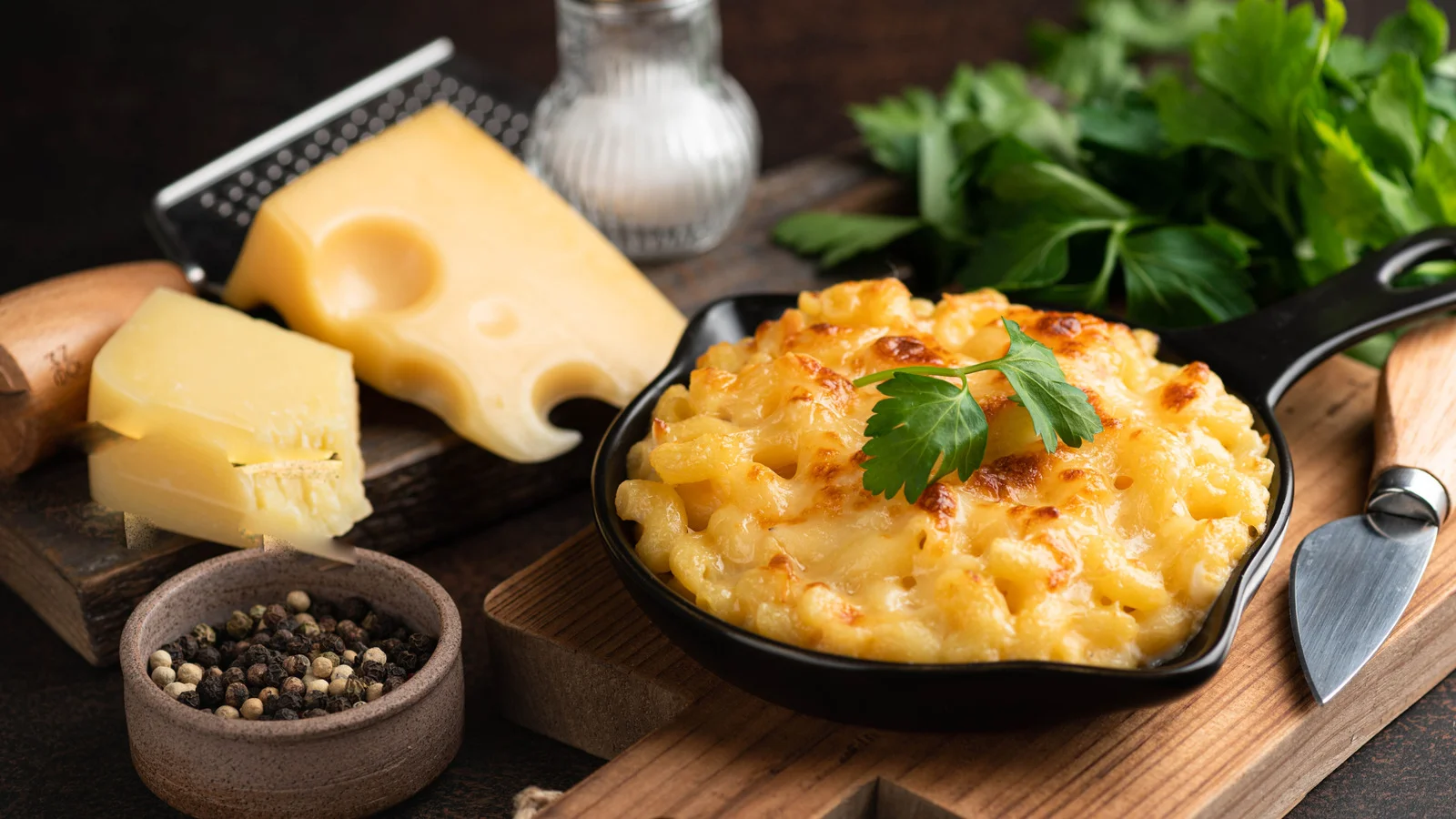
Macaroni and cheese remains a perennial favorite among comfort foods, yet it often disappoints in the protein department—especially when served as a stand-alone meal. As dietary needs become a focal point for many, the necessity of boosting traditional recipes with nutritious elements has gained traction. To address this concern, registered dietitian Angel Luk presents a straightforward enhancement that might come as a surprise to many: white beans.
Why White Beans Are Worth Considering
Often, mac and cheese recipes rely on protein sources like bacon or hot dogs, which bring added flavor but also a heavy dose of saturated fat. In contrast, white beans offer a nutrient-rich option that aligns more closely with health-conscious choices. According to Luk, "canned, drained, and rinsed white beans are virtually saturated-fat free and packed with fiber." This not only makes them a wise choice for overall health but also a cost-effective one, allowing families to prepare nutritious meals without breaking the bank. Their neutral flavor and creamy texture blend seamlessly into a cheese sauce, elevating your comfort food without compromising on taste.
Integrating Beans into the Sauce
The best method to incorporate these beans is by blending them into the cheese sauce. That's right, beans don’t have to be a visible component to make a meaningful impact. Luk recommends mixing the beans with a bit of water in a high-powered blender or food processor before incorporating them into the cheese. This technique obscures the beans, making them nearly invisible to the eye while enhancing the creaminess of the sauce. There’s something deceptively clever about this—adding about 29 grams of protein from a single can of white beans dramatically shifts the nutritional profile. And let’s not forget flavor; seasoning the blended mix with cracked pepper, salt, or even a sprinkle of nutritional yeast not only boosts the taste but also adds a bit more protein to the mix.
Alternative Methods for Bean Inclusion
If blending isn’t your style, there’s an equally straightforward alternative: tossing whole beans into your finished mac and cheese. This tactic resonates with traditional Italian recipes such as pasta e fagioli and minestrone soup, where beans harmonize naturally with pasta. Cannellini beans, in particular, are known for their mild flavor, serving as an ideal way to add heartiness without overpowering the classic cheddar taste.
In fact, consider this: every addition to a dish can either enhance or detract from its overall appeal. For a more vibrant dish, mix in baby spinach or blanched broccoli alongside the beans. This not only enriches the dish’s nutritional value but also introduces a visual pop of color, making it much more inviting. And here's a twist that might surprise you: using baked beans, which, while generally sweeter, can actually complement the savory notes of cheese, especially if they’re enriched with bacon or pork for added protein. Lentils offer another excellent option—particularly red or yellow varieties—which cook down to a soft consistency that melds right into the cheese sauce without the need for a blender.
Transforming Tradition into Balance
Experimenting with these additions can truly transform a simple bowl of mac and cheese into a balanced meal. It’s a case of playing with flavors and textures to ensure you won’t sacrifice taste for nutrition. The crowning achievement is that by integrating beans, you’re doing more than just adding protein; you’re enriching the entire dish, providing a thoughtful response to the growing demand for nutritious, satisfying meals.
Implications and Future Outlook
As the conversation around health and diet continues to evolve, dishes like mac and cheese—often viewed as indulgent—are ripe for reinterpretation. The integration of white beans, along with vegetables and alternative proteins, underscores a significant shift in how we approach traditional meals. If you're working in this space, you’ll realize that the stakes for improvement are not simply about enhancing nutrition, but also about showcasing versatility in cooking.
As families seek quicker, healthier meal options that still allow for indulgence, the need for adaptive recipes will only increase. This isn’t just about substituting ingredients; it’s an invitation to reimagine how classic comfort foods can fit into modern dietary preferences without losing their soul. And perhaps most importantly, engaging with these changes can make healthy eating feel less like a chore and more like an opportunity for creativity in the kitchen—in short, a win-win for everyone.


Discussion
Sign in to join the discussion.