Collectors may pay thousands for the Turquoise Golden Birds Pyrex casserole dish. Here’s what you need to know to identify and value it.
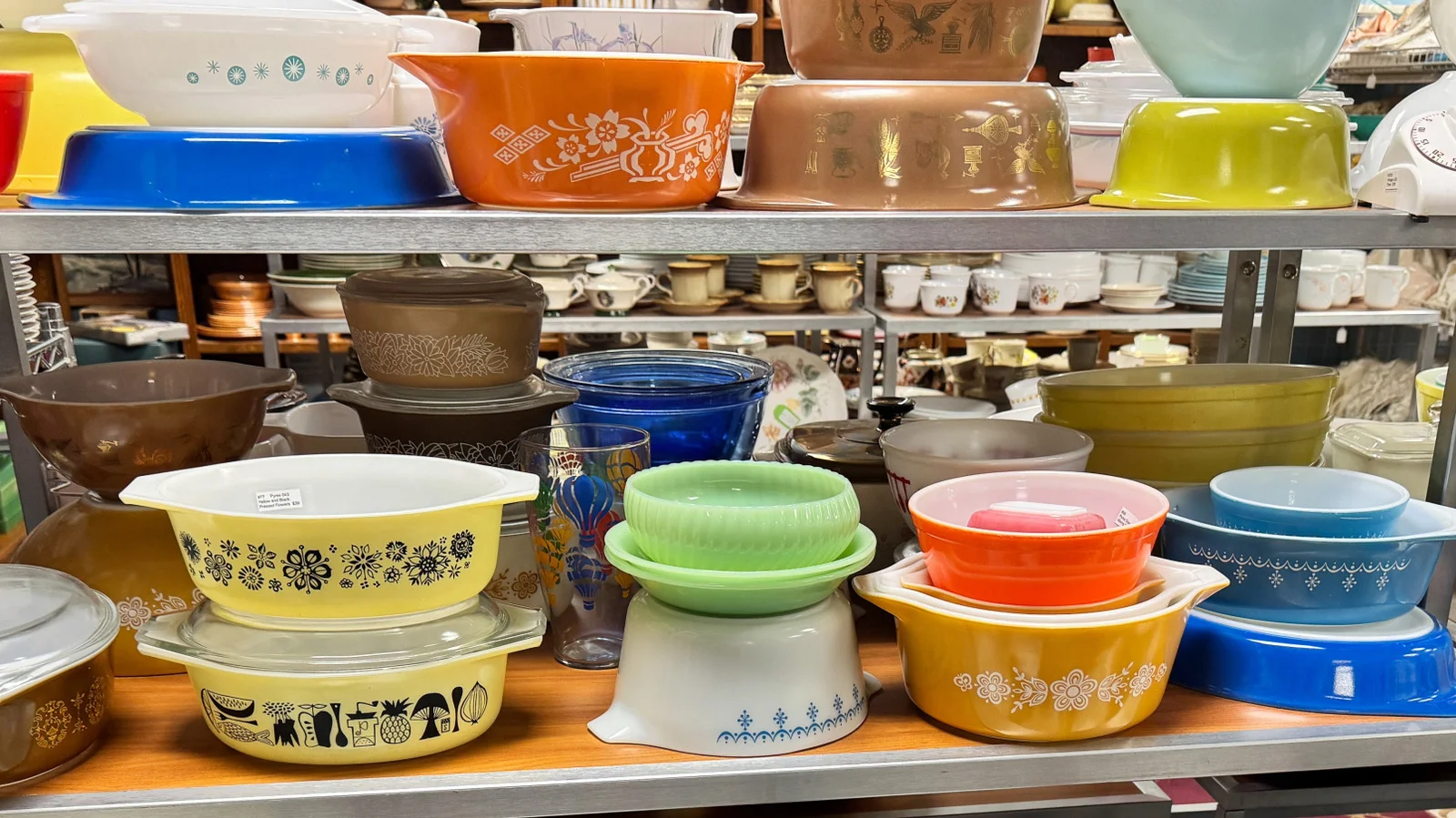
Finding vintage Pyrex at thrift stores can often feel like a treasure hunt, but certain pieces are well worth your attention. Among these is the sought-after Turquoise Golden Birds Space-Saver Casserole dish. This unique item from the 1960s features an appealing pale turquoise exterior adorned with gold bird and foliage motifs, and can command prices upwards of $6,000 to $7,500 based on recent listings. For collectors and enthusiasts, discovering such a piece can evoke the thrill of striking gold in the most unlikely places.
This casserole is part of a limited run, known as the 575-B, which is a rectangular 2-quart Space-Saver design. Its scarcity and distinctive pattern contribute to its desirability among collectors, distinguishing it from other Pyrex products from the same era. While Pyrex is renowned for its functional kitchenware, certain designs have transcended mere utility to become collectible items that appeal to a wide audience, from vintage lovers to interior decorators. Having a piece like this in your collection is not just about utility; it’s also about storytelling and nostalgia.
Understanding the Value of the Golden Birds Casserole
The backstory of the Golden Birds pattern is somewhat elusive, yet it is believed that its production was limited to Corning Glass Works employees in the 1960s, making it notably rare. This exclusivity is critical in explaining its high resale value today; many of these dishes rarely make it to secondary markets. The limited availability amplifies its allure, transforming what could be seen as a simple casserole dish into a coveted artifact of kitchenware history.
In terms of valuation, condition is key. Factors like the wear on decorative gold elements and the condition of the glass lid can significantly affect the dish’s worth. A piece with little to no wear can command far higher prices. For example, a complete casserole with its original matching lid is viewed as considerably more valuable. Community discussions, especially among Pyrex enthusiasts on platforms like Reddit, highlight just how much the lid alone can fetch when found separately. A conversation recently surfaced about a listing where just the lid was offered for several hundred dollars, drawing attention to the nuances of the collectible market. The care and condition of these pieces are often paramount in determining their resale value.
Recent eBay listings illustrate this trend, with one casserole selling for $6,600 and another on Etsy listed at $7,500—indicating the high-stakes market for these coveted dishes. It’s fascinating to see how prices can fluctuate based on the specific characteristics of each piece. While a lucky find is possible, these items are more common in areas with historical ties to Pyrex manufacturing, notably New York and Pennsylvania. Historical regional connections to brands can often elevate the perceived value of items, creating a robust market around localized vintage goods.
The Historical Context of Pyrex Innovation
Originally part of Pyrex's expansion into new shapes and designs in 1957, the Space-Saver casseroles were developed with stacking capability in mind, using specially designed lids that enhanced storage efficiency. The idea was to create functional pieces that would adapt to modern kitchen needs, allowing consumers to maximize their limited space. This forward-thinking approach to design not only met practical needs but also appealed to a burgeoning consumer base that increasingly valued both style and function in their kitchenware. The aesthetic appeal of the Golden Birds pattern reflects the design sensibilities of its time, bridging the gap between art and utility in a domestic setting.
Collectors seeking to add a piece like the Golden Birds casserole to their collection should be prepared to act quickly, often needing to differentiate genuine items from replicas or well-worn pieces that have lost their value. In an age where reproductions can flood the market, recognizing authentic designs involves a keen eye and familiarity with Pyrex's signature elements. What’s more, online resources and collector communities provide a wealth of information that can guide new collectors in their pursuits. However, navigating this space requires diligence and a bit of expertise, which can be daunting for those just starting out.
Maintaining and Caring for Vintage Pyrex
If you do stumble upon a piece of vintage Pyrex, understanding its potential worth and learning how to maintain it can enrich your collecting experience. Consider researching care techniques to refresh vintage Pyrex as well as confirming whether specific pieces are microwave safe. Cleaning methods and storage tips can dramatically extend the life of these items, preserving both their functionality and aesthetic appeal. Some collectors have even shared tips online about how to restore the vibrancy of faded patterns, though you need to tread carefully to avoid devaluing the dish in the process.
Implications for Collectors and Enthusiasts
The fervor for vintage Pyrex, especially sought-after items like the Golden Birds casserole, has implications that reach beyond mere accumulation of goods. It reflects a broader cultural movement that appreciates nostalgia, craftsmanship, and sustainability in the consumption of household items. If you’re working in this space, understanding trends in consumer behavior and how they relate to vintage markets can give you valuable insight. This trend shows no signs of waning—in fact, as more consumers become aware of the importance of sustainability, vintage and secondhand items are likely to become more desirable.
What this means for you as a potential collector is that not only are you investing in unique items but also engaging in a larger conversation about consumer practices and the value of craftsmanship. The thrill of the hunt at thrift stores isn't just about finding a unique dish; it embodies the search for lost histories and personal connections to the past.



Discussion
Sign in to join the discussion.