Explore the fascinating history of Duncan Hines, from its beginnings to its evolution under Conagra Brands, and recent changes affecting the cake mix market.
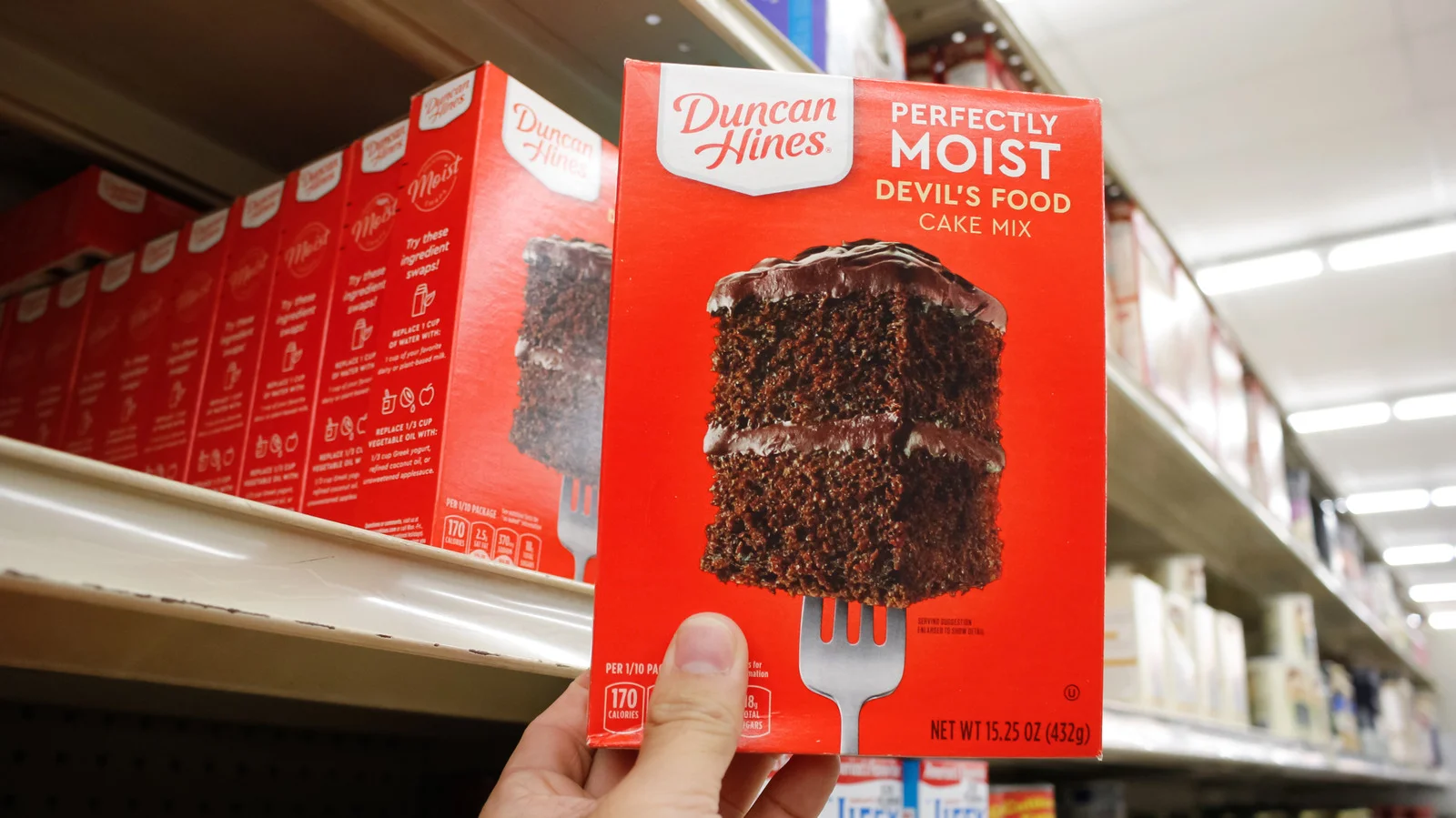
Duncan Hines, the eponymous brand known for its cake mixes, traces its roots back to a man whose true talent lay in restaurant recommendations rather than baking. Hines, a traveling salesman, published "Adventures in Good Eating" from 1936 to 1954—a work that served as America’s answer to Europe’s Michelin guide. His knack for identifying quality dining options lent considerable weight to any product bearing his name, including cake mixes, which began to hit the shelves in the early 1950s. For consumers, the association with a trusted name gave them a sense of security in their baking ventures, even if they weren't professional bakers themselves.
The Formation of Hines-Park Foods
In 1952, Hines partnered with Roy H. Park to form Hines-Park Foods, licensing his prestigious name to Nebraska Consolidated Mills, the company responsible for producing the mixes. This partnership capitalized on Hines' established reputation and opened doors to a broader market. While Duncan Hines was not the first commercial cake mix, it distinguished itself by advocating for the use of fresh eggs instead of powdered versions in its baking instructions. This emphasis on quality ingredients struck a chord with consumers looking for a reliable product that also felt homemade.
Brand Transition and Mergers
The trajectory of Duncan Hines changed significantly in 1956 when Hines-Park Foods merged with Procter & Gamble. This collaboration proved fruitful, with the brand becoming synonymous with quality baking products over the next four decades. The merger substantially boosted the marketing power of Duncan Hines, allowing it to become a household name. However, in 1998, the cake mix line transitioned to Aurora Foods, which later merged with Pinnacle Foods in 2004. Fast forward to 2018, and Pinnacle was acquired by Conagra Brands, placing Duncan Hines under its large umbrella of well-known food products.
Conagra Brands and Product Evolution
Conagra Brands, which began as Nebraska Consolidated Mills in 1919, rebranded in 1971 and again as Conagra Brands in 2016. This company oversees a diverse portfolio of brands, including Orville Redenbacher's and PAM. With this latest acquisition, Conagra has been proactive in reformulating its products over the years, reflecting shifts in consumer preferences and dietary concerns. This willingness to adapt has been critical in maintaining the brand's status in a highly competitive market.
One of the most discussed changes has been the reduction in the volume of cake mix within the boxes—a phenomenon often referred to as shrinkflation. This practice, while not isolated to Duncan Hines, has sparked considerable frustration among home bakers. Many have taken to social media platforms, such as Reddit, to voice their displeasure, pointing out that despite unchanged box instructions, the actual quantity of mix has decreased. Affected bakers have reported inconsistencies in cake density, leading to cakes that didn’t rise as expected due to the diminished amount of batter. (And this is the part most people overlook: when companies reduce quantity, they often remain silent on the actual impact, leaving consumers feeling misled.)
In a bid to address consumer health concerns, Conagra Brands has announced plans to eliminate artificial colors from all its products by the end of 2027. While some cake mixes still contain synthetic dyes as of October 2026, others—including the popular Classic Yellow Cake mix—have successfully replaced these with more natural alternatives. This strategy aims to cater to the health-conscious consumer increasingly wary of artificial additives. The fact that yellow cake options have performed well in taste tests suggests that Conagra is hitting the right notes, but whether this shift will win over a skeptical audience remains unclear.
Balancing Tradition and Modernity
As the Duncan Hines brand evolves under Conagra's stewardship, the ability to balance consumer expectations with changes in product formulation will likely shape its future in the baking aisle. If you're working in this space, you know how tricky it can be to retain loyal customers while enticing new ones. Nostalgic home bakers may resist certain changes, longing for the products they grew up with. This adds a layer of complexity—does Duncan Hines risk alienating its core demographic in pursuit of a broader audience?
The Future of Duncan Hines
The implications here are significant. The brand must navigate the tricky waters of innovation while honoring its long-established legacy. It's not just about changing recipes or packaging; it's about connecting with a generation of bakers who value both tradition and health. The push for more natural ingredients aligns with broader trends in food consumption where transparency and health matter to consumers. However, any missteps along the way—like further shrinkflation or failing to meet taste expectations—could be detrimental.
In a marketplace where brand loyalty is waning and competition is fierce, maintaining relevance isn't just a necessity; it's a challenge. Duncan Hines may very well continue to influence the baking market for years to come, but how it adapts to modern needs and concerns will be crucial. The legacy of Duncan Hines isn't just about cake mixes; it's about understanding the evolving desires of bakers who want quality alongside convenience. If the brand can strike that balance, it stands to remain a mainstay in kitchens across America.



Discussion
Sign in to join the discussion.