Discover the enticing method of deep-frying cheeseburgers for a uniquely crispy texture and juicy interior that transforms your burger experience.
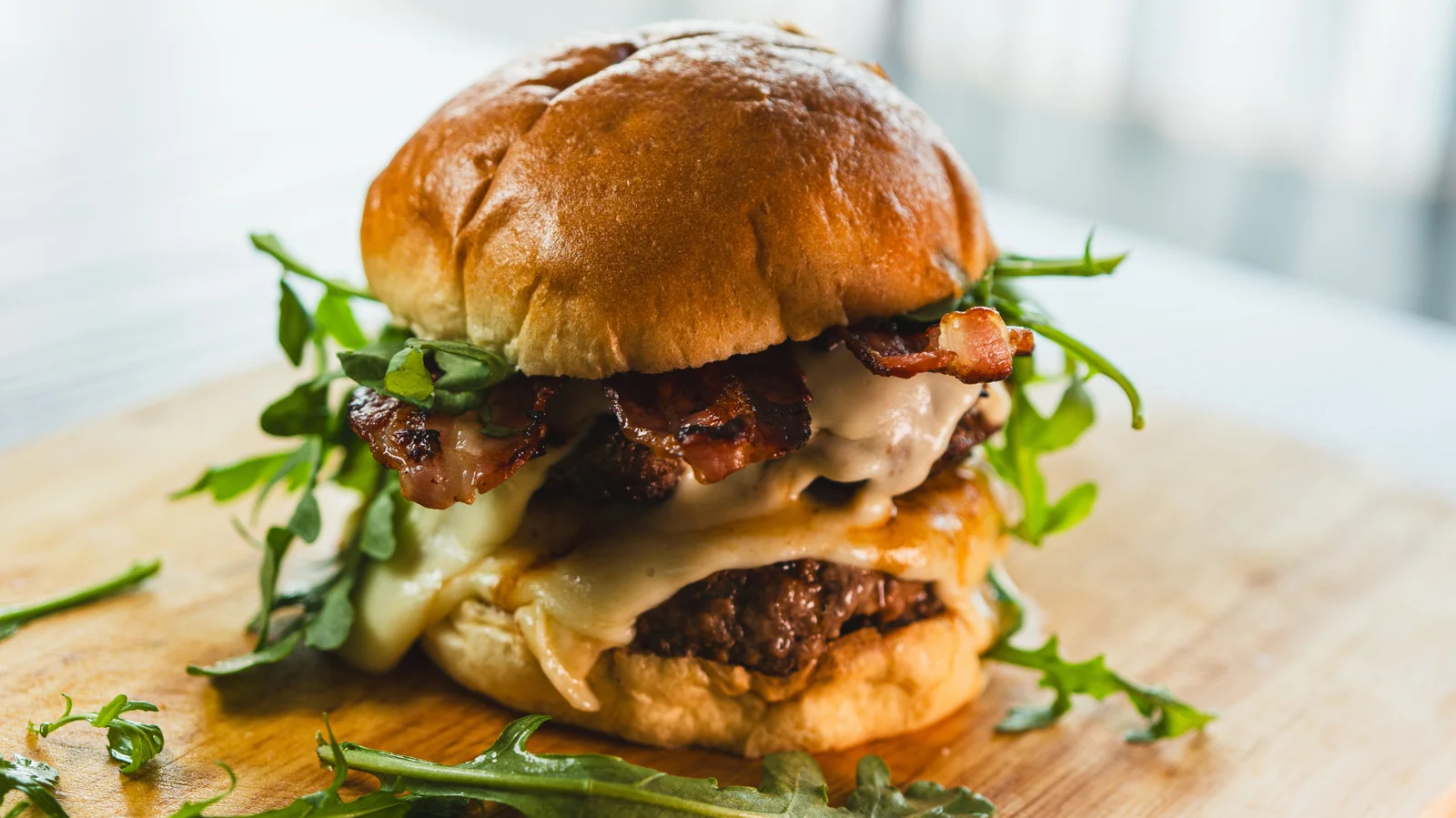
Cheeseburger enthusiasts often swear by their favorite cooking techniques. While grilling imparts a distinctive smoky flavor and smashburgers get a delightful caramelization, deep-frying offers a surprising alternative that elevates the classic burger. This method, often overlooked, can yield an incredibly juicy and flavorful result.
Exploring the Deep-Frying Technique
Deep frying, an older cooking technique that predates modern griddles, brings a unique twist to cooking a cheeseburger. It's an approach that many may not consider when they think of traditional burger preparation. Typically, when you picture a burger, thoughts immediately go to grilling or pan-searing. But there's something to be said for the deep-fried version, which offers a distinctive texture and flavor profile that can be hard to replicate using other methods. The process itself can be achieved using just a few inches of oil in a deep skillet, making it accessible for home cooks without specialized equipment.
To start, you’ll want to form the burger patty much like you usually would. Flattening it slightly, similar to the way a smashburger is prepared, helps with even cooking. The essence of deep-frying lies in immersing the patty in heated oil, typically at around 325°F (163°C). This temperature is high enough to create a crispy exterior while ensuring the interior remains juicy. After just three to four minutes, you’ll have a burger that’s beautifully browned on the outside. The full immersion in oil is key here, as it allows for even heat distribution both inside and out.
Adding the Cheese: A Melting Science
Now, here's the part most people overlook: the cheese. To transform your creation into a cheeseburger, you’ll want to add cheese while the patty is still cooking. The timing is important. After lifting the burger out of the oil, placing a slice of cheese on top, and returning it briefly to the sizzling oil can melt the cheese perfectly. For those in a hurry, spooning hot oil directly over the cheese can achieve a quicker melt without needing to put the burger back in the fryer. This technique is famously seen at Dyer's Burgers in Memphis, well-known for its deep-fried cheeseburgers, where customers rave about the unique combination of a crunchy crust, juicy meat, and gooey cheese flavor. Their approach illustrates how culinary traditions can evolve, offering a glimpse into regional variations of a classic dish.
Perfecting the Deep-Fried Cheeseburger
Getting the deep-fried cheeseburger just right does depend heavily on the thickness of the patty. Thinner patties generally yield better results since they cook evenly, allowing the crust to develop without the inside becoming overcooked. Thick patties may end up more like meatballs, complicating the cooking process and leading to an uneven final product. So, if you're experimenting with this cooking method, it might be wise to start with a standard thickness that ensures thorough cooking throughout.
While some recipes might suggest complex variations, such as cheese-stuffed or bacon-wrapped deep-fried burgers, these additions can complicate the process unnecessarily. For the average cook looking to try their hand at this cooking style, sticking to a straightforward approach with a well-prepared patty is recommended. Focusing on temperature control can make the difference between a succulent burger and an overdone mess. Many experienced fryers might advocate for beef tallow due to its rich flavor, but it’s also possible to achieve tasty results with conventional vegetable oil. This flexibility allows for personalization based on your taste preferences and what you have on hand.
Temperature Control: The Key to Success
Irrespective of the oil you opt for, reaching and maintaining proper frying temperature is crucial. A thermometer is an essential tool here. It ensures that the oil is hot enough to cook the burger effectively without absorbing excess oil, which can lead to a greasy end product. Quick handling of the burgers post-cooking is also vital; they dry out easily if left to sit for too long after frying. This means timing is everything: enjoy your deep-fried cheeseburger immediately for the best taste and texture. Waiting too long not only affects the burger but also diminishes the overall experience.
Implications and Future Outlook
Understanding deep-frying as a cooking method can open new doors for culinary creativity, especially for burger enthusiasts looking for something different. It’s an approach that could redefine how we think about the classic cheeseburger, merging tradition with new techniques. This might also resonate with a growing trend of experimenting with nostalgic comfort foods like burgers. If you're working in this space, recognizing the potential popularity of such adaptations could inspire menus or casual cooking endeavors beyond traditional grilling methods.
And let's face it: the allure of deep-fried food often draws attention. It taps into the human affinity for that satisfying crunch paired with rich flavors. As home cooking continues to gain traction, exploring dishes like deep-fried cheeseburgers could very well become a favorite among adventurous home cooks and foodies alike. The future holds exciting possibilities for how we indulge in classic favorites.
Discussion
Sign in to join the discussion.