Creamed onions, once a favorite side dish, are making a resurgence in holiday meals for their rich flavor and versatility in contemporary cooking.
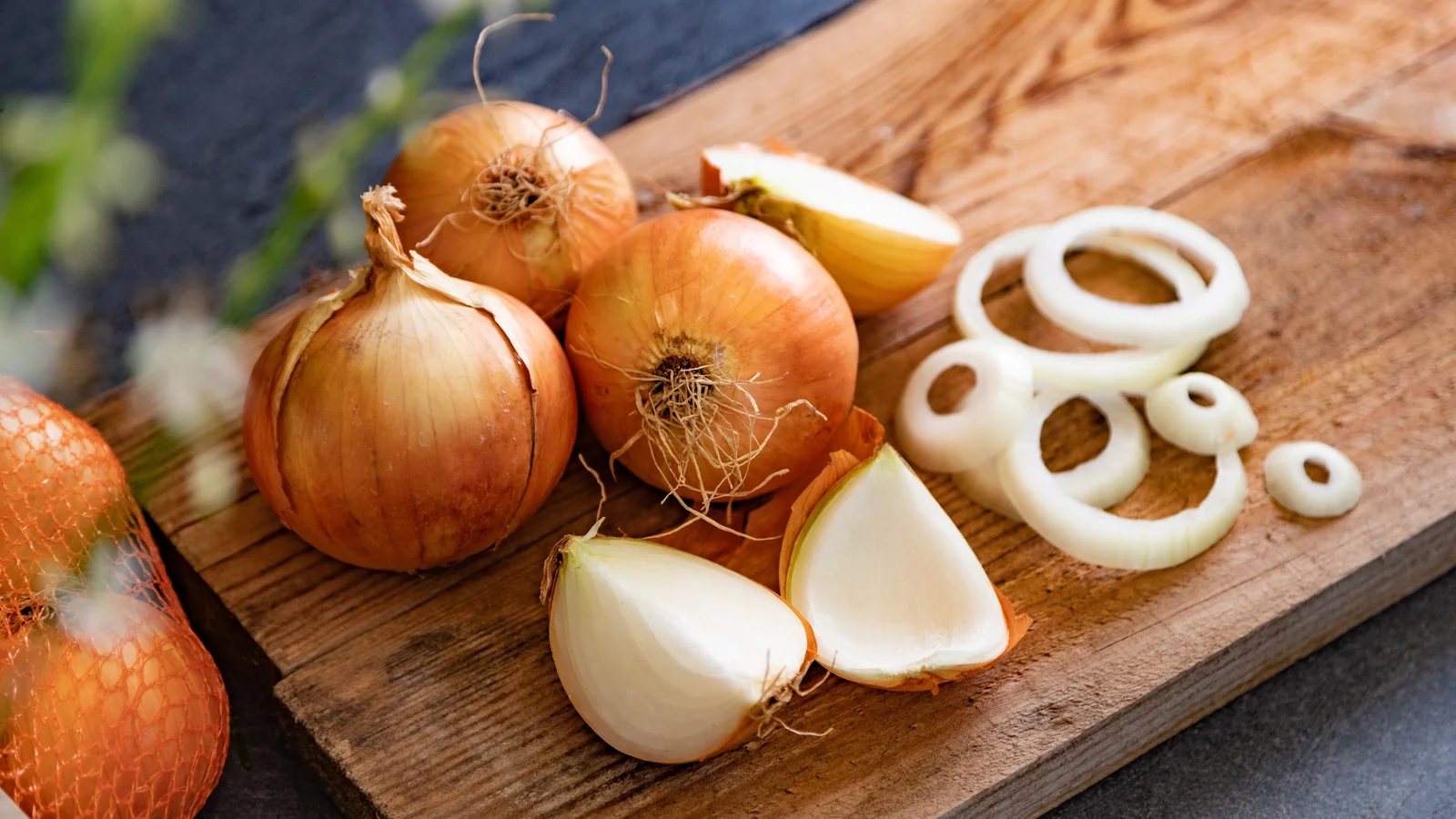
The culinary landscape has seen creamed onions fade from popular dinner tables, overshadowed by staples like mashed potatoes and green beans. However, this dish has roots that extend back to 1769 when recipes first appeared, calling for large onions simmered in butter and cream, commonly served with poultry. Over time, variations emerged, with some incorporating a Béchamel-inspired sauce by adding flour and milk, elevating its complexity. Even culinary icon Anthony Bourdain showcased a recipe featuring whole black peppercorns and dried bay leaves.
When seasoned with herbs such as thyme or sage and a hint of nutmeg, creamed onions transform into a subtly sweet side dish, softening and enhancing the onions remarkably. Yet, the labor-intensive task of peeling pearl onions has deterred many home cooks, while its less-than-inviting appearance hasn't helped its case. This combination has understandably relegated creamed onions to obscurity, nudged aside by more vibrant vegetable options like carrots and Brussels sprouts. One social media user humorously expressed, “Did the Grinch create this recipe? Who would think a side of onions outside of rings is delicious?”
The Resilient Charm of Creamed Onions
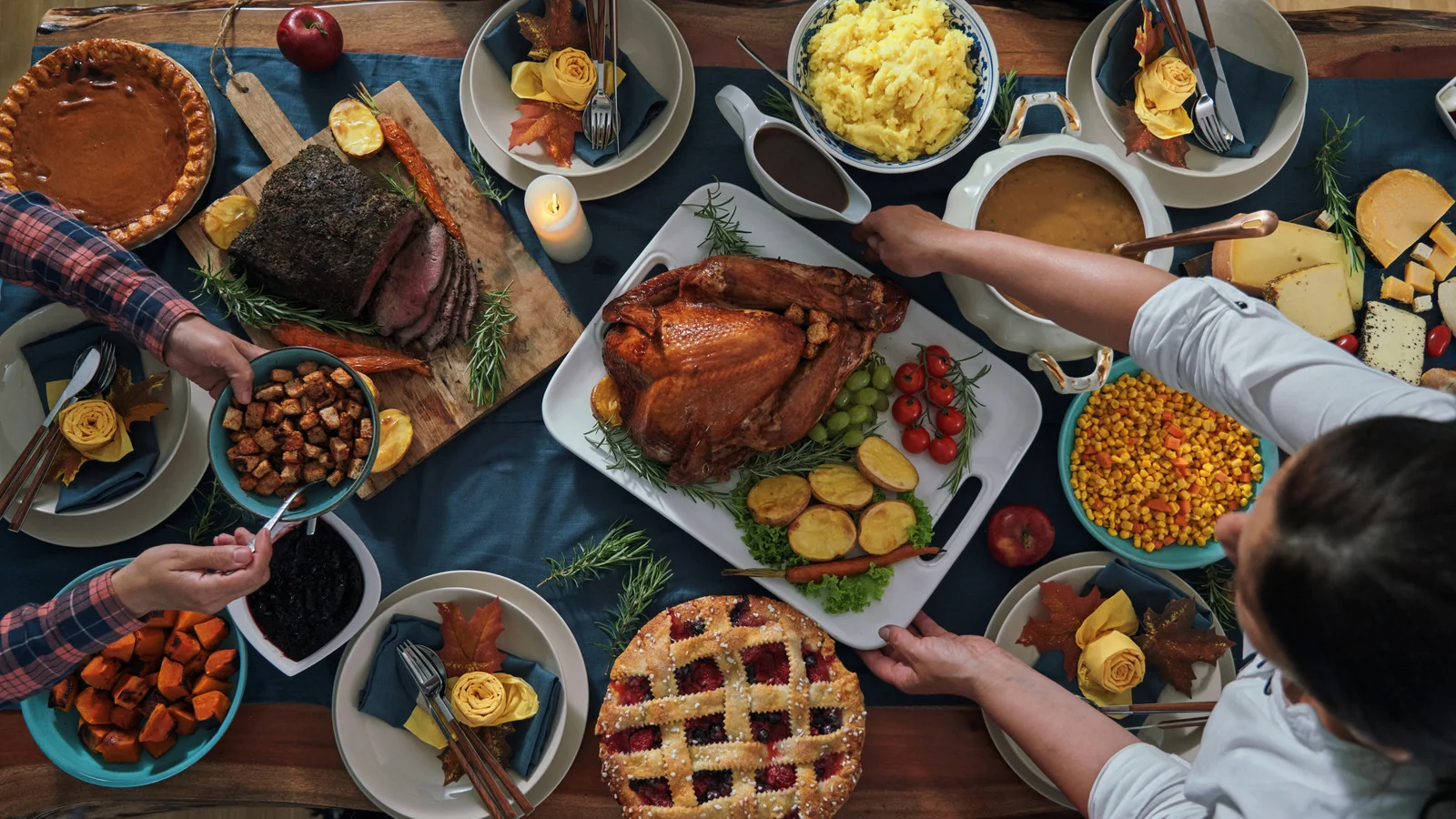
Despite the critiques, many recognize creamed onions as a nostalgic comfort food, valued for its rich, creamy profile. This dish remains a staple in some kitchens during the holiday season, where it pairs beautifully with various proteins like turkey and ham, enhancing traditional vegetable offerings. Culinary enthusiasts often complement creamed onions with paprika, adding a pop of color and flavor that can entice diners. Is it a dish for everyone? Probably not. But it has its fans, who appreciate it for what it represents—a throwback to the meals shared around family tables.
Modern twists on the classic recipe have emerged, favoring thick slices of sweet onions over pearl onions. Some cooks suggest adding cheeses like gorgonzola or Parmesan, introducing an appealing dimension with a slight tang. Others may toast breadcrumbs on top or even incorporate tomato paste, rendering a version reminiscent of a gratin. This evolution isn’t unique to creamed onions; many dishes are receiving makeovers as chefs and home cooks alike look for ways to breathe new life into traditional fare. Although it may never eclipse the vibrant colors of other side dishes, creamed onions are on the verge of a comeback, poised to reclaim their place in culinary traditions.
The History Behind a Forgotten Dish
The birth of creamed onions dates back to the 18th century, a time when French cuisine was profoundly influencing culinary practices around the world. The elegance of French sauces, especially creamy ones, found their way into American kitchens, where they were adapted to local tastes and available ingredients. The original recipes hinted at an era that valued the richness of cream paired with the sweetness of onions, capturing a luxurious dining experience meant to impress guests.
As cooking evolved, so did taste preferences. The rise of minimalist eating trends and the push towards vibrant, color-rich vegetables crowded out dishes that didn’t present visual appeal. Creamed onions, with their muted, pale appearance, fell out of favor at the dinner table. It’s more than just looks, though; the time it takes to prepare the dish, particularly when it comes to peeling the tiny, fiddly pearl onions, is a deterrent for busy families or those new to cooking. And yet, amid these challenges, creamed onions have been quietly enduring, a testament to their deep-rooted cultural significance.
Modern Revival and Creative Interpretations
If you're working in this space, you might find it curious how culinary nostalgia has a tendency to resurface with younger generations. Instagram and TikTok are helping to resurrect many forgotten recipes, inviting people to share their interpretations and experiences with older dishes. Chefs are creating buzz around comfort food, offering unique spins that appeal to millennials and Gen Z. Creamed onions could very well fit into this trend as they find their way into restaurant menus or viral recipe videos.
(And this is the part most people overlook) The emotional connection to food often drives its revival among home cooks looking to connect with family or share traditional recipes. The time-consuming nature of dish preparation might actually serve to instill a sense of pride and accomplishment for those determined to make it from scratch. Creamed onions, with their rich history linked to family gatherings and holiday meals, hold a promising place in this movement.
Implications for Culinary Culture
The conversation surrounding creamed onions brings forward broader themes about the food we choose to celebrate or push aside. As culinary trends ebb and flow, dishes can be revived or tragically forgotten. The future of creamed onions hinges on how effectively enthusiasts champion its backstory, flavors, and the techniques needed to master it. If current culinary trends continue to favor nostalgic, home-cooked meals over instant gratification, there could be a genuine revival in the popularity of creamed onions.
In the end, food is about more than just sustenance; it's about connection and memories. Even if creamed onions aren’t winning beauty contests at the dinner table, their place in history and potential for resurgence should not be underestimated. Who knows? In ten years, you might just see them gracing more tables, not just during the holidays, but any time people are looking for a taste of nostalgia.


Discussion
Sign in to join the discussion.