Frozen hamburger patties vary in composition, primarily defined by fat content; label details reveal the actual cuts and quality standards used.
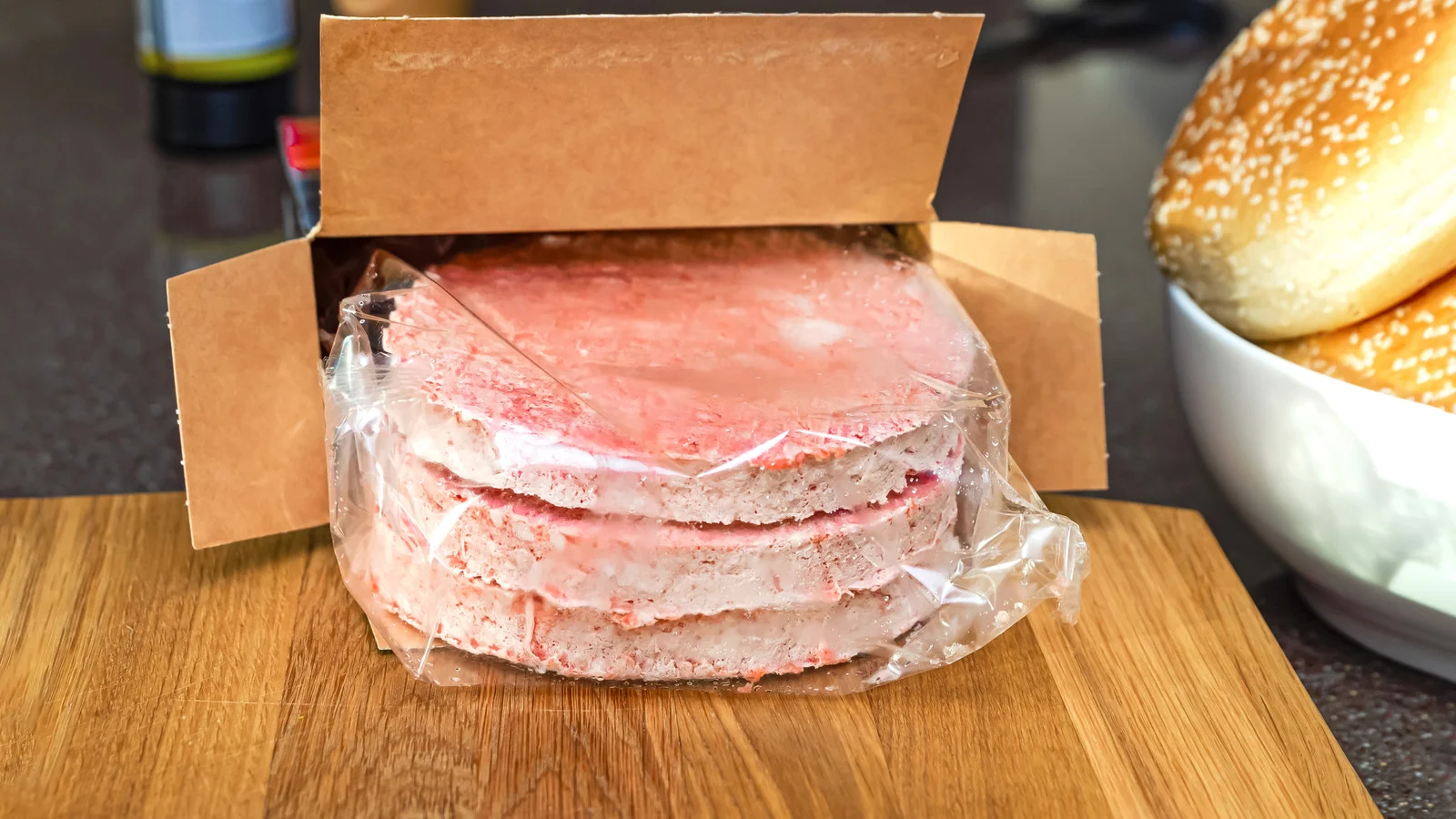
When standing in the frozen foods aisle, it’s not unusual to be curious about the meats in those boxed hamburger patties. The reality is, there isn’t a definitive single beef cut that defines them. The primary factor impacting the formulation of frozen patties is the fat percentage, which leads processors to blend different trimmings—essentially the leftover bits of lean meat and fat that remain after butchering. This blending process targets specific compositions based on desired fat ratios.
The Mechanics of Meat Blending
Two main types of trimmings come into play: the "50s" category, which consists of fattier remnants from finished steers and heifers, and the "90s," which includes leaner scraps sourced from culled cows and bulls. The meat industry employs a thoughtful approach to enhance flavor and juiciness in patties by mixing different cuts depending on current tastes and pricing. For instance, the fat content in beef muscle can significantly affect the cooking process. Fattier cuts provide a juicier, more flavorful bite, while leaner cuts often yield drier burgers. According to Iowa State University's AG Decision Maker, processors can mix these to achieve popular ratios like 80-20 or 85-15, ultimately creating a combined flavor profile from various cuts, including chuck, round, brisket, and sirloin, supplemented by miscellaneous ones that don’t sell as whole portions. Moreover, as customer preferences evolve toward leaner meats for health reasons, the balance in fat content will likely continue shifting. The current trends reflect a market that demands something more than just a burger; people want a piece of crafted meat that aligns with their dietary values and taste preferences. Renowned chef Robert Irvine aptly pointed out that the result is a "mash-up of random trimmings from who-knows-what cuts." This insight brings up a vital question about transparency in food production.
The Importance of Labels
Consumers seeking clarity about what's in their patties should take a close look at the label, as it provides the most accurate insight into the product’s contents. Navigating food labels can be a minefield, especially when many products tout vague promises about their content. In the U.S., terms like "ground beef," "hamburger," and "beef patties" are regulated distinctly under USDA guidelines. For instance, for a meat product to be labeled "ground beef," it cannot include added beef fat, must limit fat content to a maximum of 30%, and is prohibited from having additional water, phosphates, or extenders. "Hamburger" shares the same fat limit but allows for the inclusion of extra beef fat. The regulations for "beef patties" are somewhat relaxed, permitting elements such as binders and mechanically separated beef.
Even the term "beef" can be misleading; a package labeled "100% beef" might not consist solely of whole muscle cuts and may include beef heart, which is legally acceptable as it falls under muscle classification. This point could raise eyebrows, yet it hasn’t been shown to compromise the safety of the patties. That said, if you’re particularly concerned about quality and sourcing, labels are the first step in making informed decisions.
Choosing the Right Patties
If you're particular about wanting frozen patties made exclusively from specific primal cuts like ground chuck or round, it's best to choose brands that label this explicitly. Products like Bubba Burger, which claim to use "100% USDA Choice beef chuck," indicate a reliance on consistent quality rather than a hodgepodge of trimmings. In a ranked comparison of frozen smash burgers, Bubba's Smashed Original took the top spot largely due to its commitment to high-quality beef. You won’t just be eating another burger; you’ll experience how premium cuts can elevate flavors. But there’s also the question of sourcing versus convenience. If you’d rather avoid mass-produced patties, you might consider opting to grind your own chuck instead. This not only gives you control over the cuts and fat content but also can yield tastier results tailored to your palette. You're not only engaging more actively in your meal preparation, but you're also ensuring that every burger is crafted to your specifications.
Future Implications of Meat Production Choices
As the food industry adapts to both consumer demands and ethical considerations, the way we produce and consume meat is likely to evolve. Environmental concerns surrounding beef production, such as greenhouse gas emissions and land use, have prompted discussions about alternative protein sources. In this context, the blended nature of hamburger patties, which incorporates different cuts and trimmings, represents a level of efficiency within the meat industry. That said, transparency will be essential to maintaining consumer trust. As more people become aware of where their food comes from, companies will need to stay ahead of the curve, providing clear and honest labeling. The meat industry won't survive on nostalgia alone; it needs to meet modern expectations surrounding health and sustainability. If you're working in this space, understanding these dynamics isn’t just beneficial — it's necessary. Clarity in labeling and quality assurance will likely drive the next competitive edge in an industry that must adapt to respond to an evolving market.”

Discussion
Sign in to join the discussion.