A recent study uncovers the chemical compounds responsible for mango notes in whisky, offering producers new opportunities for flavor enhancement.
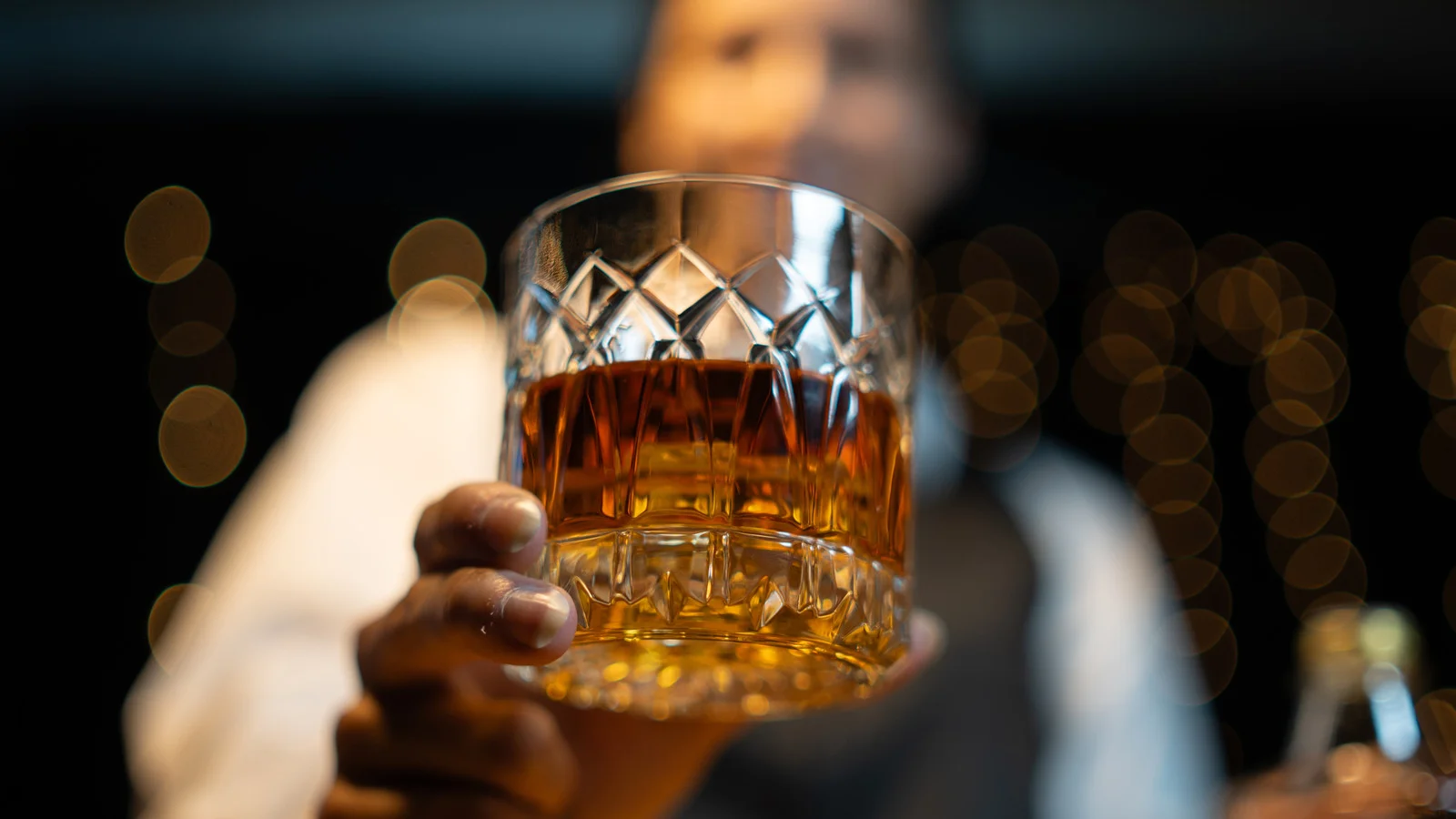
Whisky is typically characterized by tasting notes of vanilla, caramel, and oak, but the intriguing presence of mango has puzzled connoisseurs for years. Thanks to a study from Heriot-Watt University in collaboration with Japan's Kirin, we now have insight into the science behind these tropical flavors. This research sheds light on how specific chemical compounds develop during whisky production, revealing why some whiskies exhibit unexpected fruity notes.
Understanding the Flavor Profile of Whisky
Traditionally, whisky lovers have associated certain flavors with particular compounds created during fermentation, distillation, and aging processes. This deep-rooted relationship between ingredients and taste is pivotal in defining a whisky’s character. For instance, ethyl cinnamate is linked to cinnamon aromas, adding a spicy dimension to some whiskies. Ethyl lactate is known to impart buttery or creamy notes, enhancing mouthfeel and complexity. The most prominent note in bourbon, vanilla, originates from lignin found in oak barrels, which breaks down during maturation. Each flavor component contributes to the overall sensory experience, and understanding this chemistry is what keeps both producers and consumers engaged.
With the new study, researchers have identified isobutyraldehyde, isovaleraldehyde, and isovaleraldehyde diethyl acetal as the key compounds responsible for mango aromas in certain whiskies. These compounds may remain hidden unless sought out explicitly, illustrating the complexity of whisky production. The interplay of these chemicals offers a glimpse into an unexplored territory of flavors in whisky, expanding what connoisseurs consider standard tasting notes.
Research Methodology and Findings
The study, led by PhD student Takehiko Hiura, involved analyzing 14 whisky samples to discover which chemicals contributed to the fruit-forward notes. This rigorous approach emphasizes the need for scientific scrutiny within the whisky-making process. The findings confirmed that whiskies high in mango aroma also contained the aforementioned compounds. To validate their results, the team infused these compounds into a whisky with low perceived fruitiness and successfully enhanced its mango flavor profile. This experimental design speaks volumes about the meticulous science underpinning the beverage we often take for granted.
The Impact of This Discovery on Whisky Production
This research has major implications for the whisky industry, particularly regarding how tropical flavors are created and controlled. The aldehydes involved in fermentation can initially give off sharp or grassy tastes but evolve into more nuanced acetals through aging. Understanding these transformations allows distillers to better predict how their whisky will taste after a certain period. By isolating the specific acetals responsible for mango flavors, producers can fine-tune their processes to enhance or diminish these characteristics. This kind of knowledge positions distillers at a unique advantage, enabling them to craft whiskies with intentional flavor profiles.
Dr. Calvin Holmes, a co-author of the study, highlighted the potential benefits for distillers: "For whisky producers, that's good news: It means they can hopefully dial up or tone down tropical aromas by manipulating existing process steps." This newfound ability isn't just a technical achievement; it represents a shift in creative autonomy for whisky makers. Distillers now have the tools to sculpt flavors that resonate with modern consumers' evolving palates. As more drinkers seek out unique sipping experiences, this capacity to produce whisky with distinct mango notes could prove to be a significant market differentiator.
Implications for Enthusiasts and the Market
For enthusiasts, this discovery opens up fresh avenues for exploration. Members of the whisky community on platforms like Reddit suggest delightful options such as Balvenie Caribbean Rum Cask 14 Year Scotch, RedBreast 21 Year Irish Whiskey, and Glenmorangie 18 Year Highland Single Malt Scotch Whisky. These whiskies tantalize the palate with their distinct tropical notes, allowing consumers to appreciate the chemistry behind the flavors. But here's the thing: while some whiskies have naturally fruity notes, others may now be marketed with the promise of enhanced tropical character due to this research. It could change how brands position their products.
The increasing complexity of flavor possibilities may attract a new generation of drinkers who view whisky not just as a traditional spirit but as a platform for modern flavor innovation. If you're working in this space, being able to discern and describe these new flavor profiles is increasingly important. Consumers are becoming more educated, and they want to understand what they're drinking. The narrative behind each bottle could soon evolve, allowing distillers to tell a richer story that incorporates scientific findings alongside traditional craftsmanship.
Looking Ahead: The Future of Flavor in Whisky
The whisky market is in for a transformation, especially as more producers experiment with flavor profiles based on this new scientific insight. This blending of science and tradition might just be the ticket to appealing to a broader audience. Moreover, as whisky’s global appeal grows, the incorporation of tropical flavors could resonate especially well with consumers in warmer climates or those looking for something beyond the classic profiles. The chemistry that drives flavors shouldn't just sit in a lab; it belongs in the bottles we share with friends.
This research might have implications beyond whisky, perhaps influencing other spirits or alcoholic beverages where flavor manipulation can enhance consumer experience. The results of this study highlight a shift where taste profiles are crafted and controlled rather than merely accepted. The whisky industry might just be gearing up for a significant evolution.
Discussion
Sign in to join the discussion.