Flat-top grills offer versatile cooking options but come with significant maintenance and usability drawbacks, especially for home kitchens.
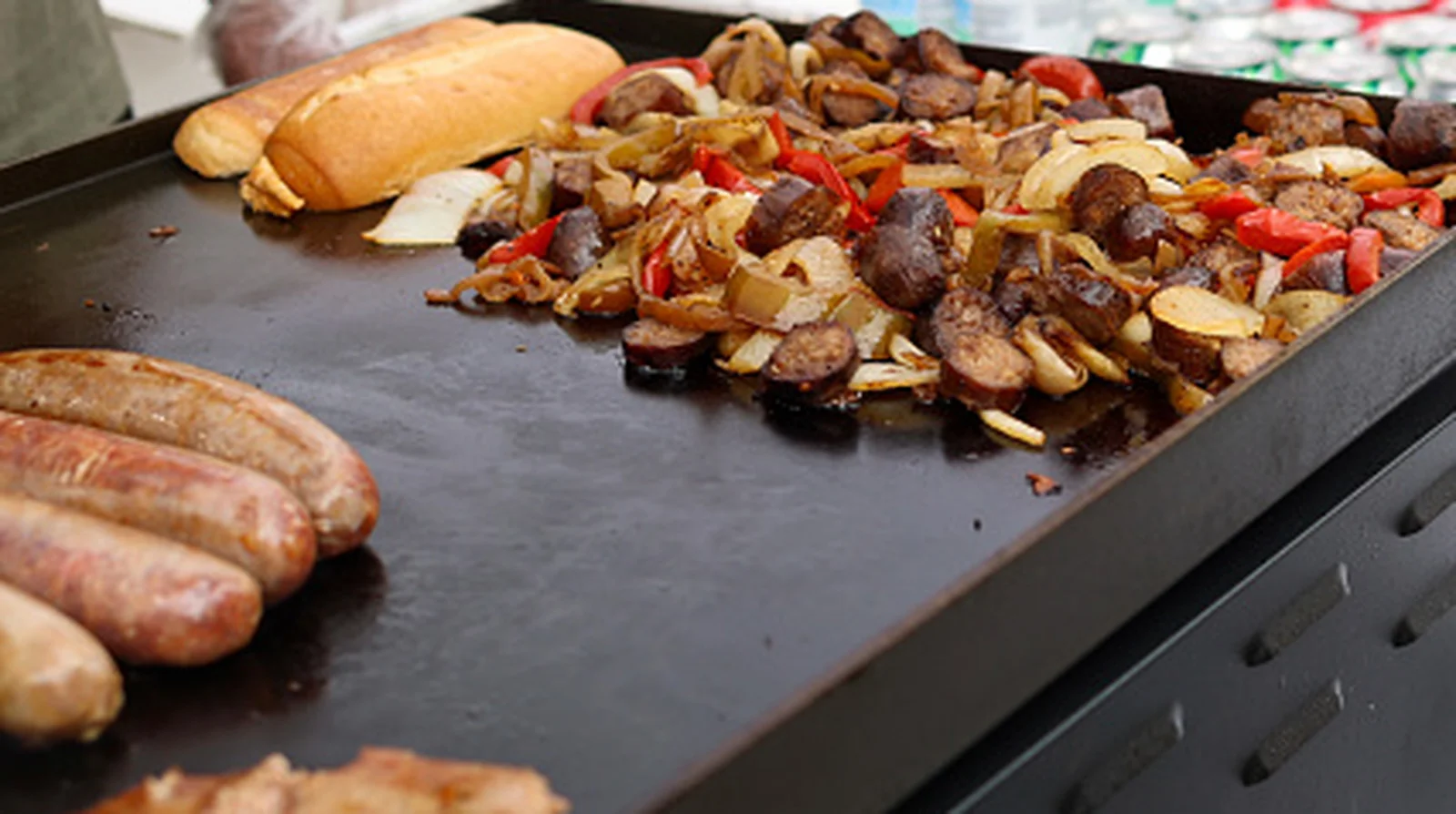
Flat-top grills are staples in both commercial kitchens and classic diners, known for their expansive cooking surfaces and ability to handle high-volume menus. While these grills provide substantial utility for chefs—facilitating everything from pancake breakfasts to searing steaks—they also possess certain disadvantages that could push home cooks back to traditional stovetops.
Maintenance Demands
One of the primary challenges with flat-top grills is their maintenance. These heavy-duty appliances require diligent care to maintain their nonstick surface and overall hygiene. Without consistent upkeep, they can quickly accumulate grime, grease, and rust. The workload involved in cleaning can escalate, demanding specialized tools such as grill bricks to keep the surface smooth and clean.
In commercial settings, where these grills often see heavy use, the buildup of char and residue occurs rapidly. While seasoned cooks may find it manageable to maintain a flat surface akin to a well-cared-for cast-iron skillet, the casual home cook might feel overwhelmed by the extra effort needed to keep their flat-top grill in pristine condition.
Lack of Smoky Flavor
While flat-top grills excel at producing a perfect sear, they fall short in delivering that beloved smoky flavor distinctive to traditional grilling methods. Without exposure to an open flame, meats cooked on a flat top can sometimes lack the depth of flavor that comes with charred cuts. This flavor deficiency can particularly resonate with those accustomed to grilling over wood or charcoal, making any trade-off for consistent texture seem less appealing.
Although some chefs suggest compensating for this smokiness using liquid smoke or smoked seasonings, these alternatives rarely match the richness of grilling over live fire.
Basting Limitations
Another critical downside of flat-top grills is their inability to accommodate basting techniques. Traditional pan searing allows cooks to enhance flavors by spooning juices, fats, and herbs back onto proteins as they cook. On a flat top, this task becomes nearly impossible, as there's no curved surface to contain the juices, which diminishes the overall flavor and quality of the finished dish.
For many chefs, the subtle flavor enhancement from basting is a key component in producing memorable dishes, and flat-top grills simply don't allow for this culinary technique.
Mobility Challenges
The bulk of most flat-top grills can pose significant logistical challenges, particularly for those who might want to transport them for outdoor cooking or catering events. Unlike portable gas grills designed for easy mobility, flat tops usually require multiple hands to move and lack ergonomic features, such as wheels or collapsible designs. They often resemble stationary kitchen furniture more than portable grilling options, making them cumbersome for casual use.
In scenarios where versatility and mobility are desired, flat-top grills may not be the best fit. Their design is primarily intended for fixed commercial settings, which can restrict their utility in personal kitchen use.
Heavy Equipment, Heavy Maintenance
Operating flat-top grills often involves managing multiple burners and associated gas lines, which can complicate maintenance. Even well-built models require ongoing checkups and periodic repairs, and for those unfamiliar with their mechanics, managing a flat-top grill can turn into a steep learning curve.
For home cooks invested in ease of use, this equipment can be cumbersome. Conventional grills offer an intuitive experience, while flat tops require a deeper knowledge of how to operate, maintain, and clean them. The allure of versatility, while attractive, often comes with a series of practical drawbacks that might not align with the casual home cook's needs.
Ultimately, while the flat-top grill is an impressive tool for chefs striving for culinary efficiency, its disadvantages should not be overlooked. Those interested in flavor, ease of maintenance, and mobility may find traditional cooking methods or equipment to be more fitting for their kitchen endeavors. Careful consideration should be given to how often one uses a grill and the specific cooking techniques desired before deciding to invest in this robust yet high-maintenance appliance.



Discussion
Sign in to join the discussion.