Arby’s Meat Mountain, an unofficial sandwich packed with eight meats, has evolved into a sought-after secret menu item despite rising prices.
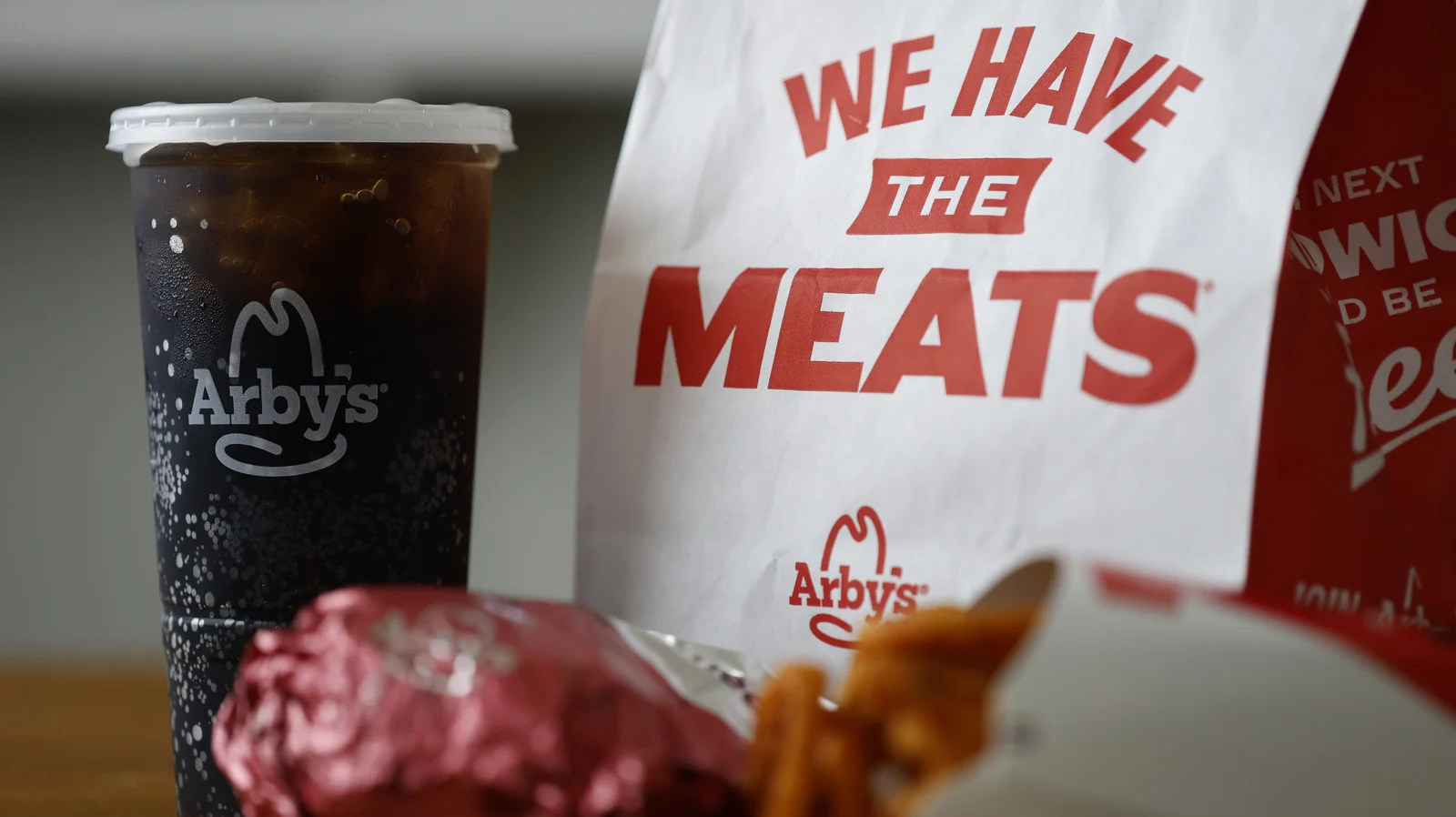
Arby's slogan "We Have the Meats" took on new meaning in 2014 when the fast-food chain showcased an outrageous meat-laden offering. A promotional poster highlighting the variety of meats went viral, prompting customers to request sandwiches loaded with every option. Rather than declining these demands, Arby’s embraced the idea, leading to the creation of the infamous Meat Mountain. This substantial sandwich combines eight different meats—chicken tenders, roast turkey, ham, corned beef, brisket, Angus steak, roast beef, and pepper bacon—layered within a star-shaped bun, all topped with Swiss and cheddar cheese. As one Reddit user aptly noted, "Looks like a great time and a bad decision."
Initially priced around $10, the Meat Mountain packs over 1,000 calories, making it either a formidable single meal or shareable between two. For those desiring even more protein, adding a fish filet is an option. Due to its impressive size, the sandwich defies standard packaging, requiring it to be wrapped in butcher paper—typically used for heating tortillas. A former Arby’s employee shed light on the preparation time, revealing that it takes more than twice as long to assemble compared to traditional sandwiches.
A Culinary Mountain to Climb
Although the Meat Mountain has never completely vanished from the menu, its availability has become more elusive. The à la carte nature of its ingredients has caused prices to surge, now commonly exceeding $20 depending on the location. To get one, customers must either ask for the Meat Mountain by name or provide detailed instructions. Despite the high cost, fans have expressed delight after trying it, with one asserting, "When I tell you that sandwich was amazing I’m not lying."
There's a fascinating dichotomy in customer experiences. While many rave about the indulgent flavor explosion that comes with trying the Meat Mountain, others voice their critiques. Not everyone agrees it hits the mark; some describe the Meat Mountain as overly salty, noting that certain meats don’t blend well together and can be served at a lukewarm temperature. This inconsistency raises questions about the quality control that fast-food chains often grapple with. You’d think something as hyped as the Meat Mountain would consistently deliver, but that’s not always the case.
Textural feedback has varied among tasters, with remarks ranging from "least appealing sandwich from Arby’s" to critiques of its "weird" meat consistency. Many have commented on its soggy appearance, requiring sauce to enhance flavor and palatability. The advice for adventurous eaters? Generous helpings of Arby’s signature sauce could elevate the experience. Assuming a diverse palette helps; the sandwich is a carnivore’s dream yet might not suit everyone’s taste buds.
The Cultural Impact of Meat Mountain
Ultimately, Arby’s Meat Mountain embodies a unique customer-inspired creation that has become a notable item, attracting attention for its ambitious mix of flavors and sheer size. It transcends the boundaries of a typical fast-food sandwich, positioning itself as a culinary icon with a loyal following. This phenomenon illustrates the growing trend where consumer demand actively shapes restaurant menus. Arby’s willingness to innovate based on customer feedback is a noteworthy aspect that resonates with a segment of today’s diners. It's a reminder that some of the best ideas come directly from the customers themselves.
Meat Mountain's journey is a reflection of the broader food culture as well. The appetite for extreme food offerings, prominently seen in various food challenges and eating contests, plays into this narrative. Arby’s capitalized on this zeitgeist, transforming a fleeting online joke into a mainstream menu item that symbolically champions excess. If you're working in this space, consider what this says about consumer engagement: restaurants that listen to their patrons can create sensations that not only attract attention but invite interaction and conversation.
Implications and Future Outlook
So what does all of this mean for the fast-food industry? It could signal a shift in how chains approach menu offerings. The Meat Mountain serves as a case study in the impact of social media on food trends. As customers seek more personalized and over-the-top experiences, brands may increasingly rely on customer-driven innovation. Traditional approaches to menu creation could give way to more experimental options that encourage consumer input.
The numbers might not be everything, but the excitement surrounding such creations suggests a market willing to explore the boundaries of fast food. If nothing else, the Meat Mountain's reputation and subsequent demand might prompt Arby’s and similar chains to test the waters with larger-than-life offerings and encourage imaginative interpretations of classic menu items. This re-evaluation of consumer preferences could open the door for even more wild culinary adventures in fast food—and maybe that's what diner culture needs right now.



Discussion
Sign in to join the discussion.