Merlot and Pinot Noir are popular red wines with distinct profiles; this guide highlights their unique flavors, growing conditions, and food pairings.
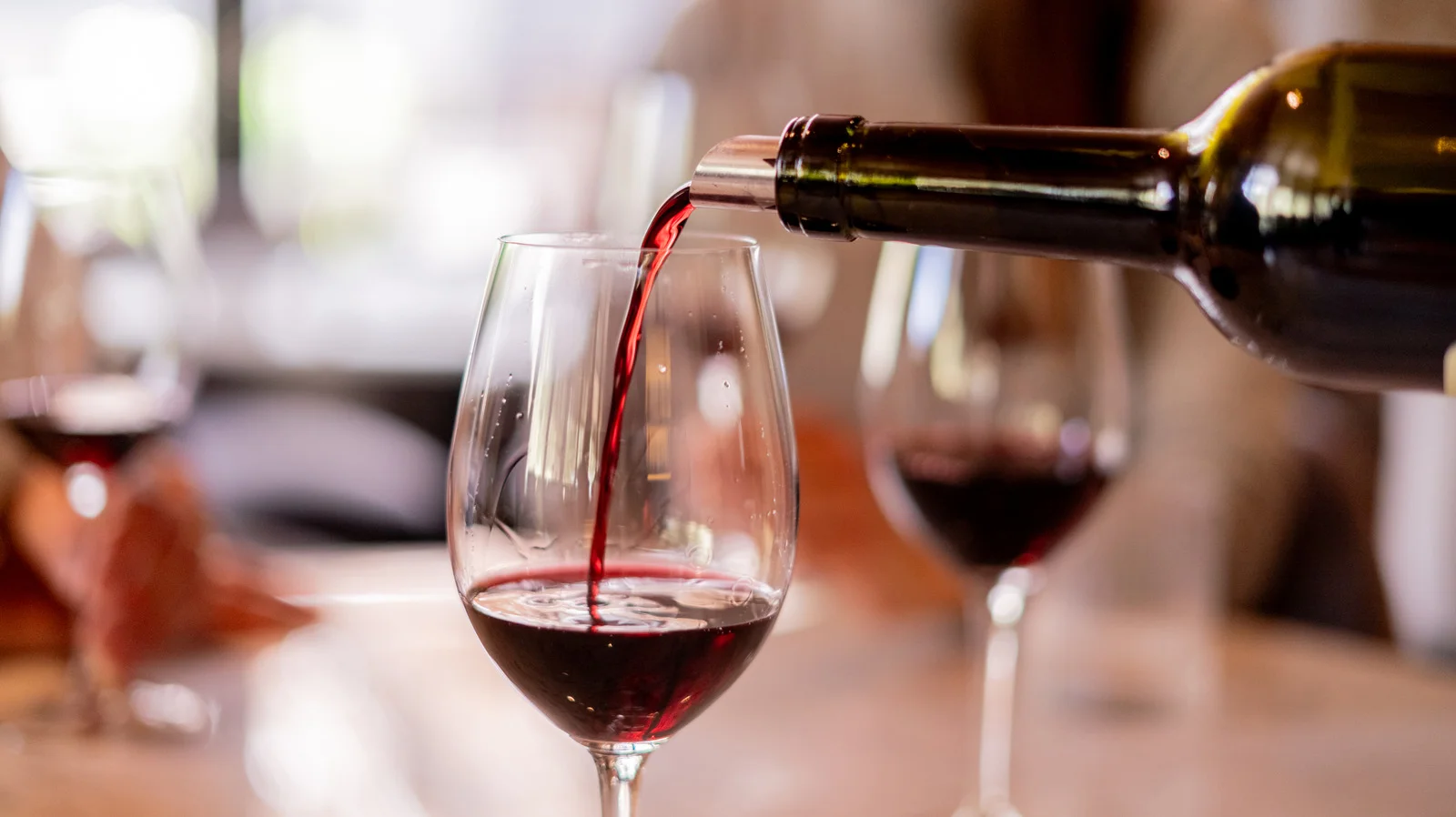
A trip down the red wine aisle often presents a delightful dilemma, with Merlot and Pinot Noir consistently emerging as crowd favorites. Merlot holds the title of America’s second most popular red, just behind Cabernet Sauvignon, while Pinot Noir boasts a rich history dating back to the 14th century, cultivated by French monks. Both varieties deliver fruit-forward flavors, moderate dryness, and French heritage, yet they diverge significantly in taste and character.
Understanding the Fundamental Differences
The fundamental distinction between these wines lies in their fruit profiles. Merlot presents a palette of dark fruits such as blackberry, plum, and black cherry. In contrast, Pinot Noir captures the lighter essence of red cherry, raspberry, and cranberry, making it appear drier on the palate due to its higher acidity. Texture-wise, Pinot Noir leans towards a light-to-medium body, while Merlot is known for its fuller, rounded mouthfeel.
Visual differences are also stark. Merlot’s dark fruit inheritance is reflected in its deep hue—its name is derived from “merlau,” a blackbird species native to Bordeaux, hinting at the wine's dark color. In comparison, the recognized terroir of Burgundy imparts a unique character to Pinot Noir, influenced by soil composition, climate, and winemaking techniques. Understanding these differences can significantly enhance your wine selection process.
(and this is the part most people overlook) The growing conditions play a vital role in shaping the flavors and characteristics of these wines. For instance, while both varietals can thrive in various regions, the end result can differ dramatically based on local farming practices, climate, and even winemaker styles. The adaptability of Merlot often means it can be blended with other varietals, which is sometimes seen as a drawback by purists who prefer single-varietal wines like Pinot Noir.
Merlot: Juicy and Rich
Merlot's appeal lies in its soft tannins, moderate acidity, and smooth finish, which makes it an excellent choice for red wine newcomers. The wine’s velvety profile is achieved without overwhelming tannins, straddling the line between complexity and approachability. While Merlot grapes flourish globally, they reach peak expression in regions like Bordeaux, the U.S., and Italy, thriving in cool climates with clay and limestone-rich soils.
A quintessential Merlot is recognized as a dry wine, balancing rich black fruit and chocolate with secondary spice notes. Cool-climate Merlots often showcase earthy undertones of fig and herbs, while warm regions like California yield pronounced flavors of raspberry and cherry enhanced with cocoa and nutmeg. This wide adaptability contributes to Merlot’s affordability, with many excellent bottles available under $15, allowing consumers to explore without breaking the bank.
Let’s be frank: Merlot's accessibility makes it a go-to for gatherings and casual get-togethers. You won’t find the often pretentious atmosphere that surrounds some other varietals. It pairs well with hearty dishes like lamb, veal, duck, and even plush pasta dishes, making it versatile for a range of culinary experiences. Whether you're hosting a dinner party or simply enjoying a quiet night in, Merlot adapts to the occasion.
Pinot Noir: Elegant and Earthy
In contrast, Pinot Noir displays lower tannins but boasts higher acidity, imparting a freshness and liveliness that sets it apart. Although sharing a fruity profile with Merlot, its flavor sources are distinct, with cherries, raspberries, and cranberries accented by earthy notes reminiscent of forest floors and mushrooms. French oak aging enhances complexity with hints of baking spice and vanilla, though not all Pinot Noir undergoes this treatment.
This varietal proves to be more finicky than Merlot due to its delicate skin and tight grape clusters, making it susceptible to various agricultural challenges, from pests to moisture levels. Pinot Noir flourishes in cooler regions like Burgundy, parts of Germany, Oregon's Willamette Valley, and California's Sonoma County. Its elegance shines through its complexity, with ideal food pairings that include smoked meats, grilled salmon, and artisanal cheeses—particularly enjoyed alongside charcuterie boards combining bold flavors and unique textures.
Personal Preferences and Perspectives
Ultimately, whether one favors the bold and juicy Merlot or the complex and earthy Pinot Noir will depend on personal taste and occasion. Exploring these two varietals reveals not just preferences but the storied traditions and nuances of viticulture behind each bottle. For some, the choice may lie in the robustness of Merlot, perfect for autumnal gatherings, while others might lean toward the sophistication of Pinot Noir during festive dinners.
Future Outlook: The Evolving Palate
The dynamics between these two popular red wines hint at broader trends in the wine industry. Consumers are becoming more adventurous, often willing to explore lesser-known varietals alongside the familiar names of Merlot and Pinot Noir. This evolution points towards a future where the wine market may be shaped less by traditional staples and more by emerging tastes, individual vineyard stories, and unique terroir characteristics. If you're working in this space, keep an eye on consumer preferences, as they may shift towards more novelty options while still honoring the longstanding traditions these classics represent.



Discussion
Sign in to join the discussion.