Understanding the difference between value wines and cheap wines is essential for enjoying quality experiences without overspending.
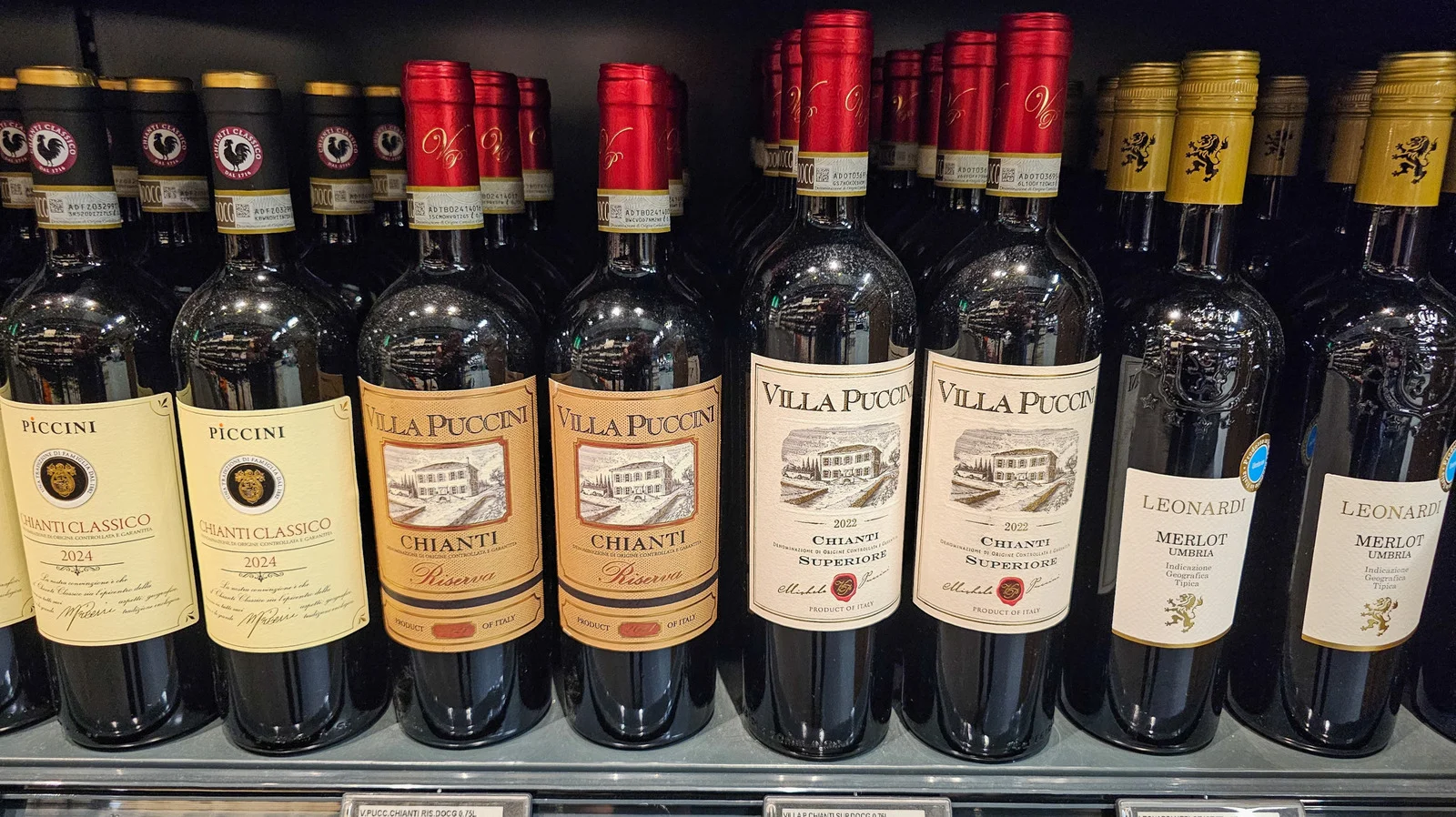
The wine market can be daunting to navigate, filled with myriad choices ranging from bargain bottles to premium options. For those who simply want to savor a good glass, the distinction between a cheap wine and one that offers real value becomes critical. Many inexpensive wines can lack quality, while affordable wines can provide an experience that’s truly worth the cost.
David Kravitz, beverage director at The Group Hospitality, emphasizes that the real measure of a value wine is how its quality surpasses its price. "A cheap wine is just inexpensive," he explains, "while a value wine provides a tasting experience that feels more luxurious than its price tag." This taps into a common misconception that low cost automatically equates to low quality—a notion unequivocally disproven by the existence of affordable wines that are both enjoyable and sophisticated. The reality is, there’s a sweet spot in the market where price and quality intersect, and finding that niche is what savvy consumers aim for.
Understanding What Constitutes Value
The concept of wines that seem pricier than they actually are isn't new. A 2010 article in The Guardian delves into various interpretations of "value" within the wine realm, noting that different consumers prioritize different aspects in their wine selection. What feels like a bargain to one person might seem overpriced to another. The most expensive wine isn’t necessarily a good value if it doesn’t align with your personal palate. Often, it takes tasting a wine to truly appreciate its worth, indicating that price shouldn't be the sole consideration. This subjective nature underscores how personal preference can dramatically influence perceptions of value.
Let’s consider this: the interplay of personal taste, brand perception, and marketing can skew individual assessments. A wine labeled as "luxury" could evoke unwarranted expectations that distort what you might view as valuable. If you're working in this space, you'll recognize that consumer psychology plays an essential role in how wines are priced and purchased. A critical analysis reveals that understanding your own taste profile and the market dynamics can help you appreciate what value truly means for you.
Production Scale and Quality
According to Kravitz, how a wine is produced can offer significant insights into its quality. He suggests looking for wines crafted in smaller batches by individual families or producers. "Mass production can result in lower prices, but often at the expense of the wine's character and quality," he notes. This raises an important question: What does small-scale production contribute to flavor complexity? When a winemaker is hands-on, processes tend to be more intentional—often leading to more vibrant flavors and unique characteristics that stand out on your palate.
Additionally, The Guardian concurs, mentioning that wines made with an attentive approach to both method and environment can yield excellent value. Think about it: when vineyards control their output to focus on quality, they're more likely to generate wines that reflect the terroir—those regional characteristics that can elevate a bottle from merely “drinkable” to something memorable.
Nevertheless, part of finding a good value wine involves knowing your preferences. "Value doesn't strictly align with price; some value wines may not be cheap, and vice versa," cautions Wine Enthusiast. These insights stress the importance of buyer education. Be wary of vague labeling such as "Barrel Select" or "Winemaker's Selection"; often, these terms are used to mask inferior products. Seeking out wines with lower production rates may enhance your likelihood of finding a rewarding drinking experience that isn't matched by a hefty price tag. Our earlier coverage on key questions to ask when selecting wine highlights the importance of informed purchasing, allowing consumers to better identify genuine value.
The Implications of Wine Value
The implications of understanding wine value extend beyond personal enjoyment. They touch on broader trends in the wine industry and consumer behavior. As more people become aware of the available quality in lower-priced wines, brands that historically positioned themselves as luxury providers may need to rethink their strategies. This shift can lead to increased competition, which, in turn, spurs innovation in producing high-quality wines at better prices.
This also poses a question regarding the future of consumer choices. Will the move toward valuing quality over price skew market opinions and redefine premium? And yet, in a market flooded with options, consumers are armed with a greater ability to make discerning choices. As you sift through the many products available, being informed becomes more relevant. Appreciating wine requires understanding both personal taste and market dynamics. By discerning between cheap and value wines, you can enjoy satisfying options without overspending, a satisfying approach to wine purchasing.



Discussion
Sign in to join the discussion.