Genetics and personal experiences shape our perception of cilantro's flavor; understanding these factors can help some learn to embrace it.
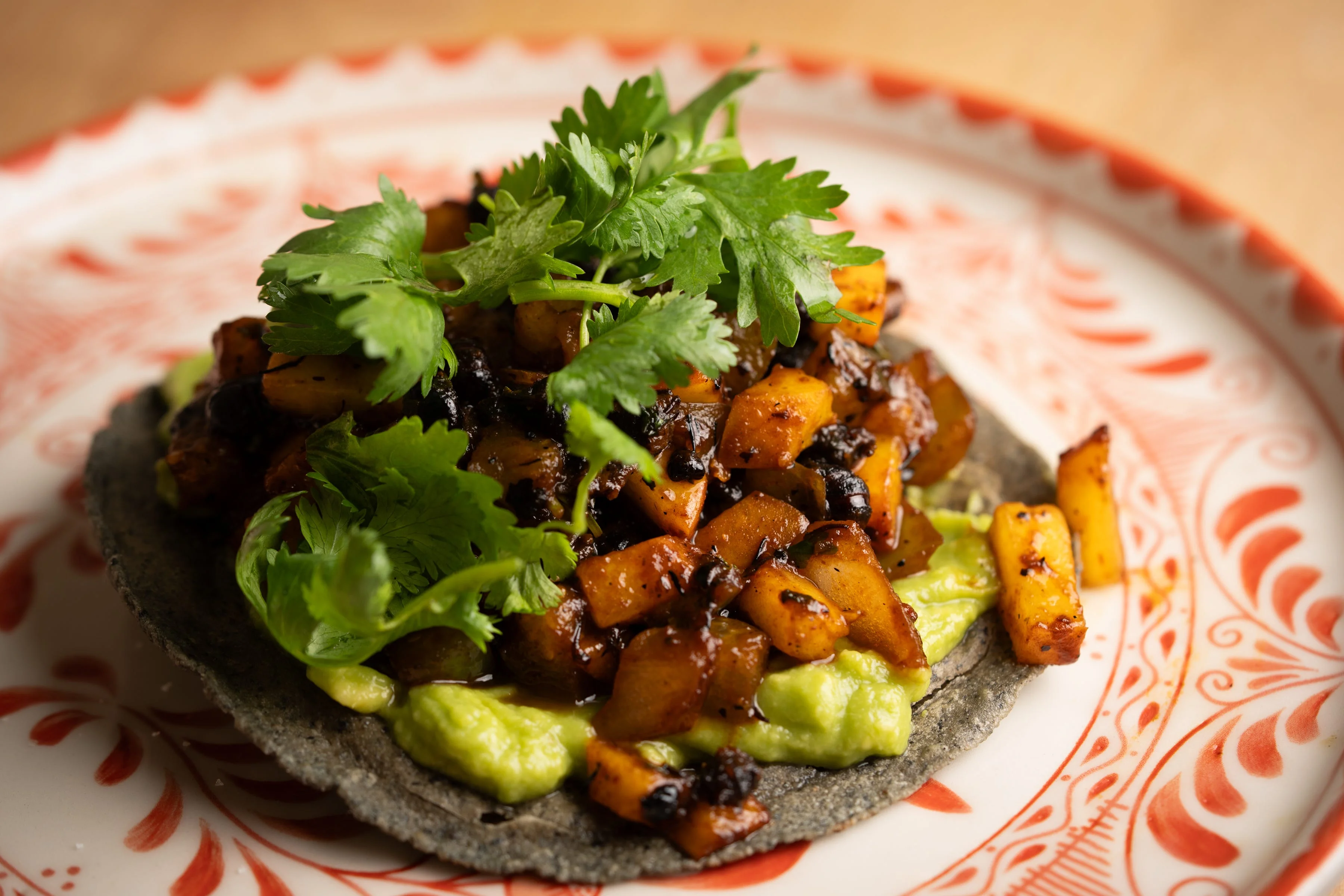
Cilantro, with its bright flavor, garners both fervent fans and passionate detractors. For some, that distinctive flavor comes with an unwelcome twist: a soapy taste attributed largely to genetics. The divide is so pronounced that discussions about cilantro often provoke strong emotions, making it a polarizing herb in culinary circles. Those who love it defend its fresh, citrusy notes, while those who detest it share their soapy experiences with equal intensity.
The Genetic Connection to Cilantro's Flavor
Research indicates that genetic variation near the OR6A2 olfactory receptor gene plays a significant role in how individuals perceive the taste of cilantro. Dr. William Li highlights that the aldehydes in cilantro are interpreted differently based on one’s genetic makeup. While some may find them refreshing and citrusy, others experience a pronounced soapiness. This genetic distinction is not just a minor quirk; it offers profound implications for how we understand flavor perception as a whole. Taste is a multifaceted experience, and cilantro's divisive nature illustrates this complexity.
This genetic predisposition impacts enjoyment significantly, but it’s not the sole factor at play. Dr. John Hayes, a food science expert, explains that cultural background, familiarity, and past culinary experiences also influence whether one finds cilantro appealing or repugnant. The interplay between genetics and these other elements makes the culinary experience richer and more varied. It challenges the simplistic notion that liking or disliking a food is entirely a matter of biology.
Beyond Genetics: Cultural Influence and Preferences
Cilantro’s taste experience isn’t only dictated by genetics; social and cultural contexts significantly shape preferences. For instance, individuals raised in cultures where cilantro is a staple are more likely to appreciate its flavor, even if they have the genetic predisposition toward finding it soapy. This cultural exposure plays a pivotal role, introducing flavors and food combinations that shape our palates over time. Remember: Food is often entwined with tradition and identity, making the case for cilantro's acceptance even stronger.
Conversely, someone unfamiliar with cilantro might be less inclined to enjoy it, regardless of their genetic make-up. Dr. Hayes emphasizes that the overall enjoyment of food is a tapestry woven from genetic, cultural, and individual experiences—showing that despite genetic tendencies, preferences can still be divergent. This multi-layered approach to flavor perception opens avenues for culinary experimentation that might otherwise be overlooked.
Is Cilantro Dislike Unchangeable?
The notion that ‘genetics is destiny’ rarely holds true for cilantro aficionados. Dr. Li suggests that repeated exposure could help those averse to cilantro acclimate to its flavor. However, he acknowledges that the timeline for this adjustment is highly variable—ranging from weeks to potentially years. It's a fascinating concept that speaks to the adaptability of the human palate and raises the question of whether these flavor aversions can ever truly dissipate.
Additionally, social validation, such as positive reinforcement from friends or cultural traditions, can also buoy one's attitude toward cilantro. Some might even find that pharmacological rewards from accompanying flavors, such as caffeine from coffee, can enhance preferences over time. Still, for some individuals, overcoming a dislike for cilantro may never occur. This leaves us with a complex picture: changing one's taste isn't solely about the flavors themselves, but also about the context in which they are consumed.
A Personal Journey with Cilantro
Many people, like me, navigate a nuanced relationship with cilantro. While it occasionally graces my dishes, I often find myself picking it out to avoid the soapy sensation. Yet, the ongoing exploration of flavors and continued experiences may pave the way toward acceptance—or at least a more palatable interaction. If you're working in this space, this underlines a larger trend: as we explore diverse cuisines, we might just discover new appreciation for ingredients we've previously labeled as “not for me.”
As our culinary journeys unfold, it’s a reminder that personal preferences—whether inclined or aversive—add depth to our collective food culture. Understanding the blend of genetic predispositions and cultural influences is key to appreciating the diverse palette we each possess. So how do societal norms and genetic factors interact? That remains a fascinating puzzle, one that encapsulates the rich, shared world of flavors and experiences surrounding cilantro.
Implications and Future Outlook
The conversation around cilantro isn't just about what we enjoy eating; it highlights broader themes in understanding human perception and cultural diversity. The genetic basis for cilantro's rejection underscores how our biology shapes food experiences, but it also prompts us to consider how food culture evolves. As globalization continues to intermingle various culinary practices, it’s likely that the acceptance of flavors like cilantro will shift, making room for insights into other polarizing foods.
The future of culinary tastes may hold even more surprises. As food scientists explore how our preferences change, we could see more interest in food education or culinary schools where more diverse flavor profiles are introduced, potentially currying favor for cilantro among the genetically predisposed. All in all, the cilantro debate encapsulates a fascinating intersection of science and culture, suggesting that our approaches to food may evolve just as we do.



Discussion
Sign in to join the discussion.