Walmart's Great Value Organic Triple Berry Blend recall has expanded due to E. coli concerns, affecting select stores across 16 states.
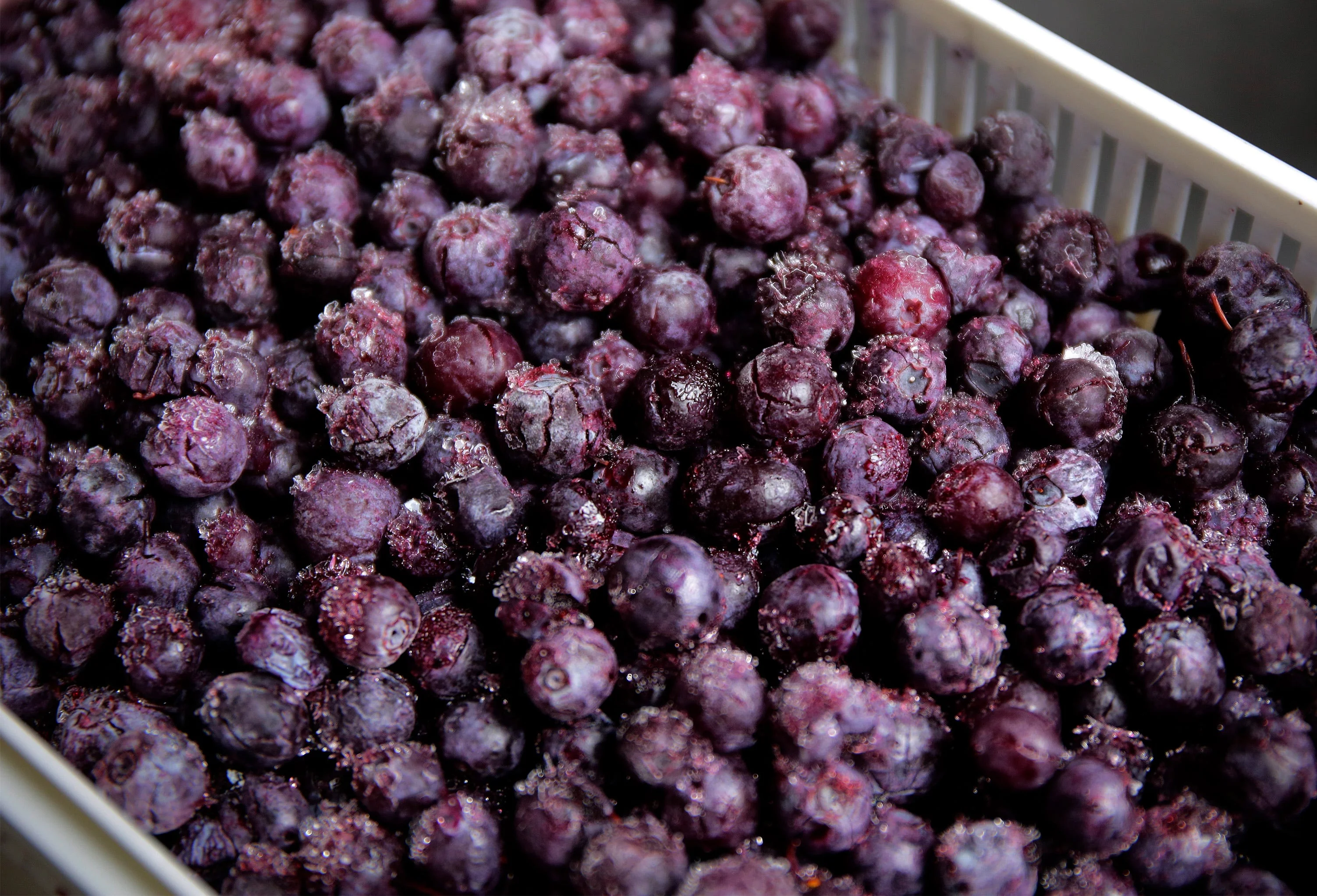
Walmart has expanded its recall of frozen berries due to a connection with an E. coli outbreak that has recently drawn attention. The implicated product is the Great Value Organic Triple Berry Blend, which includes strawberries, blackberries, and blueberries.
Details of the Recall
The recall concerns 10-ounce bags of the berry blend, which bear a best-by date of February 9, 2028. These items were distributed to select Walmart locations across 16 states, encompassing areas like Alabama, Florida, Indiana, and Texas. Sea of affected stores could mean a larger risk for consumers than initially perceived—bigger than just a handful of locations. Communities shouldn’t underestimate the weight of a recall when it involves a popular product like this.
Background of the Outbreak
This action follows an earlier recall by Publix, which in July alerted consumers to potential E. coli contamination in its GreenWise Organic Blueberries and Mixed Berries. Recalls like this are not simply reactions to isolated incidents; they're part of a larger narrative surrounding food safety. As the investigation into these outbreaks unfolds, Walmart's product has now entered the spotlight as health officials aim to trace the origins of this contamination. The connections among different retailers indicate that the issue may be more widespread than one particular brand or outlet.
Outbreak Investigation Insights
Frutas y Hortalizas del Sur S.A., the producer of the affected berries, has expanded the recall as part of ongoing investigations. The responsibility for monitoring food safety often falls on companies like this, and the scrutiny they come under during a public health scare can be intense. While no illnesses have been directly tied to Walmart’s frozen berries, the overall outbreak has resulted in 12 reported illnesses in Florida and Georgia, with four individuals requiring hospitalization. Fortunately, no fatalities have been reported, but the seriousness of E. coli outbreaks can escalate quickly. The fact that there are confirmed illnesses reinforces the necessity for consumers to pay attention to product safety alerts—because at this stage, "no reported illness" doesn't mean it's safe.
Health Implications
The FDA has classified the prior Publix recall as Class I, indicating a high probability that consuming the affected product can lead to severe health issues. This classification is a significant red flag; it reflects the agency's assessment of the potential risks involved. As for Walmart’s berries, they haven't yet received a similar classification, but the warning remains serious. Consumers are advised against eating the potentially contaminated berries and are encouraged to either dispose of them or return them for a refund. Following these guidelines is essential as they can help mitigate broader health risks, although the immediate risk varies depending on individual health conditions.
Understanding E. coli Risks
The strain of E. coli involved, O145, is known for producing Shiga toxins and can lead to severe gastrointestinal symptoms. Many won't realize that something as seemingly innocent as frozen berries can pose a significant health risk. Although healthy individuals typically recover within a week, there is a risk of developing hemolytic uremic syndrome (HUS), especially among vulnerable populations such as children and the elderly. Consumers need to be informed about these risks—they aren't trivial. For those with the affected product in their freezers, it's crucial to follow the FDA's guidance: discard the berries or return them to your local Walmart for a full refund. If you're working in this space, this serves as a reminder of just how critical food safety regulations are.
Implications and Future Outlook
This incident highlights the persistent challenges surrounding food safety, particularly in the supply chain associated with frozen food products. Walmart, a major player in grocery retail, finds itself under scrutiny, not only for the recall but for how it communicates risks to its customers. As consumers grow more health-conscious, clarity in labeling and prompt action during health scares will only become more important. This isn't just about one outbreak or one product; it's about how companies respond to emergencies. Will they adopt more proactive measures for testing and transparency? The current scenario could serve as a catalyst for improvements in food safety protocols across the industry.
If history is any guide, recalls often lead to enhanced safety measures, and consumers will benefit from more rigorous checks in the future. However, manufacturers and retailers must also work collaboratively to address issues of contamination before they escalate into public health crises. For those engaged in food production and retail, this serves as a wake-up call: prioritize safety, or risk facing the consequences—both reputational and regulatory.



Discussion
Sign in to join the discussion.