Walmart enhances its app by adding Dunkin' delivery, starting with 150 in-store locations and expanding nationwide, streamlining shopping for customers.
Walmart's Expanding Delivery Services
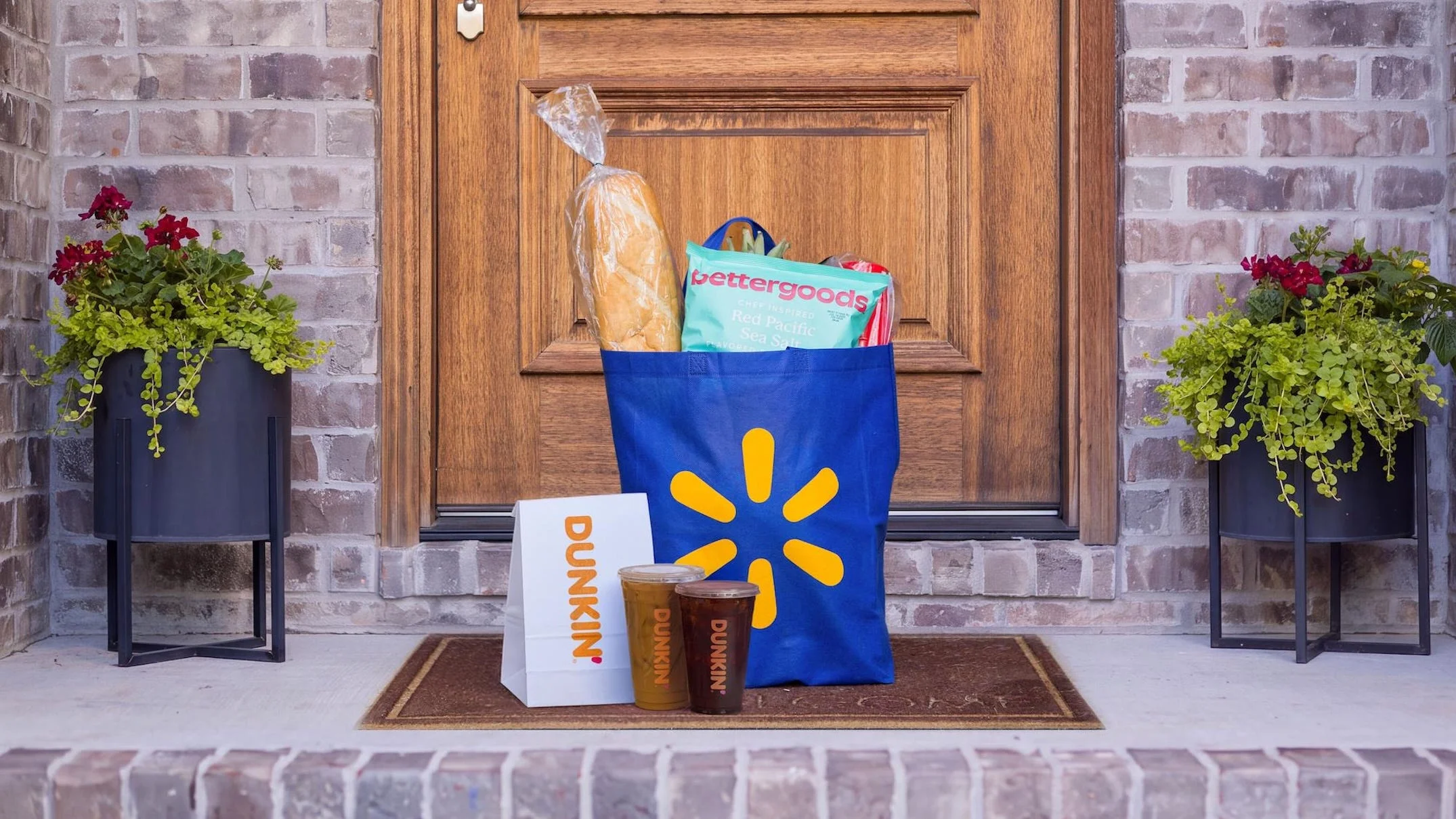
Walmart is expanding its services by integrating Dunkin’ delivery directly into the Walmart app and website. This initiative kicks off with 150 Dunkin’ locations nestled within Walmart supermarkets, with plans to broaden availability to many of Dunkin’s 10,000 standalone stores across the country. This move signals Walmart's ongoing commitment to capturing a larger share of the grocery delivery market while incorporating dining options that resonate with consumers.
A New Way to Shop: Mixing Groceries and Coffee
This delivery feature represents more than just an added convenience; it plays into a broader trend of merging grocery shopping with food delivery services. Eligible customers can now order Dunkin’ foods and beverages alongside their grocery items in a single transaction. That's a significant shift in the way consumers usually approach their shopping. Instead of making multiple stops — first for groceries, then for coffee — shoppers can now streamline their errands.
If there’s a participating Dunkin’ outlet nearby, it will appear in the Restaurants tab based on the customer’s delivery address. This makes for an intuitive shopping experience, allowing customers to mix and match their essentials with their cravings. It’s tailored convenience, something today’s consumers have come to expect from their shopping experiences. Walmart’s aim here seems to be about enhancing customer satisfaction and loyalty by removing friction from their shopping trips.
Building on Previous Partnerships
Walmart has gradually ventured into food delivery, notably rolling out services with Subway earlier this summer as part of its Express Delivery program. The Dunkin’ partnership marks a significant escalation of this strategy. Bringing a beloved coffee chain into the mix not only enhances Walmart's appeal but also positions it competitively against other grocery and delivery services that are vying for consumer dollars. And yet, the question remains: Can Walmart sustain this momentum against longstanding player dominance in the food service domain?
This collaboration isn’t merely an add-on for Walmart; it’s part of a bigger trend where grocery chains are increasingly looking to diversify their offerings. The gamble here is in the potential future collaborations with other restaurant partners outside the confines of Walmart stores. As consumers seek more diverse options in one-stop shopping, will Walmart be able to keep evolving its partnerships to meet those needs effectively?
And here's the thing: as consumers become more accustomed to convenience, brands like Walmart must ensure that any service they roll out is not just a novelty but something that enhances the user experience. Ease of access won't suffice if the quality of the food and delivery isn't up to par with what consumers expect. That can make it a tricky balancing act for Walmart as it expands.
The Customer Experience: Convenience is Key
In discussion of the initiative, Greg Cathey, a Walmart executive, highlighted the aim of simplifying errands for customers. The convenience of having coffee and snacks available while shopping—without needing to make separate stops—sits at the heart of this development. It's a customer-centric approach, and an effective one at that, as seen in trends where grocery delivery has rapidly gained traction over the past few years.
Dunkin’s Brand President Scott Murphy echoed this sentiment, stating, “Our goal is simple: make it even easier for guests to enjoy Dunkin’ whenever and wherever they want it.” This partnership certainly bolsters Dunkin's reach by integrating its offerings into the routines of Walmart shoppers. When customers associate their grocery shopping with a satisfying coffee run, they're more likely to return.
This type of collaboration also feeds into loyalty-building strategies. If customers get used to ordering Dunkin’ via Walmart's platform, they may start to favor it over other services. It’s almost like a loyalty program without the formal mechanics — the mere act of integrating these services strengthens brand allegiance in a subtle yet impactful way.
Beyond the Errand List
The collaboration looks to eliminate the traditional errand list altogether, as customers can now incorporate a coffee run into their shopping habits. You can visualize this: someone adds a donut and coffee order while grocery shopping on a weekend morning. Instinctively, that’s more than just convenience; it’s habit-forming.
As Walmart continues to innovate in the grocery delivery space, this Dunkin’ feature seems to further affirm the retailer’s commitment to convenience. By making shopping feel less like a chore and more like a holistic experience — one that includes a caffeine fix — Walmart could change the way consumers view their store visits. This could lead to increased purchases across categories, not just in groceries but also in impulse buys like snacks and drinks, which often see a significant boost from such integrations.
Implications for Future Retail Collaborations
This partnership isn’t just a flash in the pan. Its implications extend to how traditional retail can adapt in an age that's increasingly about digital convenience. Customers want more from their shopping experiences now than ever — they don't just seek efficiency; they crave experiences that fit into their lifestyle. If you're working in this space, consider how companies will respond to overlapping dining and grocery needs as more players jump on board with similar models.
Walmart’s integration of Dunkin’ into its app could be seen as a prototype for future endeavors where grocery shopping merges with casual dining. So, what’s the next step? Fast food chains? Health-focused meal prep service collaborations? There's a whole spectrum of opportunities out there. For consumers, this is more significant than it looks; it's a potential shift in the way we think about meal planning and grocery shopping.
As consumer expectations evolve, brands that can pivot quickly and meet these needs will likely rise to the top. And this is the part most people overlook: It’s not just about offering food items; it’s about understanding the cadence and rhythm of customer habits and building services that fit seamlessly into them.

Discussion
Sign in to join the discussion.